
No products in the cart.

When a golf cart stops charging, people rush to blame the batteries. That is often the wrong move. From our experience, the charger is frequently the part that gets overlooked until the cart has already been sitting dead for too long. If you are trying to learn How to tell if E-Z-GO charger is bad, the real answer is simple: test the charger like a system, not like a guess.

This guide breaks down the symptoms, the checks, and the voltage clues that separate a healthy E-Z-GO charger from a failing one. We recommend using this process before buying batteries, before replacing cables, and before wasting time on a problem that is really coming from the charger itself.
Quick Summary Table
| Symptom | What It Usually Means | Best Next Step |
|---|---|---|
| No lights, no fan, no click | Charger has no input power, blown fuse, or internal failure | Check outlet, cord, plug, and charger fuse first |
| Charger starts then stops quickly | Bad connection, battery pack issue, or charger protection fault | Inspect cart receptacle and battery voltage |
| Charger runs forever | Battery pack not reaching target voltage or charger is not reading correctly | Test battery voltage and charger output |
| Charger gets hot but never charges | Internal components may be failing | Measure output and compare with expected voltage |
| Lights indicate charge, but battery remains weak | Possible weak batteries or charger not delivering full output | Test batteries individually and confirm charger behavior |
Table of Contents
- Common signs an E-Z-GO charger is bad
- Battery problem or charger problem?
- How to test an E-Z-GO charger
- Voltage readings that matter
- What usually causes charger failure
- Repair or replace the charger?
- Choosing the right replacement charger
- How to prevent repeat failures
- Frequently asked questions
- References
Common Signs an E-Z-GO Charger Is Bad
Knowing How to tell if E-Z-GO charger is bad starts with looking at behavior, not assumptions. A charger usually gives you clues before it dies completely. The key is to pay attention to what it does when plugged in.
1. The charger does absolutely nothing
If you plug it into AC power and the cart, and there is no fan, no indicator light, no relay sound, and no charge activity, the charger may not be receiving power or the internal circuitry may have failed. This is one of the clearest warning signs, but it still does not prove the charger is bad until the outlet and plug are checked.
2. The charger starts and stops repeatedly
A charger that keeps cycling on and off may be reacting to a bad connection, a loose receptacle, corroded terminals, or a battery pack that is not accepting charge normally. From our experience, this symptom is often misread as a dead charger when the problem is actually a weak link in the charging path.
3. The charger runs for too long
If your E-Z-GO charger never seems to finish, it may be because the batteries are not reaching the required voltage, or because the charger is failing to recognize that the pack is full. This is common on older carts and on carts that have sat unused for weeks or months.
4. The charger gets warm but the battery stays weak
A charger that feels active but never meaningfully raises battery voltage is not doing its job. We recommend testing the pack after a normal charge cycle and comparing the result to expected battery bank readings. If the voltage barely moves, the charger deserves suspicion.
5. Smell, heat, or visible damage
Burning odor, melted plastic, cracked housings, or a cord that overheats are all red flags. At that point, stop using the charger immediately. No battery is worth risking a fire or a damaged receptacle.
Why this matters:
OHRIJA, the brand under Dongguan Hengruihong Technology Co., Ltd., focuses on chargers and power products designed for practical use, including lithium battery chargers, lithium iron phosphate battery chargers, lead-acid battery chargers, golf cart chargers, power adapters, and switching power supplies. That matters because charging problems are often a systems issue, not just a battery issue. A good charger must match the battery chemistry, voltage, and charging profile.
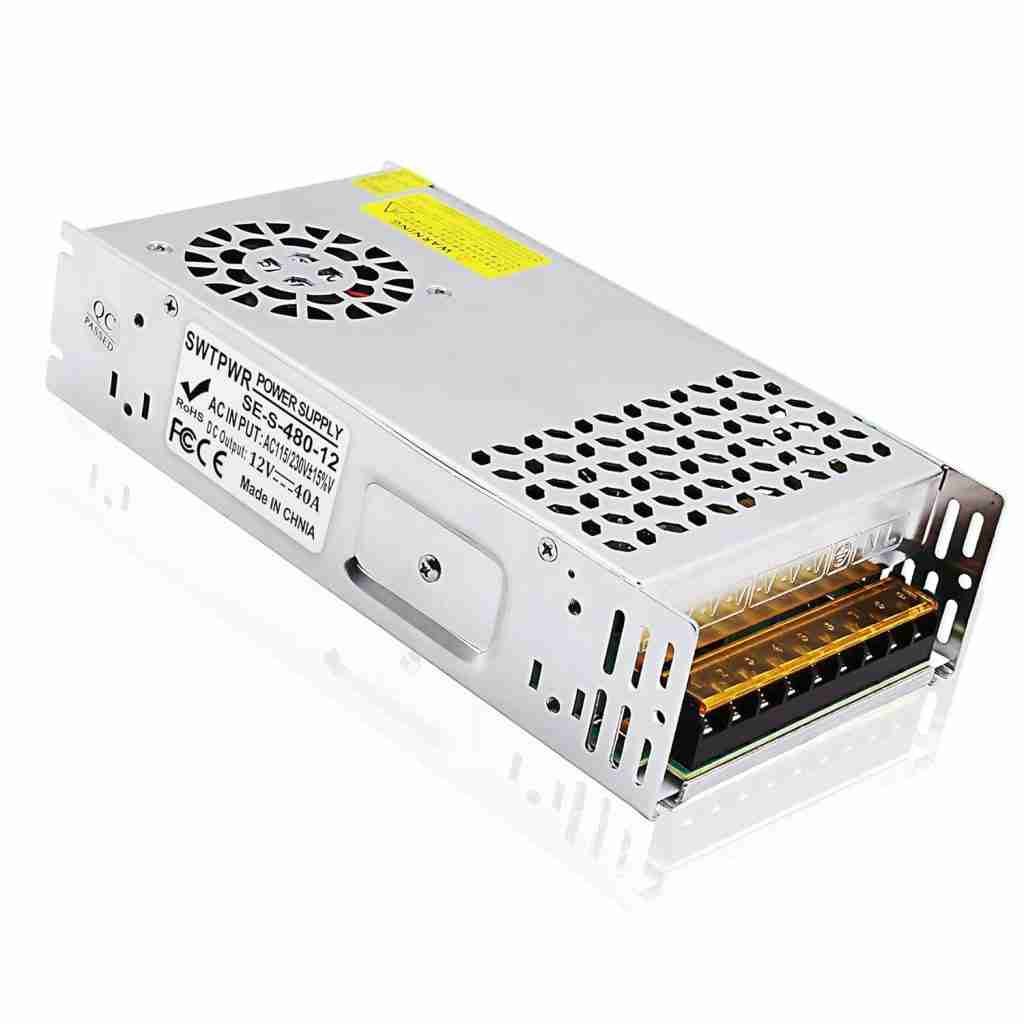
12V Power Supply 12V 40A 480W 50A 600W AC to DC Converter 110V/120V to 12V Transformer LED Driver Smart Cooling Fan Designed for LED Strip CCTV and Car Devices
Price range: 13.90$ through 14.90$
12V Power Supply 12V 50A 600W AC to DC Converter 110V/120V to 12V Transformer LED Driver Smart Cooling Fan Designed for LED Strip CCTV and Car Devices (DC12V, 12V-50A-600W)
Price range: 23.90$ through 29.90$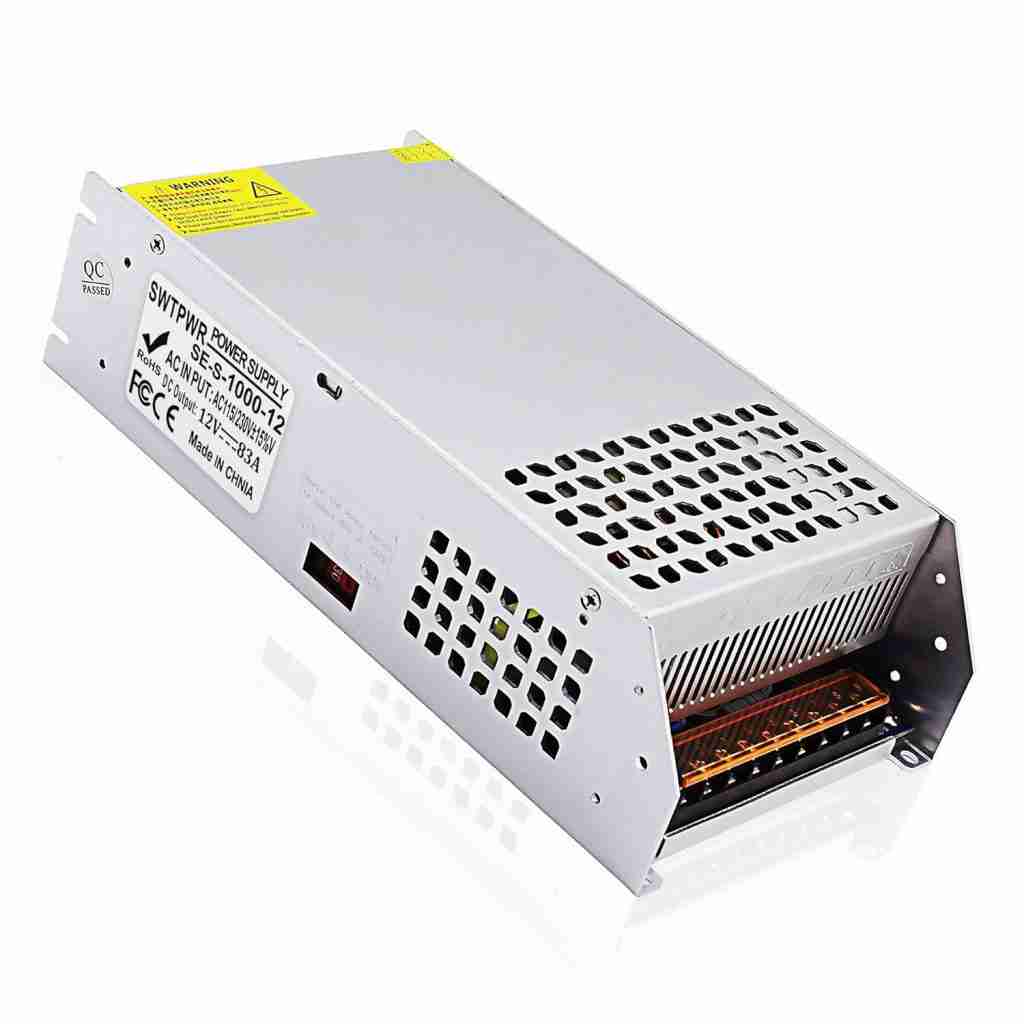
12V Power Supply 12V 83A 1000W AC to DC Converter 110V/120V to 12V Transformer LED Driver Smart Cooling Fan Designed for LED Strip CCTV and Car Devices
Price range: 29.90$ through 54.90$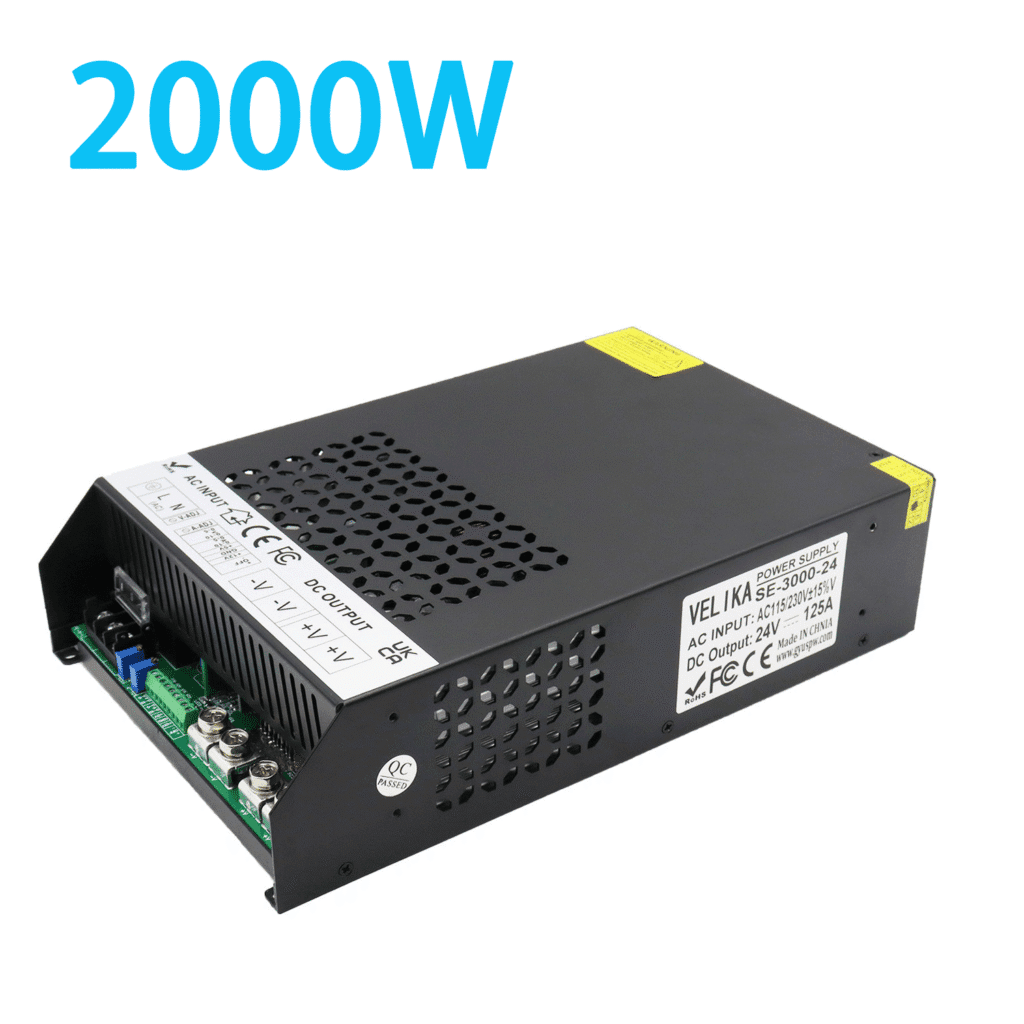
2000 Series 2000W High Power AC‑DC Switching Power Supply | AC185‑265V Input, Multiple DC Output 12V 24V 36V 48V 60V 72V 80‑120V & Custom Voltage For Industrial Equipment
Price range: 64.80$ through 69.80$
Battery Problem or Charger Problem?
Too many owners replace the charger when the batteries are the true problem, and too many others buy new batteries when the charger has already failed. The smartest approach is to separate the symptoms.
Signs the batteries may be the real issue
If the cart has old batteries, uneven battery voltages, bulging cases, or water levels that have been ignored, the charger may be working exactly as designed while the batteries refuse to hold a proper charge. In that case, the charger is not the villain.
Signs the charger is more likely the issue
If the batteries were previously performing well, the charger has suddenly stopped charging, the cart has a clean receptacle and cable setup, and the same charger fails on more than one battery pack, the charger becomes the prime suspect.
We recommend checking both sides of the system. A charger cannot revive a damaged battery pack, and a good battery bank cannot charge itself.
How to Test an E-Z-GO Charger
Before replacing anything, test the charger in a logical order. If you are figuring out How to tell if E-Z-GO charger is bad, this sequence is the most useful one.
Step 1: Confirm AC power
Start with the wall outlet. Plug in a device you know works. If the outlet is dead, the charger is innocent. Check the breaker, GFCI, and extension cord if one is being used. We recommend avoiding cheap, long, undersized extension cords because they can create voltage drop and confuse the diagnosis.
Step 2: Inspect the charger cord and plug
Look for melted plastic, bent pins, frayed wire, loose strain relief, or signs of heat at the connector. A bad cord can mimic a bad charger. In many cases, the problem is not the charger body at all; it is the cable or receptacle connection.
Step 3: Check the cart receptacle
The receptacle on the cart can corrode, loosen, or overheat. A charger may appear dead because it cannot make a reliable connection with the cart. If the plug fits loosely or feels abnormally hot after charging attempts, inspect the receptacle carefully.
Step 4: Listen and watch
Many E-Z-GO chargers give a relay click, fan sound, or light indication when they begin charging. No sign of life is a problem. Unusual clicking, repeated reset behavior, or a charger that starts and quits can indicate internal failure or a battery pack that is outside the charger’s expected range.
Step 5: Measure battery pack voltage
Use a multimeter to measure the total pack voltage before and after charging. If the charger appears to run but the pack voltage does not rise in a meaningful way, the charger may be weak or defective. This is one of the most reliable ways to move from guesswork to evidence.
If you are also maintaining other battery-powered equipment, the same diagnostic thinking applies. Our readers often cross-check related guides such as best golf cart battery chargers 48V, best lithium ion battery charger 48V, and best LiFePO4 battery chargers 2025 when they need to compare charger behavior across different battery types.
Voltage Readings That Matter
Voltage testing is where the answer becomes clearer. You do not need to become an electrician, but you do need a simple reference point. An E-Z-GO charger that is healthy should produce a charging response that matches the battery system it was built for.
| Battery System | Typical Pack Voltage | What a Healthy Charger Should Do | Red Flag |
|---|---|---|---|
| 36V lead-acid | About 36V nominal | Raise pack voltage during charge and taper near full | No measurable increase after charging starts |
| 48V lead-acid | About 48V nominal | Increase pack voltage steadily during charging | Voltage stays flat or charger shuts off immediately |
| 48V lithium | Depends on battery BMS and chemistry | Follow the correct lithium charging profile | Wrong charger type or mismatch with chemistry |
The exact numbers vary by battery condition and chemistry, but the direction should be obvious: voltage should move upward during charge. If it does not, or if the charger stops far too early, the charger may be defective. We recommend comparing results with the battery manufacturer’s specifications, especially when dealing with lithium packs.
For readers using other personal mobility or ride-on systems, our related guides on best mobility scooter battery chargers and best portable scooter battery chargers can help reinforce the same logic: match the charger to the battery, and never assume every charger works on every battery.
What Usually Causes Charger Failure
Chargers do not fail for no reason. In most cases, the cause is predictable.
Heat and age
Charging electronics run hot over time. Dust buildup, poor ventilation, and repeated heat cycles wear down components. Older chargers often begin failing intermittently before they fail completely.
Loose plugs and poor connections
A poor connection can create arcing, heat, and intermittent charging. That heat damages both the receptacle and the charger plug. From our experience, connection problems are one of the fastest ways to shorten charger life.
Incorrect battery chemistry
A charger designed for lead-acid batteries should not be forced to work as a lithium charger, and vice versa. Using the wrong charger type may create undercharging, overcharging, or protection shutdowns. This is especially important when carts have been converted from one chemistry to another.
Power surges or electrical instability
Dirty power, surges, and unstable outlets can damage sensitive charger electronics. If a charger failed right after a lightning event or a power problem, that is a strong clue.
Repair or Replace the Charger?
Here is the honest answer: in many real-world cases, replacement is the smarter business decision. If the charger has a simple cord issue, a blown fuse, or a failed plug, repair may be worthwhile. If the internal board is failing, the transformer is damaged, or the unit overheats, replacement is usually the better choice.
We recommend replacement when:
- The charger is old and has already shown multiple failure symptoms.
- Repairs approach the price of a new unit.
- The charger no longer matches the battery chemistry or voltage.
- The unit has visible heat damage, corrosion, or repeated intermittent behavior.
If you are already comparing options, our buyer-focused guides like best 48V eBike battery chargers and best portable scooter battery chargers can help you think through charger durability, output matching, and portability in a practical way.
Choosing the Right Replacement Charger
If you decide the charger is bad, do not replace it with a random unit that only looks similar. The right replacement should match the battery bank, connector type, and chemistry. That sounds obvious, but it is exactly where many cart owners make expensive mistakes.
What to match before buying
- Battery voltage: 36V, 48V, or another system rating
- Battery chemistry: lead-acid or lithium
- Plug style: the charger must physically fit the cart receptacle
- Charge profile: the charger must be designed for the battery type
- Charging current: enough to charge efficiently without overstressing the pack
OHRIJA’s product line fits naturally into this conversation because the company focuses on lithium battery chargers, lithium iron phosphate battery chargers, lead-acid battery chargers, golf cart chargers, power adapters, and switching power supplies. For customers who want dependable charging hardware rather than trial-and-error replacements, that product focus matters.
In practical terms, a replacement charger should do one job well: charge the battery safely and consistently. We recommend choosing equipment that is built for the correct chemistry and rated clearly for the system you own, instead of trying to force a near-match to work.
How to Prevent Repeat Charger Problems
Once you solve the immediate problem, protect the new charger. A good charger should last longer than a careless installation.
Keep the connector clean and dry
Moisture, dirt, and corrosion destroy charging reliability. Clean the plug and receptacle routinely, and keep the cart stored where the charging port stays protected.
Use the correct outlet
Plug the charger into a stable outlet that can deliver proper power without heavy loading from other devices. Avoid sketchy extension cords unless they are necessary and properly rated.
Do not let batteries sit abused
If a cart sits for long periods without proper charging maintenance, the batteries age faster and the charger appears to “fail” when the actual problem began weeks earlier. Battery care and charger care always go together.
Inspect the charging system regularly
Look at the cord, receptacle, plug, and battery terminals every so often. A five-minute inspection prevents a five-hundred-dollar headache later.
From our experience:
Most charger complaints are not mysterious. They are usually a chain of small issues: weak outlet, corroded receptacle, tired batteries, and then a charger that gets blamed for the whole mess. The best way to avoid that trap is to test each part in order.
Frequently Asked Questions
How do I know if my E-Z-GO charger is bad or just not connected properly?
Check AC power first, then inspect the cord, plug, and cart receptacle. If the outlet is good and the charger still shows no signs of life, the charger becomes much more suspect.
Can a bad battery make it look like the charger is bad?
Yes. A weak or damaged battery pack can prevent the charger from completing a proper cycle. That is why we recommend testing the batteries and the charger separately before buying anything.
Why does my E-Z-GO charger turn on and then shut off quickly?
That often points to a connection problem, a pack-voltage issue, or charger protection behavior. It may also mean the charger is struggling internally.
Is it safe to keep using a charger that gets very hot?
No. Excessive heat is a warning sign. Stop using the charger, inspect it, and replace it if the heat is unusual or if you see damage.
Should I repair or replace an old E-Z-GO charger?
If the issue is minor, repair can make sense. If the charger is old, overheats, or no longer matches your battery chemistry, replacement is usually the better decision.
Does this same troubleshooting method help with other chargers?
Yes. The same diagnostic logic works for many battery chargers, including other golf cart systems and mobility equipment. The principle is always the same: verify power, verify connection, verify output, then decide.
References
These references are useful for cross-checking charger basics, battery charging behavior, and golf cart owner guidance. We included only two niche-relevant references here, as requested.
- E-Z-GO Official Site Use the manufacturer’s information to verify cart model, battery system, and charger compatibility details.
- Battery University: Charging Lead-Acid Batteries Helpful for understanding charge behavior, tapering, and the basics of lead-acid battery charging.
When you step back from the frustration, How to tell if E-Z-GO charger is bad becomes much easier to answer. Look for symptoms, test power and voltage, separate battery issues from charger issues, and replace the charger only when the evidence supports it. That is the practical route, and it saves both time and money.
For cart owners who want a smarter charging setup from the start, we recommend choosing a charger that matches the battery chemistry and the application, not just the label on the box. That approach is simple, reliable, and far less expensive in the long run.