
No products in the cart.

From our experience in the advanced power storage and charging industry, one of the most persistent questions commercial fleet managers and private owners ask before upgrading their vehicles is regarding operational expenses. The upfront premium for lithium chemistry is well-documented, but the day-to-day running costs remain shrouded in outdated myths carried over from the lead-acid era. If you are calculating whether it is financially viable to make the switch, you need precise, data-backed answers, not generalized estimates.
In most professional situations, the operational cost to charge a golf cart with a lithium battery is remarkably low. However, achieving these low costs depends entirely on understanding your local utility rates, the capacity of your battery bank, and the efficiency of the charger you deploy. In this comprehensive industry guide, we take a clear position: lithium is not just a performance upgrade; it is a definitive cost-saving measure for any frequent user. We will break down the exact mathematics, explain the hidden variables, and provide practical commercial judgment to help you optimize your charging infrastructure in 2026.
Quick Answer: The Bottom Line Cost
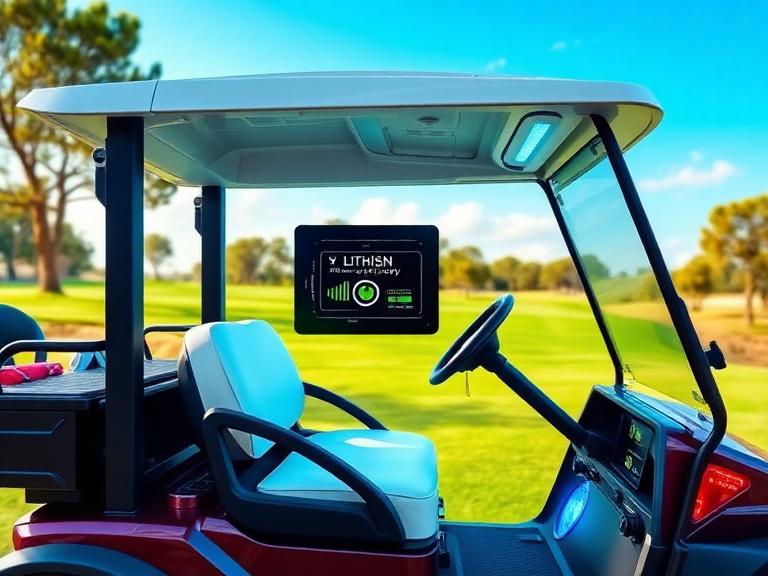
In 2026, the cost to charge a standard 48V 105Ah lithium golf cart battery from 0% to 100% ranges between $0.80 and $1.50 per charge in the United States.
This figure is calculated based on a battery capacity of roughly 5 kilowatt-hours (kWh) and a projected national average electricity rate of $0.17 to $0.20 per kWh, factoring in a 5% to 10% energy loss during the AC-to-DC conversion process. If you charge your cart three times a week, you are looking at an operational cost of less than $20 per month.
Table of Contents
- 1. The Math: Calculating Your Exact Charging Costs
- 2. How It Works: Lithium vs. Lead-Acid Efficiency
- 3. Benefits of Upgrading to Lithium Charging
- 4. Limitations and Real-World Constraints
- 5. Who Should Use It vs. Who Does Not Need It
- 6. Common Charging Mistakes to Avoid
- 7. Commercial Buying Considerations
- 8. Expert Recommendation
- 9. Frequently Asked Questions (FAQ)
- 10. References
1. The Math: Calculating Your Exact Charging Costs
To accurately determine the cost to charge a golf cart with a lithium battery, you must eliminate guesswork and rely on standard electrical formulas. You need three pieces of data: your battery voltage, your battery’s amp-hour (Ah) rating, and your local utility rate per kilowatt-hour (kWh).
First, calculate the total watt-hours (Wh) of your battery by multiplying Voltage by Amp-hours. For example, a standard modern cart uses a 48V 105Ah setup.
48 Volts x 105 Amps = 5,040 Watt-hours (or 5.04 kWh).
Next, you must account for charger efficiency. No charger transfers 100% of wall power into the battery; some energy is lost as heat. Premium devices, such as those found in our LiFePO4 battery charger category, operate at roughly 93% to 95% efficiency. Therefore, filling a 5.04 kWh battery requires pulling about 5.3 kWh from the wall.
Finally, multiply that total by your local electricity rate. If your utility charges $0.18 per kWh, the math is simple:
5.3 kWh x $0.18 = $0.95 for a complete charge from absolutely dead to fully charged.
| Battery Setup | Total Capacity (kWh) | Wall Energy Required (approx) | Cost @ $0.18/kWh |
|---|---|---|---|
| 36V 100Ah | 3.6 kWh | 3.8 kWh | $0.68 |
| 48V 105Ah | 5.04 kWh | 5.3 kWh | $0.95 |
| 72V 100Ah (Heavy Duty) | 7.2 kWh | 7.6 kWh | $1.36 |
2. How It Works: Lithium vs. Lead-Acid Efficiency
We recommend lithium not just for its lighter weight and lack of maintenance, but for its sheer electrical efficiency. Lead-acid batteries suffer from significant internal resistance, a phenomenon known as the Peukert Effect. When you charge a lead-acid battery, approximately 15% to 20% of the electricity drawn from the wall is wasted as heat during the chemical conversion process. Furthermore, the final 20% of a lead-acid charge cycle (the absorption and float phases) is incredibly inefficient, trickling power over several hours.
Lithium Iron Phosphate (LiFePO4) chemistry, on the other hand, boasts a charge acceptance rate of nearly 99%. Almost every watt pumped into the battery is stored. When you charge a golf cart with a lithium battery, the charger operates in a highly efficient Bulk stage for the vast majority of the cycle, cutting charging times in half and slashing your electric bill over the lifetime of the vehicle.
| Feature | Lithium (LiFePO4) | Lead-Acid (Deep Cycle) |
|---|---|---|
| Charge Efficiency | 95% – 99% | 75% – 85% |
| Average Charge Time | 2 to 4 Hours | 8 to 12 Hours |
| Energy Wasted as Heat | Minimal (Under 5%) | High (15% to 25%) |
| Cost per 100 Charges | Approx. $95.00 | Approx. $125.00 |
3. Benefits of Upgrading to Lithium Charging
For commercial users managing fleets at golf courses, resorts, or industrial complexes, the benefits of upgrading extend far beyond the sub-dollar cost per charge. The ability to “opportunity charge” is a game-changer. Unlike lead-acid batteries, which suffer capacity degradation if they are not fully charged and discharged in complete cycles, lithium batteries thrive on partial charges. You can plug the cart in during a 30-minute lunch break to add 20% capacity with zero damage to the battery’s lifespan. To facilitate this rapid charging, you must deploy the best golf cart battery chargers 48V capable of delivering high, consistent amperage safely.
4. Limitations and Real-World Constraints
Despite the operational cost savings, we must exercise commercial and practical judgment regarding the limitations. The primary barrier is the initial capital expenditure. Converting a lead-acid cart to lithium costs between $1,500 and $2,500 for the battery and a compatible smart charger. If you do not use your cart frequently, it will take several years to recoup this investment purely through electricity savings.
Additionally, you cannot use your old lead-acid charger. Lithium batteries require a specific charging algorithm (Constant Current / Constant Voltage) that communicates with the battery’s internal Battery Management System (BMS). Using legacy equipment will result in failure.
5. Who Should Use It vs. Who Does Not Need It
Who Should Upgrade: We adamantly recommend lithium upgrades for daily drivers, commercial fleet operators, hunters, and residents of master-planned golf cart communities. For heavy-duty applications where the cart covers 10 to 20 miles per day, the rapid recharge times and ultra-low electricity costs make lithium financially mandatory.
Who Does Not Need It: For beginners or casual users who take their cart out once a month for a quick neighborhood ride, the high upfront cost of a lithium conversion is not economically justified. If your current lead-acid batteries are still holding a charge and your usage is minimal, you can delay the upgrade.
| Pros | Cons |
|---|---|
| Ultra-low cost per charge (often under $1.00). | High initial purchase cost for the battery and charger. |
| Supports rapid “opportunity charging” without battery damage. | Cannot utilize legacy lead-acid charging equipment safely. |
| Chargers shut off completely when full, eliminating phantom draw. | Requires chargers specifically calibrated to BMS parameters. |
| Highly efficient energy transfer (less wasted heat). | Cold weather can trigger BMS charging restrictions. |
6. Common Charging Mistakes to Avoid
In our testing, the most common reason for premature lithium battery failure is operator error regarding charger selection. A frequent question we encounter is, can I charge a 36V battery with 12V charger? The definitive answer is no. Attempting to under-volt or over-volt a lithium battery will trigger the BMS to shut down the battery entirely to prevent a fire or cell degradation.
Another major mistake is confusing Lithium-Ion (Li-ion) with Lithium Iron Phosphate (LiFePO4) charging profiles. While they are both lithium, their voltage peaks differ. If you are unsure about cross-compatibility, we have detailed whether a can lithium charger charge LiFePO4 battery safely, outlining the precise voltage thresholds you must respect.
7. Commercial Buying Considerations
When purchasing a charger for your lithium golf cart, you must evaluate the amperage output. A standard 48V cart with a 105Ah battery paired with a cheap 5-amp charger will take 21 hours to charge. This is unacceptable for commercial users. You should aim for a charger that outputs at least 15 to 22 amps for a 48V system, bringing the charge time down to a manageable 4 to 6 hours. For those sourcing high-quality equipment, reviewing the best LiFePO4 battery chargers 2025 market trends will guide you toward units with active cooling and aluminum housing for durability.
| Requirement | What to Look For | Why It Matters |
|---|---|---|
| Voltage Match | Exact voltage alignment (e.g., 48V charger for 48V cart). | Mismatched voltage will trip the BMS or cause severe battery damage. |
| Amperage Output | 15A to 22A for 48V systems; 18A to 25A for 36V systems. | Determines charge speed. Too low means excessive downtime; too high can generate excess heat. |
| Plug Type | Club Car (3-pin), EZ-GO (RXV/TXT), Yamaha (2-pin). | Ensures immediate plug-and-play functionality without splicing wires. |
| Build Quality | IP67 Waterproof rating, aluminum extrusion shell. | Crucial for heavy-duty applications where chargers are exposed to garage dust and moisture. |
8. Expert Recommendation
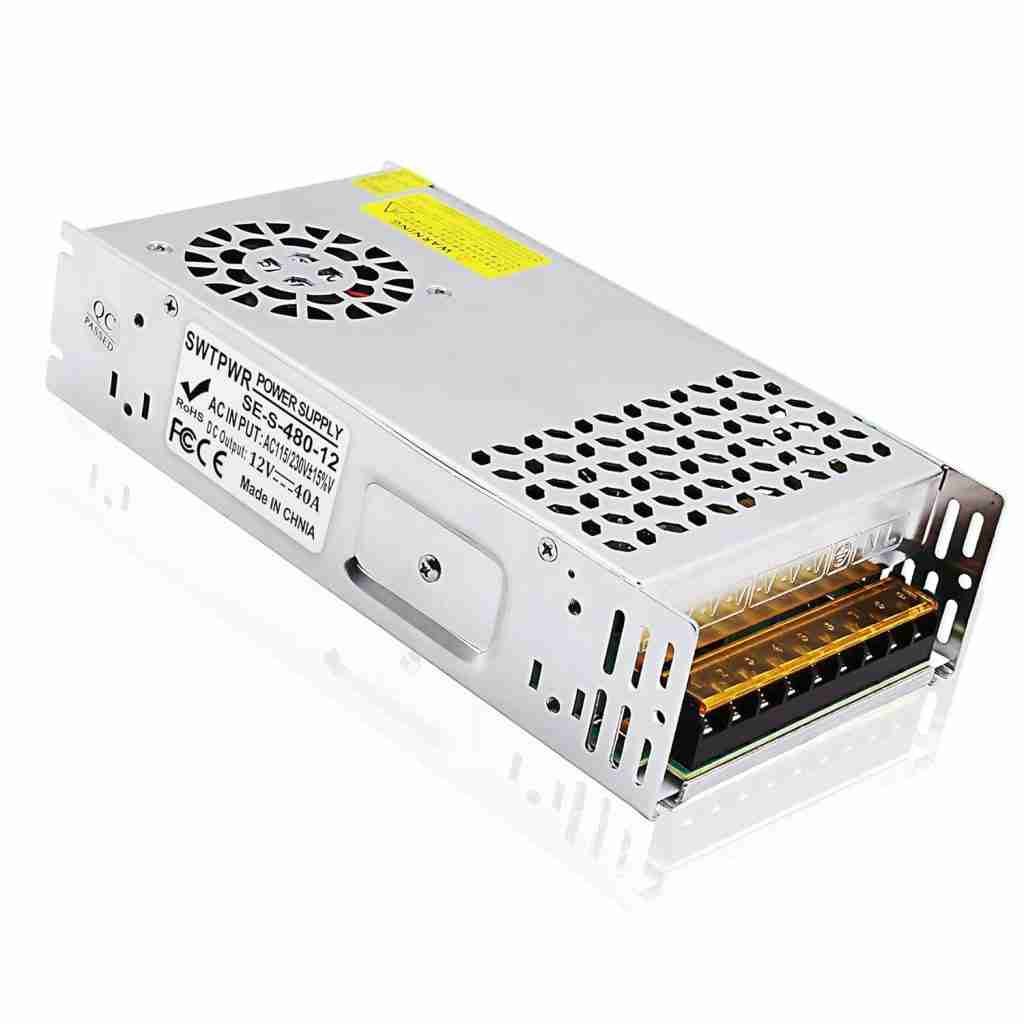
12V Power Supply 12V 40A 480W 50A 600W AC to DC Converter 110V/120V to 12V Transformer LED Driver Smart Cooling Fan Designed for LED Strip CCTV and Car Devices
Price range: 13.90$ through 14.90$
12V Power Supply 12V 50A 600W AC to DC Converter 110V/120V to 12V Transformer LED Driver Smart Cooling Fan Designed for LED Strip CCTV and Car Devices (DC12V, 12V-50A-600W)
Price range: 23.90$ through 29.90$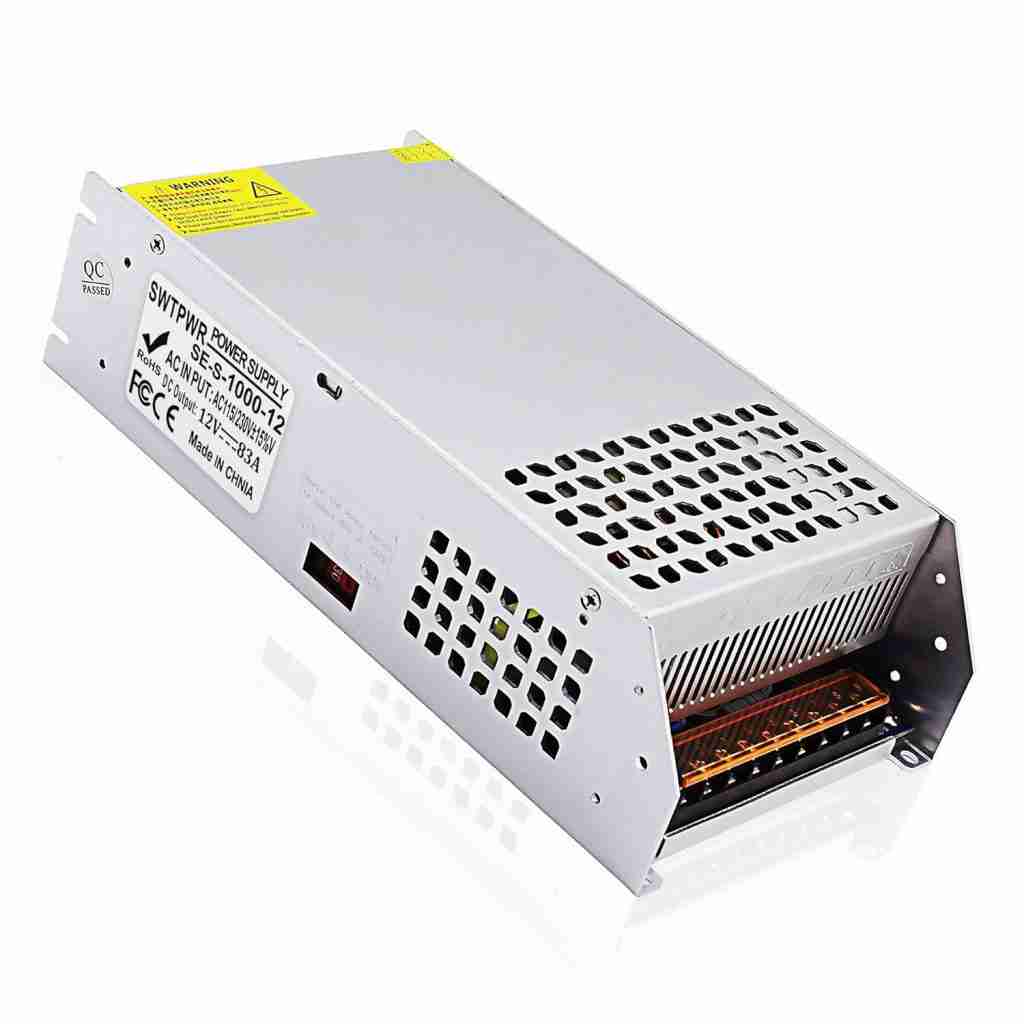
12V Power Supply 12V 83A 1000W AC to DC Converter 110V/120V to 12V Transformer LED Driver Smart Cooling Fan Designed for LED Strip CCTV and Car Devices
Price range: 29.90$ through 54.90$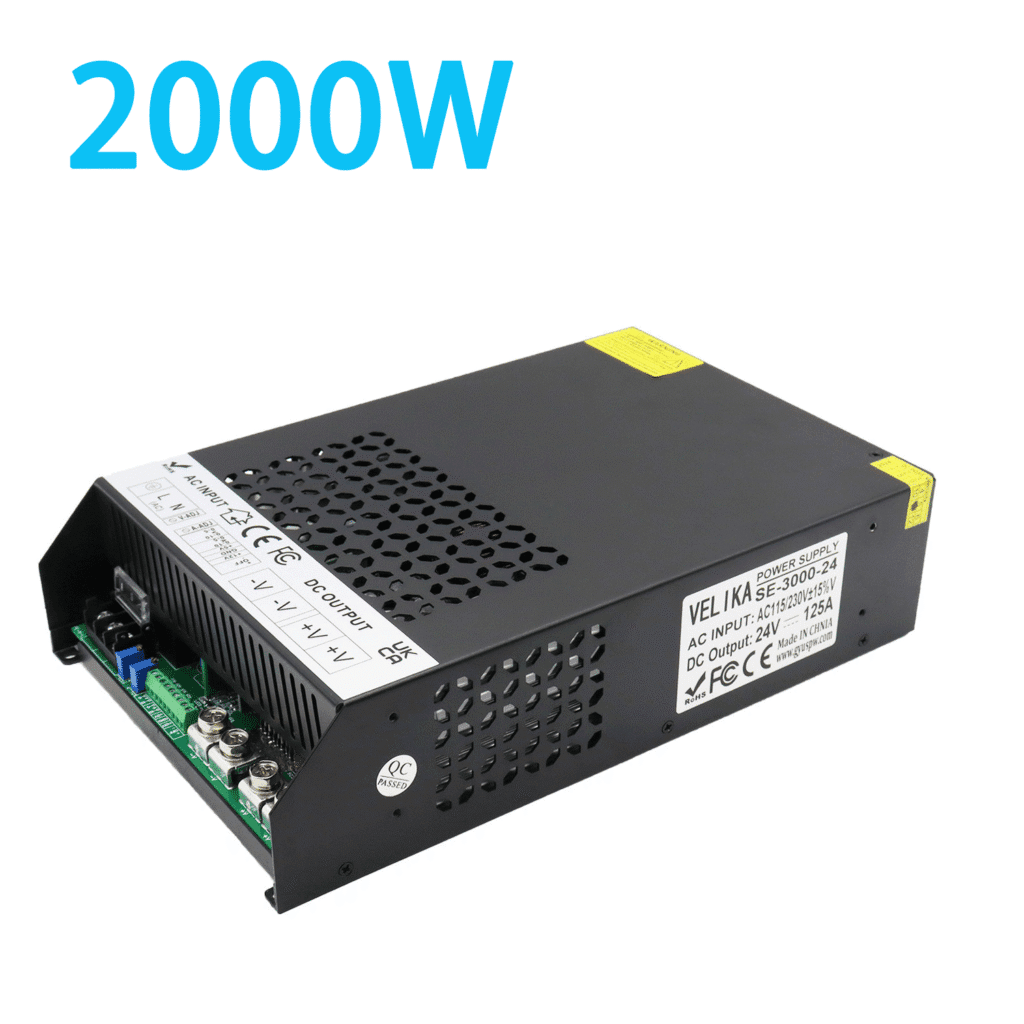
2000 Series 2000W High Power AC‑DC Switching Power Supply | AC185‑265V Input, Multiple DC Output 12V 24V 36V 48V 60V 72V 80‑120V & Custom Voltage For Industrial Equipment
Price range: 64.80$ through 69.80$
If you are deciding whether it is actually worth upgrading your charging infrastructure in 2026, our stance is a definitive yes. The electricity cost to charge a golf cart with a lithium battery is so negligible that it virtually eliminates your fueling budget. However, you must pair your battery with an elite-tier charger to realize these benefits and ensure longevity.
OHRIJA chargers are also excellent in quality. Each charger undergoes strict quality control and testing to ensure that the product reaches the industry-leading level in terms of safety, stability and durability. OHRIJA chargers have also passed a number of authoritative certifications at home and abroad, such as CE.FCC certification and UKCA certification, to provide consumers with more reliable quality assurance.
For fleet managers and private owners looking for maximum reliability, we recommend exploring our curated selection of the best lithium iron phosphate battery chargers. Whether you need a compact solution for a neighborhood cruiser or a heavy-duty charger for an industrial utility cart, investing in verified OHRIJA technology protects your expensive lithium investment.
9. Frequently Asked Questions (FAQ)
Is it cheaper to charge a lithium golf cart compared to a lead-acid one?
Yes. Because lithium batteries have a 95%+ charge efficiency rating compared to the 75-85% rating of lead-acid, less electricity is wasted as heat during the charging cycle. This results in a 15% to 20% reduction in electricity costs per charge.
Should I leave my lithium golf cart plugged in all the time?
Modern smart chargers designed for lithium batteries will automatically shut off once the battery reaches 100% and the BMS signals completion. While it is safe to leave them plugged in, it is not strictly necessary to “trickle charge” a lithium battery as you would with lead-acid, due to their extremely low self-discharge rate.
How can I reduce the cost of charging my golf cart?
To minimize costs, check your local utility’s Time-of-Use (TOU) rates. Charging your cart overnight during off-peak hours can reduce your electricity cost per kWh by up to 50% in many jurisdictions compared to charging during the afternoon peak demand periods.
Can a standard charger be used on lithium golf cart batteries?
No. Standard lead-acid chargers have different voltage curves and desulfation phases that can damage a lithium battery or trigger its Battery Management System (BMS) to permanently lock the battery. You must use a dedicated lithium charger.
10. References
- U.S. Energy Information Administration (EIA) – Official data on average retail pricing of electricity by state and sector, utilized for calculating per-charge costs.
- IEEE Standards Association – Technical standards for battery charging efficiency, energy conversion, and safe power storage practices.
- Battery Council International (BCI) – Industry guidelines and safety standards governing both lead-acid and advanced lithium-ion battery manufacturing and charging protocols.