
No products in the cart.

Managing an industrial fleet of golf carts, scissor lifts, or heavy-duty utility vehicles requires absolute reliability from your power infrastructure. When a vehicle fails to charge overnight, operational downtime immediately eats into your profit margins. If you are staring at a blinking LED interface on your equipment, understanding exactly what the lights mean on a Quiq charger is the first, critical step in commercial troubleshooting.
At OHRIJA, a high-tech enterprise established in 2020 specializing in advanced power adapters and switching power supplies, we analyze legacy charging infrastructure daily. While the Delta-Q Quiq charger has been an industry workhorse for over a decade, its cryptic light codes often lead maintenance crews to prematurely discard perfectly good batteries or waste hours on misdiagnosed electrical faults. We are here to eliminate the guesswork. From our experience, the majority of charging failures are not fatal internal hardware faults, but rather environmental or battery-level issues that the charger is trying to communicate.
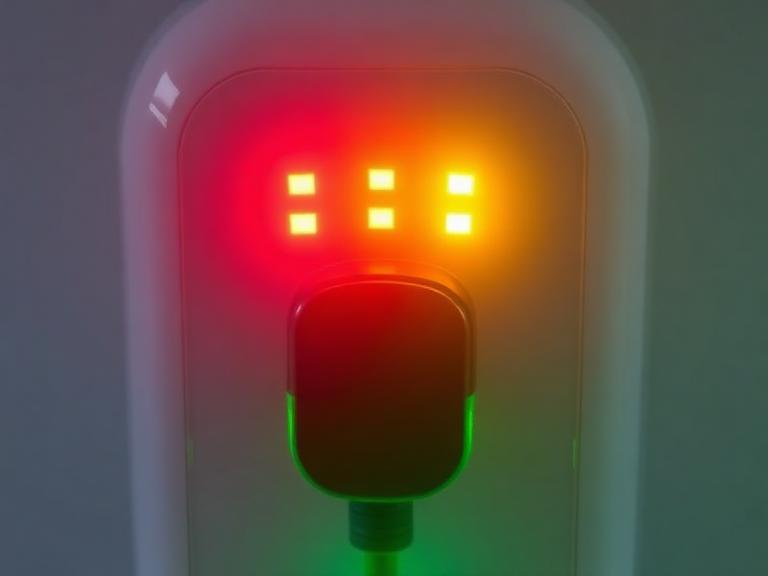
In this comprehensive, opinionated guide, we will break down exactly what every flash code means, how the charger’s diagnostic interface works, and whether it is actually worth repairing your aging equipment or upgrading to a modern smart charger.
Quick Answer: What Do the Lights Mean on a Quiq Charger?
To immediately diagnose your equipment, observe the specific color and flashing pattern of the LED indicator:
- Short Flashing Green: Bulk charging phase is actively in progress. (Normal operation).
- Long Flashing Green: Absorption/Finishing phase. The battery is above 80% capacity. (Normal operation).
- Solid Green: The charge cycle is 100% complete. (Normal operation).
- Flashing Yellow/Amber: The charger is waiting for AC power stabilization, or the internal temperature is currently out of operational range.
- Flashing Red (1 to 6 Flashes): A specific fault code has been triggered. (Count the flashes to determine the exact error).
If you experience a continuous 6-flash red code, the charger has suffered a fatal internal hardware failure and must be replaced.
Table of Contents
- What It Is and How It Works
- Decoding the Red Fault Light Codes
- Benefits and Limitations of Legacy Chargers
- Who Should Use It & Who Does Not Need It
- Common Mistakes in Troubleshooting
- Buying Considerations: Repair vs. Replace
- Expert Recommendation from OHRIJA
- Data and Comparison Tables
- Frequently Asked Questions
What It Is and How It Works
The Delta-Q Quiq charger is a high-frequency, sealed battery charger designed primarily for deep-cycle lead-acid applications. It operates by utilizing pre-programmed algorithms to execute a multi-stage charging profile. How it works is deeply tied to its onboard microprocessor. Instead of simply dumping raw voltage into a battery bank until it boils, the charger monitors voltage resistance and temperature, adjusting its output current dynamically.
When you plug the charger into an AC receptacle, the microprocessor runs a diagnostic self-test. If the parameters are met, it initiates the “Bulk Charge” phase, pushing maximum amperage to the battery bank (indicated by short green flashes). Once the battery reaches a specific voltage threshold, it transitions to the “Absorption Phase” (long green flashes), where voltage is held steady while amperage slowly tapers off. Understanding what the lights mean on a Quiq charger during these normal operational phases prevents operators from unplugging vehicles prematurely.
Decoding the Red Fault Light Codes
In most professional situations, the green and amber lights are self-explanatory. It is the red flashing codes that require commercial and practical judgment to resolve. The Quiq charger communicates specific errors by flashing the red LED a set number of times, pausing, and repeating the sequence.
1 Flash: High Battery Voltage
This occurs if the charger detects a voltage higher than the selected algorithm allows. This is incredibly common if a technician attempts to use a 48V charger on a 72V battery bank, or if the batteries have been incorrectly wired in series. We recommend immediately verifying the pack voltage with a digital multimeter.
2 Flashes: Low Battery Voltage
This is the most frequent service call in the fleet management industry. If a golf cart or scissor lift is driven until the batteries are completely dead, the voltage will drop below the charger’s minimum detection threshold. The charger assumes no battery is connected to protect against short circuits. You will need to manually “jump” the battery pack with a secondary DC source to raise the voltage enough for the charger to recognize it.
3 Flashes: Charge Timeout
The charger has run for its maximum allowable time (usually 14-16 hours) but the battery bank has not reached the target voltage. This almost always indicates a dying battery pack with a shorted internal cell, or a scenario where a heavy load was left running on the vehicle during the charge cycle.
4 Flashes: Battery Temperature Out of Range
The external temperature sensor on the battery terminal is reading extreme heat or extreme cold. Allow the batteries to acclimate to a moderate temperature. If the temperature is normal but the code persists, the sensor itself has failed and requires replacement.
5 Flashes: AC Voltage Fault
The AC input from your wall outlet is fluctuating outside safe operational parameters. Do not blame the charger. In our testing, this is usually caused by running the charger on a cheap, unrated extension cord that causes massive voltage drop. Plug the charger directly into a dedicated wall receptacle.
6 Flashes: Internal Charger Fault
This is the death knell for the equipment. The microprocessor has detected a fatal internal hardware failure (blown capacitors, failed transformers, or corrupted memory). The charger cannot be safely repaired in the field and must be replaced.
Benefits and Limitations of Legacy Chargers
If you are managing a fleet, you must understand the limitations of the technology you are operating.
The primary benefit of the Quiq charger is its ruggedized, sealed aluminum extrusion. It boasts an IP66 rating, meaning it can withstand heavy dust and direct water spray, which is why it became the industry standard for outdoor heavy-duty applications. Furthermore, it holds up to 10 different charging profiles onboard.
However, the limitations are glaring in 2026. These legacy chargers were engineered during the peak of the lead-acid era. They lack the dynamic communication protocols required by modern Lithium-Ion and LiFePO4 Battery Management Systems (BMS). Reprogramming them in the field requires proprietary software and hardware dongles that are frustratingly expensive for end-users.
Who Should Use It & Who Does Not Need It
For commercial users: If you are managing a massive legacy fleet of flooded lead-acid golf carts or industrial floor scrubbers, keeping your existing Quiq chargers operational is a sound financial decision. Learn the fault codes, maintain your battery water levels, and replace the temperature sensors as they age.
Who does not need it: If you are upgrading your fleet to modern lithium chemistry, or if you operate electric bicycles and scooters, you absolutely do not need to struggle with legacy lead-acid chargers. In fact, using them can destroy your new batteries. You should immediately pivot to a dedicated Li-ion battery charger category supplier. Modern applications require precise constant-current/constant-voltage (CC/CV) curves without the aggressive equalization phases that legacy chargers use.
Common Mistakes in Troubleshooting
From our experience, the most expensive mistake fleet managers make is replacing a charger that is flashing a 2-red code. As stated above, a 2-flash code means the batteries are too dead to register, not that the charger is broken. Throwing a brand-new $400 charger at a dead battery pack will result in the exact same 2-flash code.
Another severe mistake is ignoring the underlying cause of a 3-flash timeout error. If a charger times out, operators often just unplug it and plug it back in to force another cycle. Doing this to a battery pack with a shorted cell will boil the sulfuric acid, creating a massive off-gassing hazard and potentially causing a thermal event.
Buying Considerations: Repair vs. Replace
When you encounter a continuous 6-flash red code, you must make a buying decision. Should you attempt to send the unit out for a specialized board repair, or should you upgrade?
We advocate for a clean upgrade. The labor cost to tear down a potted, sealed industrial charger, combined with return shipping, often eclipses 60% of the cost of a brand-new, vastly superior unit. Furthermore, a repaired legacy charger still leaves you with outdated technology.
If you are operating heavy machinery, consider whether your AC infrastructure is failing. Sometimes, upgrading your overarching power delivery is necessary. You may need to integrate a robust AC to DC power supply 24V 15A to stabilize the power going into your sensitive equipment before it reaches the charger.
For modern micro-mobility fleets, you should seek out specialized hardware. A electric bicycle charger supplier like OHRIJA provides tailored solutions that communicate flawlessly with modern BMS boards. For instance, if you operate a 48V fleet, a 48V 10A eBike charger offers significantly better efficiency and safety metrics than attempting to force a golf cart charger to do the job.
Expert Recommendation from OHRIJA

OHRIJ Club Car 48V Golf Cart Charger 48V 10A makes it suitable for 55.2V Lead Acid batteries
41.50$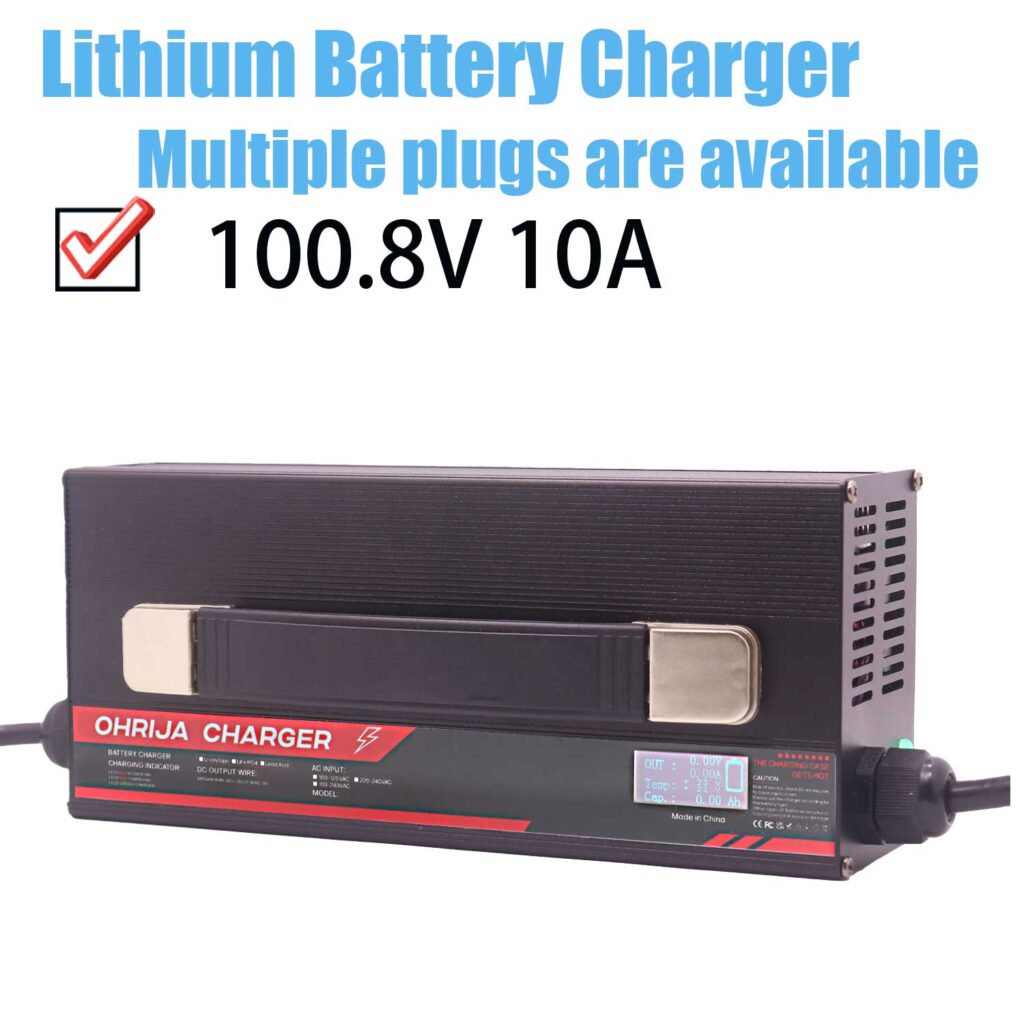
OHRIJA 100.8v lithium ion battery charger 100.8V 10A charger makes it suitable for 24S 88.8V Li-ion Battery Chargers
49.90$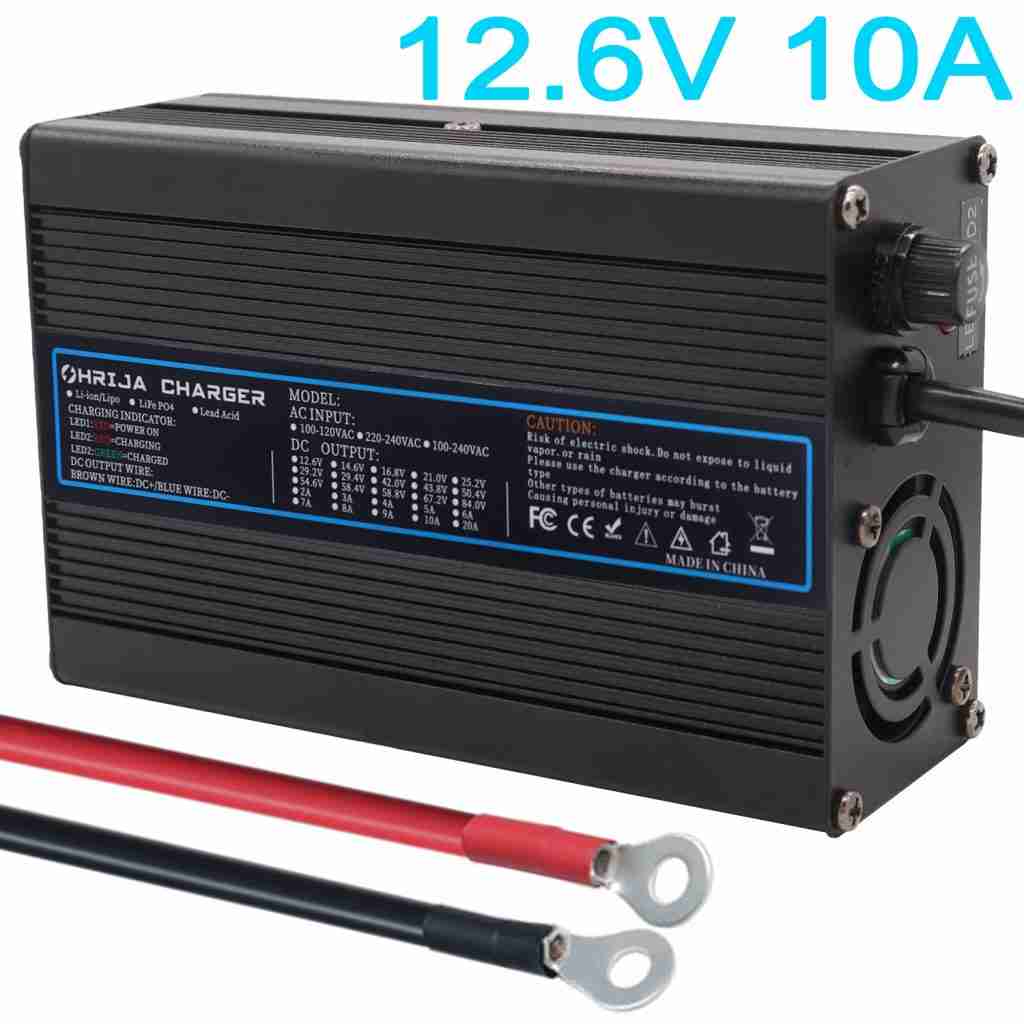
OHRIJA 12 volt lithium battery charger 12.6V 10A charger
17.50$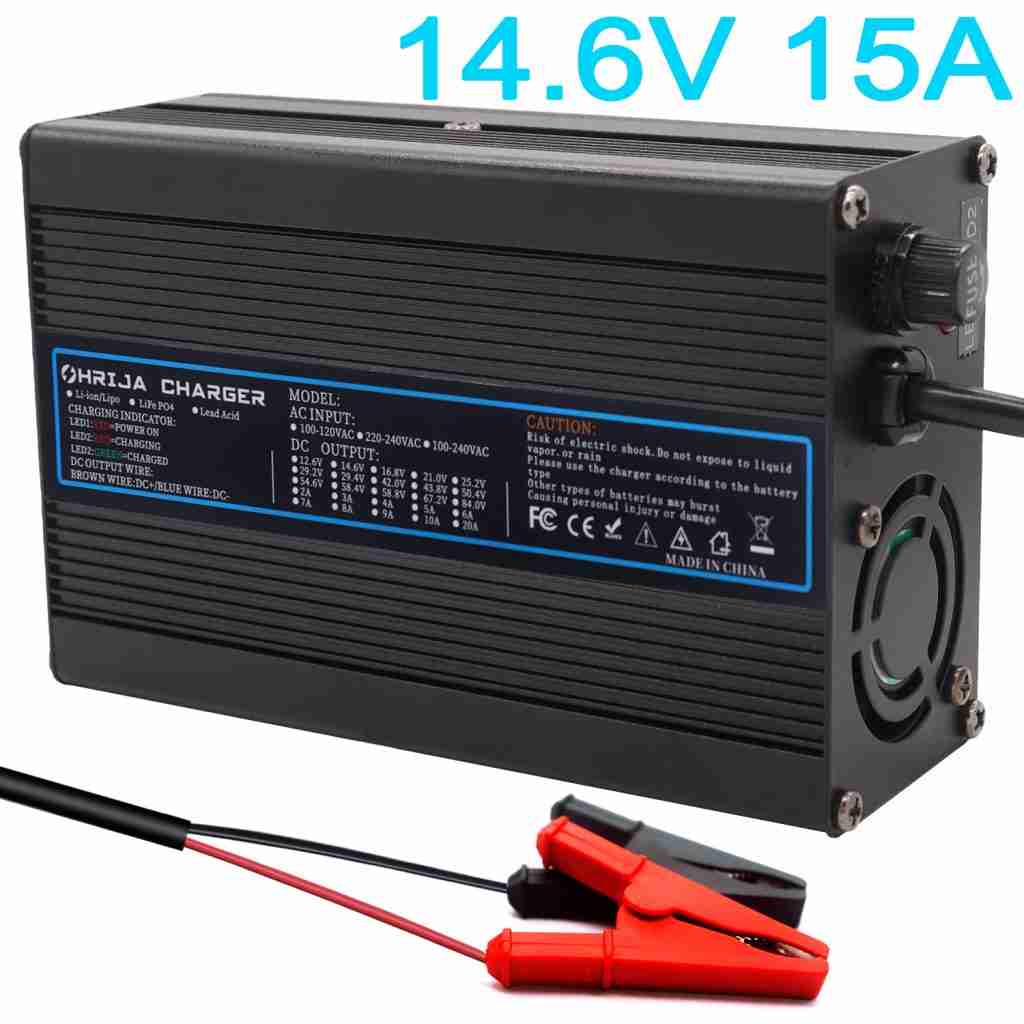
OHRIJA 12V Lifepo4 battery charger 14.6V 15A charger makes it suitable for 4S 12.8V Lifepo4 batteries
21.50$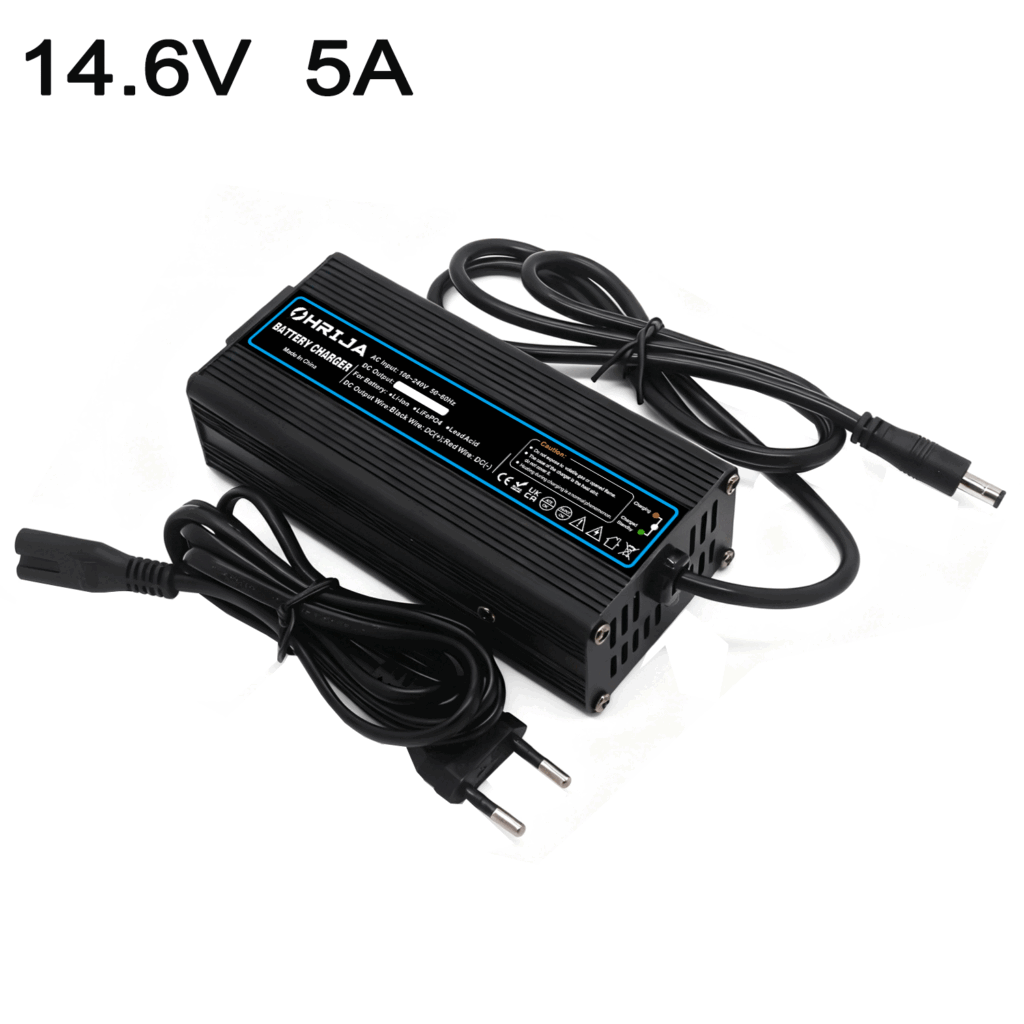
OHRIJA 14.6V 5A Aluminum Alloy Lithium Battery Charger for 4 Series 12V Lifepo4 Battery
14.90$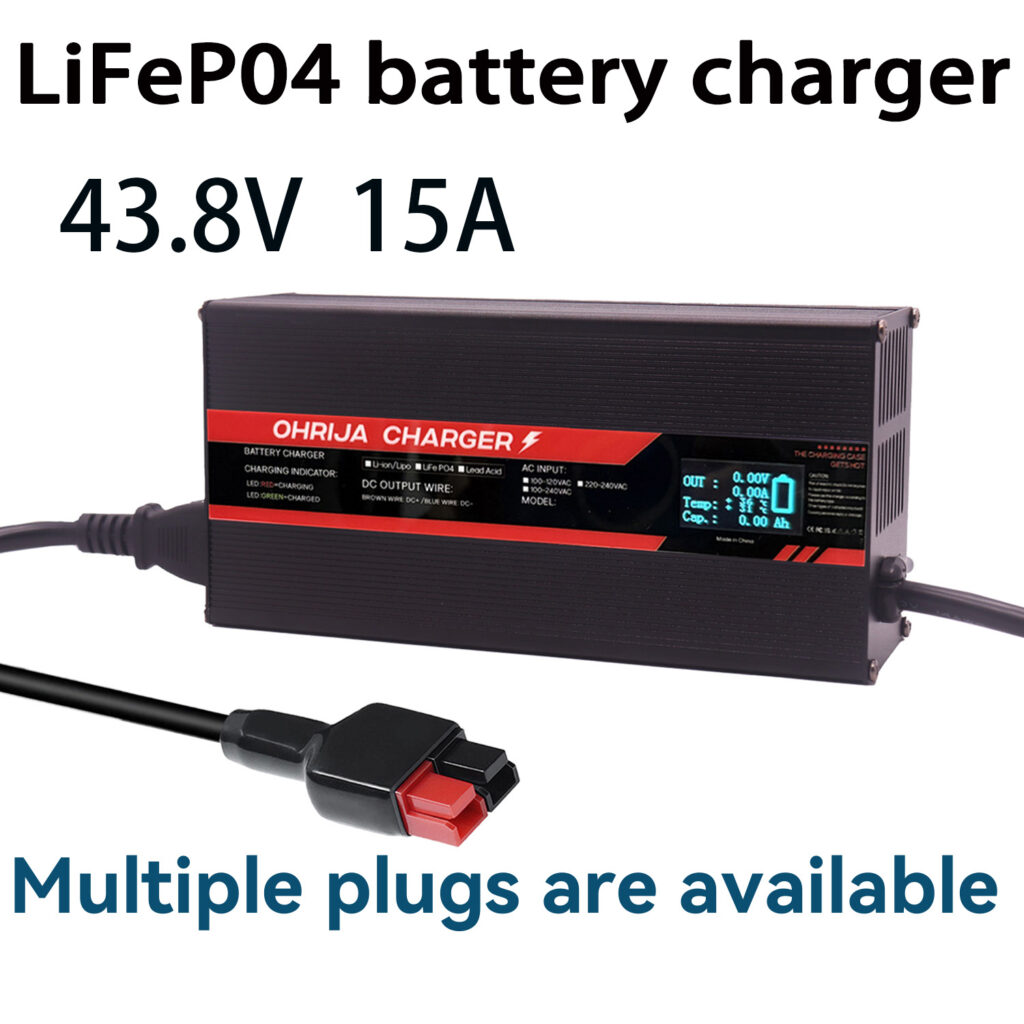
OHRIJA 36V Lifepo4 battery charger 43.8V 15A charger makes it suitable for 12S 43.8V Lifepo4 batteries
33.50$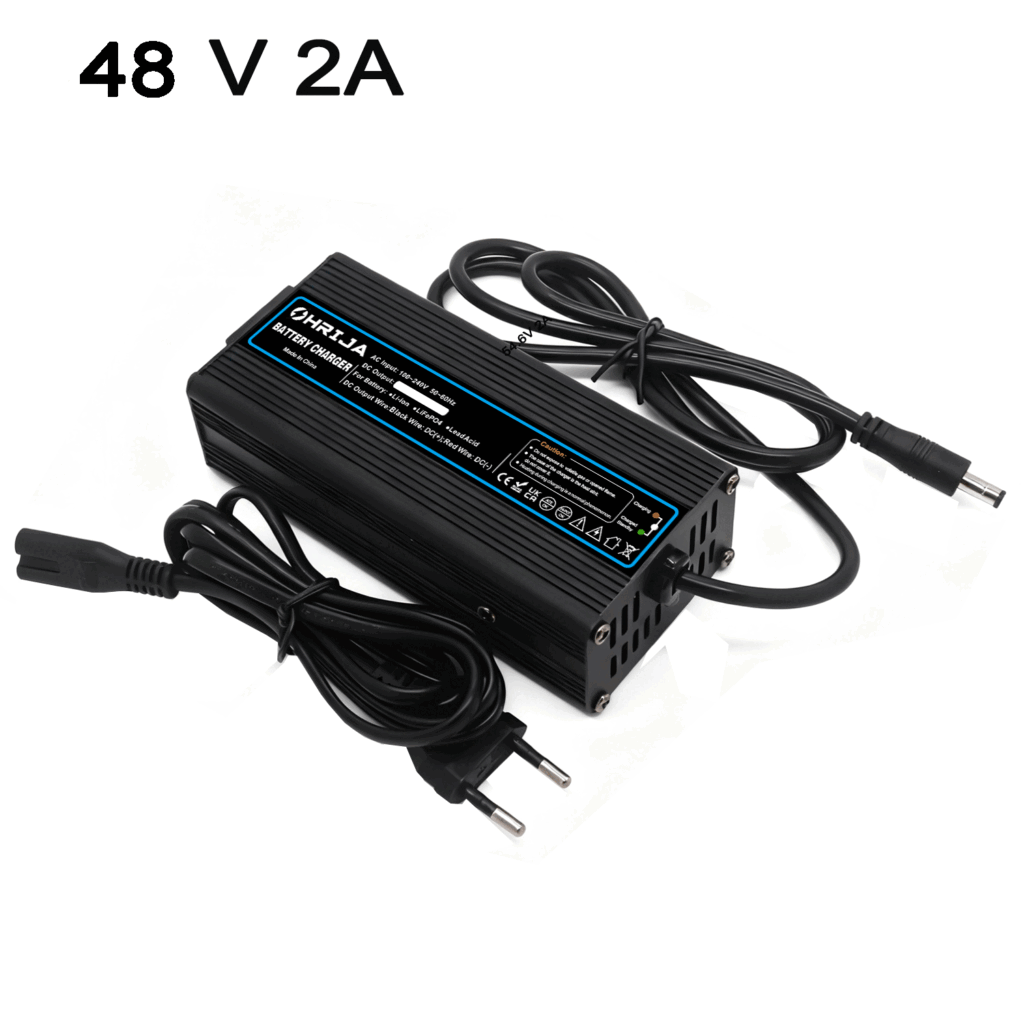
OHRIJA 48V 2A Aluminum Alloy Lithium Battery Charger for 48V Lead-acid AGM Battery
14.90$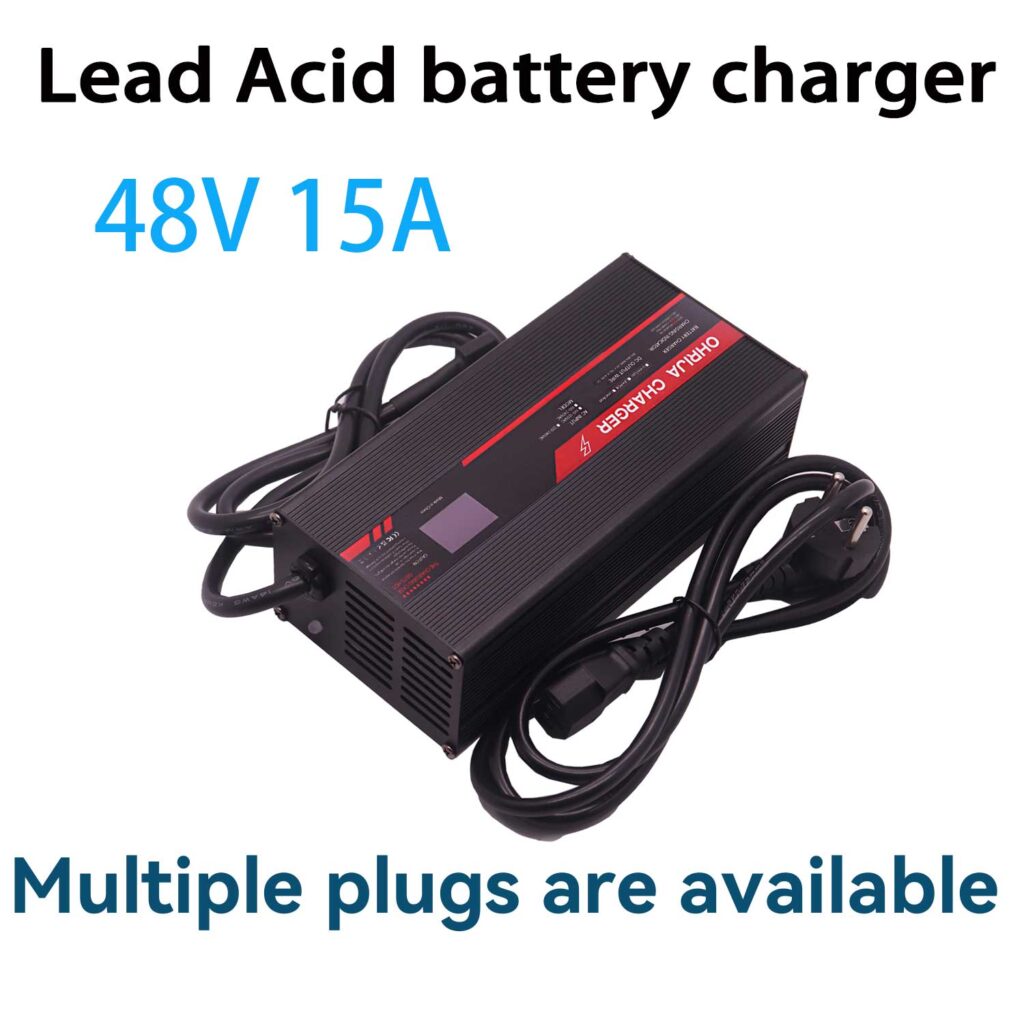
OHRIJA 48v Lead Acid battery charger 48V 15A charger makes it suitable for 4S 12V Lead Acid Chargers
33.50$
From our experience: If you fully understand what the lights mean on a Quiq charger and determine that your hardware has failed, do not waste capital on refurbished legacy tech. The industry has moved on.
We recommend transitioning your procurement to modern, smart charging solutions. If you are upgrading your industrial fleet to Lithium Iron Phosphate to eliminate maintenance, you must pair it with a dedicated charger from a reputable LiFePO4 battery charger category. Using a legacy lead-acid algorithm on a lithium pack is a critical fire hazard. For high-capacity 12V systems, integrating an 12V LiFePO4 battery charger 30A will cut your charge times in half while ensuring perfect cell balancing.
Data and Comparison Tables
| LED Indicator | Status / Fault | Required Action |
|---|---|---|
| Short Flashing Green | Bulk Charge (0-80%) | None. Allow to charge. |
| Long Flashing Green | Absorption Charge (80-99%) | None. Allow to charge. |
| Solid Green | Charge Complete (100%) | Unplug or leave on maintenance float. |
| 1 Red Flash | High Battery Voltage | Verify correct charger voltage for battery pack. |
| 2 Red Flashes | Low Battery Voltage | Manually jump the battery pack above minimum voltage. |
| 3 Red Flashes | Charge Timeout | Test batteries for a dead/shorted internal cell. |
| 4 Red Flashes | Temperature Fault | Allow batteries to cool. Replace sensor if faulty. |
| 5 Red Flashes | AC Power Fault | Remove extension cords. Plug directly into wall. |
| 6 Red Flashes | Fatal Internal Fault | Scrap and replace the charger unit immediately. |
| Feature | Legacy Quiq Chargers | Modern OHRIJA Smart Chargers |
|---|---|---|
| Chemistry Compatibility | Strictly Lead-Acid / AGM (Requires complex reprogramming for Lithium) | Purpose-built profiles for Li-ion, LiFePO4, and Lead-Acid |
| Weight & Form Factor | Heavy, bulky aluminum heat sinks | Lightweight, high-efficiency switching power supplies |
| Diagnostic Interface | Cryptic LED flash codes | Clear status indicators with intelligent BMS communication |
| Cost of Replacement | Extremely high ($350 – $500+) | Highly cost-effective factory-direct pricing |
| Pros of Repairing | Cons of Repairing |
|---|---|
| May save a fraction of the cost compared to OEM MSRP. | Unit is potted in epoxy; teardown is labor-intensive and messy. |
| Keeps original mounting hardware intact on the vehicle. | Repaired boards often fail again within 12 months. |
| Environmentally friendly (e-waste reduction). | You are still stuck with 15-year-old charging algorithms. |
| Scenario | Our Recommendation | Justification |
|---|---|---|
| Upgrading fleet to Lithium Batteries | Purchase New Li-ion/LiFePO4 Chargers | Legacy chargers will overcharge and destroy expensive lithium packs. |
| Charger is flashing 2 Red Lights | Do Not Buy a Charger | The issue is your dead battery pack, not the charging hardware. |
| Charger is flashing 6 Red Lights | Purchase New Charger | Internal components have failed catastrophically. Repair is not economically viable. |
Frequently Asked Questions (FAQ)
What does a solid red light mean on a Quiq charger?
A solid red light on a Quiq charger indicates a general AC power fault. This usually means the charger is plugged into a dead outlet, or the AC input voltage is completely out of the acceptable operational range. Verify the wall receptacle with a multimeter before replacing the charger.
What does a 6-flash red light code mean?
A 6-flash red light code indicates a fatal internal charger fault. In most professional situations, this means the internal circuitry has failed and the charger cannot be repaired safely. It requires a complete unit replacement.
Can I use a legacy Quiq charger on a lithium battery upgrade?
No. Legacy Quiq chargers are traditionally programmed with charging algorithms specific to flooded lead-acid or AGM batteries. Using them on lithium packs without factory reprogramming can cause severe overcharging and permanent battery damage. Always use a dedicated lithium charger for lithium upgrades.
Authoritative References & Industry Standards
To ensure our operational guidance meets strict commercial and safety standards, this article aligns with the technical frameworks established by the following authoritative organizations:
- Battery Council International (BCI) – The leading authority on battery manufacturing, safety standards, and proper charging protocols for industrial applications.
- Institute of Electrical and Electronics Engineers (IEEE) – Providing global standards for electrical power conversion, high-frequency switching supplies, and battery management systems.
- Occupational Safety and Health Administration (OSHA) – Establishing workplace safety regulations regarding the charging, maintenance, and handling of deep-cycle industrial battery fleets.