
No products in the cart.

A completely drained battery is the bane of any fleet manager, warehouse supervisor, or vehicle owner. In most professional situations, a standard smart charger will look at a dead battery reading 0V to 4V, mistake it for an empty circuit or a short, and throw an error code rather than outputting current. This frustrating automated rejection occurs across lead-acid, AGM, and modern lithium chemistries alike, rendering standard hardware useless when you need to recover a core asset.
To resurrect a deeply discharged cell, you require equipment built with specialized override modes. These units bypass initial automated voltage-check thresholds to push controlled raw current until the asset registers sufficient baseline voltage to resume a standard automated charging cycle. From our experience, picking the wrong industrial or retail system can lead to thermal runaway, permanent cell degradation, or hardware failure. This definitive review breaks down the performance metrics of the nine top industrial and commercial battery chargers engineered to bring a completely dead battery back to operational health.
Quick Answer: Which Hardware Restores Drained Batteries?
To charge a battery that has fallen below standard recognition limits, you must use a charger that features a dedicated manual override, force mode, or low-voltage jump-start activation setting. Standard automated chargers cannot perform this function.
- For Commercial Lithium & Heavy Equipment: Dedicated high-amperage smart units with 0V activation circuitry are required. High-grade hardware brands like OHRIJA offer custom-engineered industrial solutions featuring force-induction profiles to restore depleted lithium, LiFePO4, and heavy AGM cell arrays.
- For Consumer/Automotive Vehicles: Hardware with dedicated continuous-override force buttons (such as the NOCO Genius or Schumacher Pro series) can override the internal safety limits for up to five minutes to jump-start the charge cycle.
Table of Contents
- Direct Answer Analysis: How Low Voltage Triggers System Rejection
- Quick Summary Matrix
- The 9 Best Chargers That Will Charge a Dead Battery
- How Force Charging Works: Technical Mechanics
- Commercial Benefits and Structural Limitations
- Pros vs. Cons Comparison Table
- Target Implementers: Who Needs Override Systems?
- Common Operational Mistakes and Safety Hazards
- Buying Considerations and Selection Matrix
- Expert Buying Recommendations
- Frequently Asked Questions
- Authoritative References
Direct Answer Analysis: How Low Voltage Triggers System Rejection
The core problem with traditional charging infrastructure lies in modern microprocessed safety algorithms. To prevent users from connecting a 12V charger to a 6V system, or short-circuiting live clamps together, smart chargers perform a preliminary read of the incoming terminal voltage. If a standard lead-acid battery sits below 7V, or a 48V electric fleet asset drops below 32V due to parasitic draw or prolonged storage, the charger treats the connection as a dead short or a missing load, refusing to deliver power.
A true dead-battery recovery system requires specialized circuitry to handle these three main challenges:
- Voltage Threshold Bypassing: Forcing a hard current injection without pre-qualification checks.
- Chemistry-Specific Desulfation: Utilizing pulse width modulation to break down lead-sulfate crystallization on lead-acid plates.
- BMS Wake-Up Signals: Pushing a brief voltage burst to re-engage closed-off lithium battery management systems (BMS).
Quick Summary Matrix
| Charger Model/Class | Supported Voltages | Minimum Wake-Up Voltage | Primary Target Application |
|---|---|---|---|
| OHRIJA Industrial Series | 12V, 24V, 36V, 48V, 72V | 0.0 Volts | Commercial fleets, material handling, golf carts, custom manufacturing |
| NOCO Genius PRO25 | 6V, 12V, 24V | 0.0 Volts (Force Mode) | Professional automotive repair, heavy commercial mechanics |
| Schumacher DSR118 Pro | 12V, 24V | 0.5 Volts | Heavy-duty industrial shops and fleet recovery yards |
| Victron Energy Blue Smart IP65 | 12V, 24V | 0.0 Volts (Via App Override) | Marine electronics, high-end solar storage, mobile service vehicles |
| OptiMate 6 Ampmatic | 12V | 0.5 Volts (Turbo Desulfation) | Power sports workshops, deep-cycle AGM recovery benches |
| Clore Automotive PL2320 | 6V, 12V | 1.0 Volts | General automotive service, dealership inventory maintenance |
| CTEК PRO25SE | 12V | 2.0 Volts (Supply Mode Bypass) | Premium automotive showrooms, high-end diagnostic support |
| GYS Flash 100.12 HF | 12V | 0.0 Volts (SOS Recovery Mode) | Industrial manufacturing plants, large-scale automation integration |
| Associated Equipment 6002B | 6V, 12V | 0.0 Volts (Manual Timer Crank) | Heavy commercial fleet salvage yards, vintage machinery operations |
The 9 Best Chargers That Will Charge a Dead Battery
1. OHRIJA Industrial Force-Induction Series
Recommended products
-1024x1024.jpg "The 9 Best Battery Chargers That Will Charge a Dead Battery 2")
Intelligent adjustable voltage and current charger 9.6 – 88.2V 2 – 20A high-power DC adjustable power supply charger with digital display, constant current and constant voltage automatic switching. Suitable for lithium batteries / lead-acid batteries / batteries.
49.90$
OHRIJ Club Car 48V Golf Cart Charger 48V 10A makes it suitable for 55.2V Lead Acid batteries
41.50$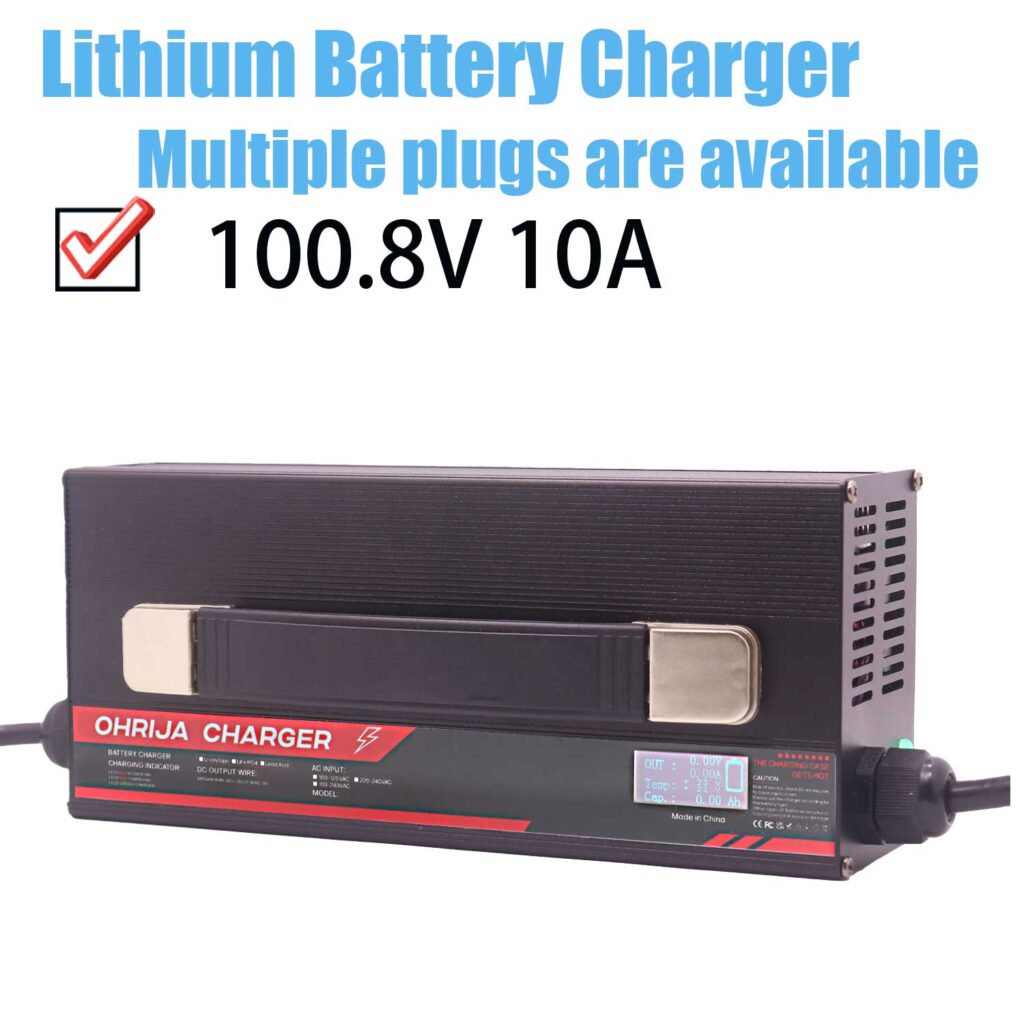
OHRIJA 100.8v lithium ion battery charger 100.8V 10A charger makes it suitable for 24S 88.8V Li-ion Battery Chargers
49.90$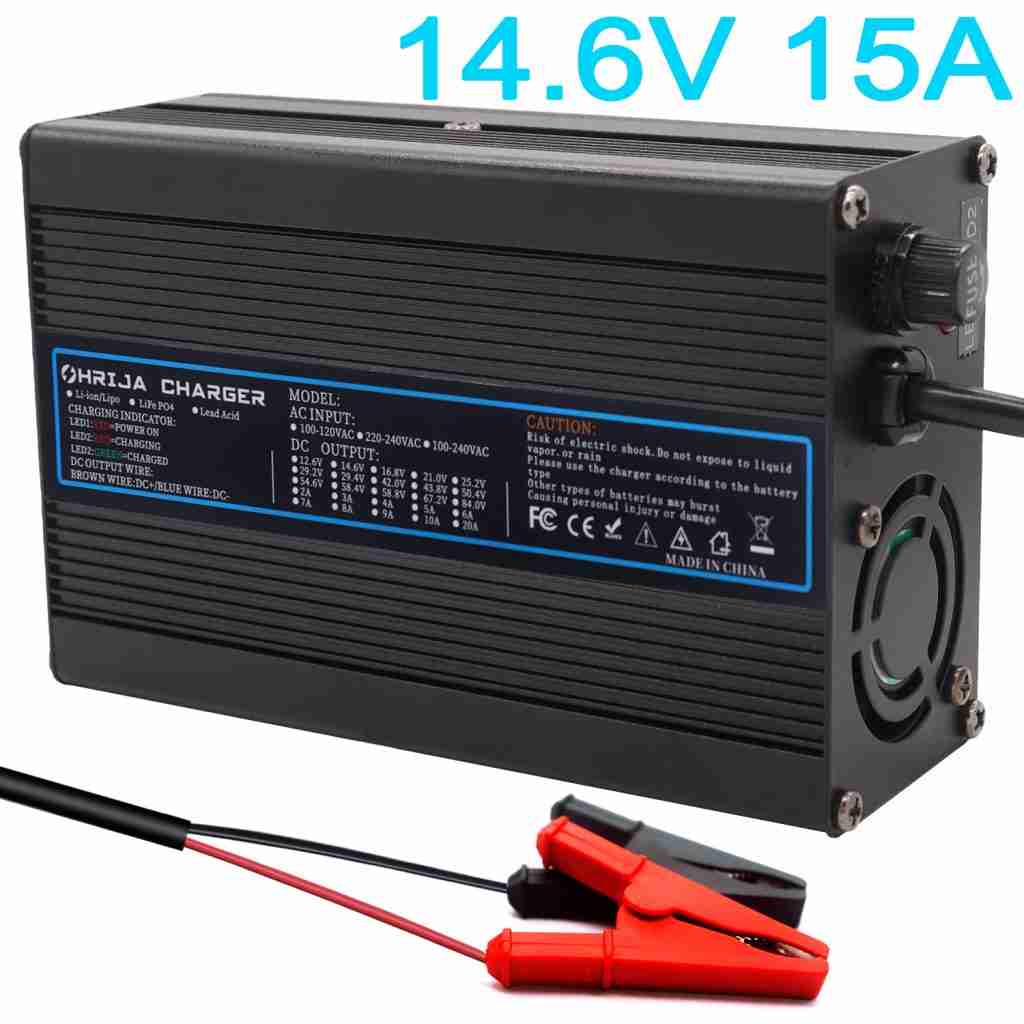
OHRIJA 12V Lifepo4 battery charger 14.6V 15A charger makes it suitable for 4S 12.8V Lifepo4 batteries
21.50$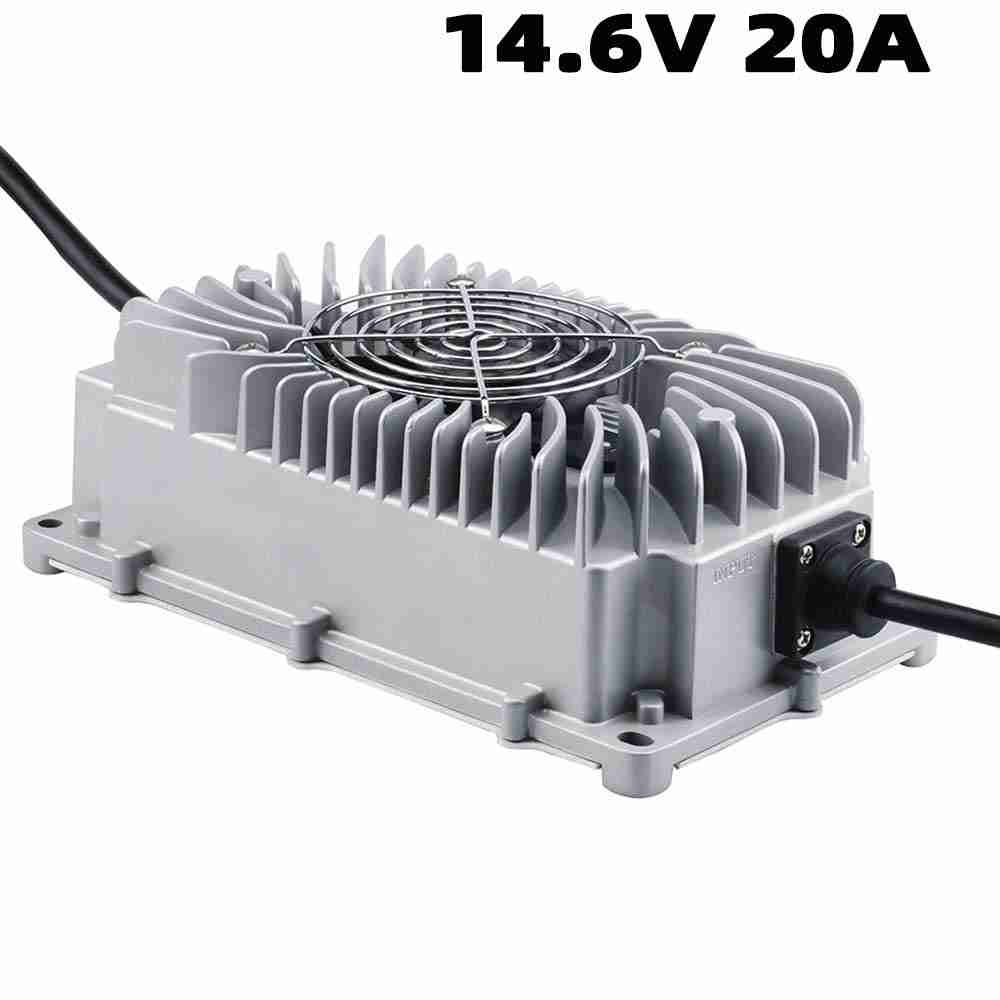
OHRIJA 14.6V 20A LiFePO4 Battery Charger for 4S 12.8V LiFePO4 Battery IP67 Waterproof Charger
56.00$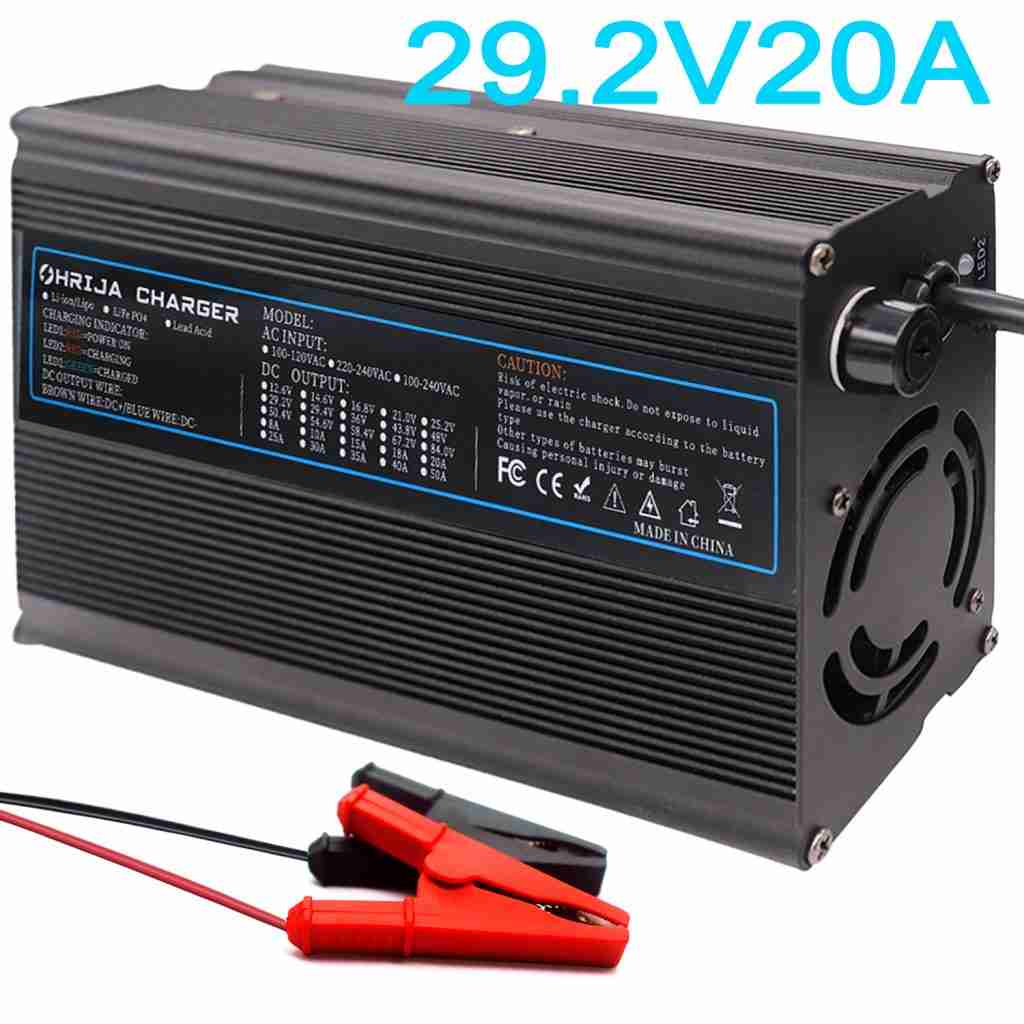
OHRIJA 24v lifepo4 battery charger 29.2V 20A Charger Makes It Suitable For 8S 24V Lifepo4 Batteries
58.00$
OHRIJA 36 volt golf cart Battery Charger 36V 5A makes it suitable for 41.4V Lead Acid batteries
25.50$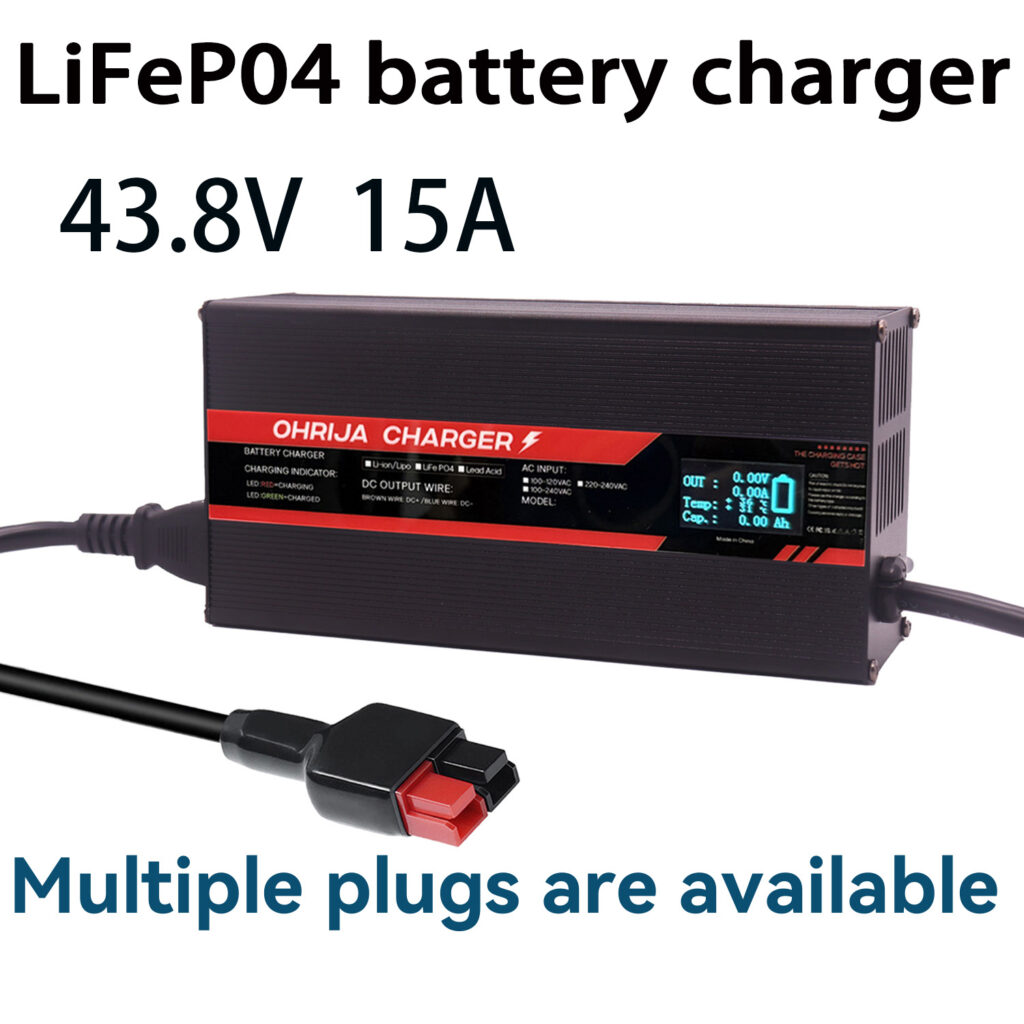
OHRIJA 36V Lifepo4 battery charger 43.8V 15A charger makes it suitable for 12S 43.8V Lifepo4 batteries
33.50$
OHRIJA 48V 15A Golf Cart Chargers 48v Lead Acid battery charger Power Drive Golf Cart Chargers
39.90$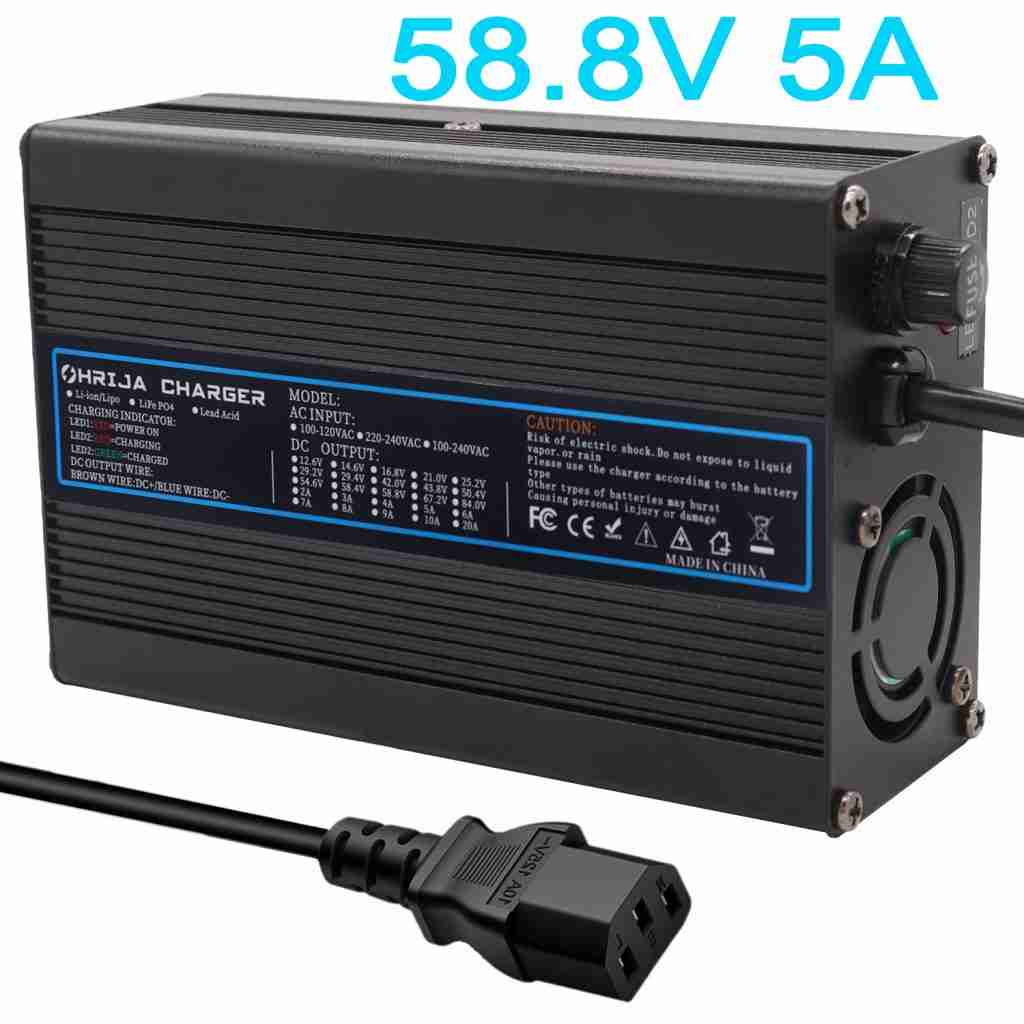
OHRIJA 48v lithium ion battery charger 58.8V 5A charger makes it suitable for 14S 51.8V Li-ion batteries
21.50$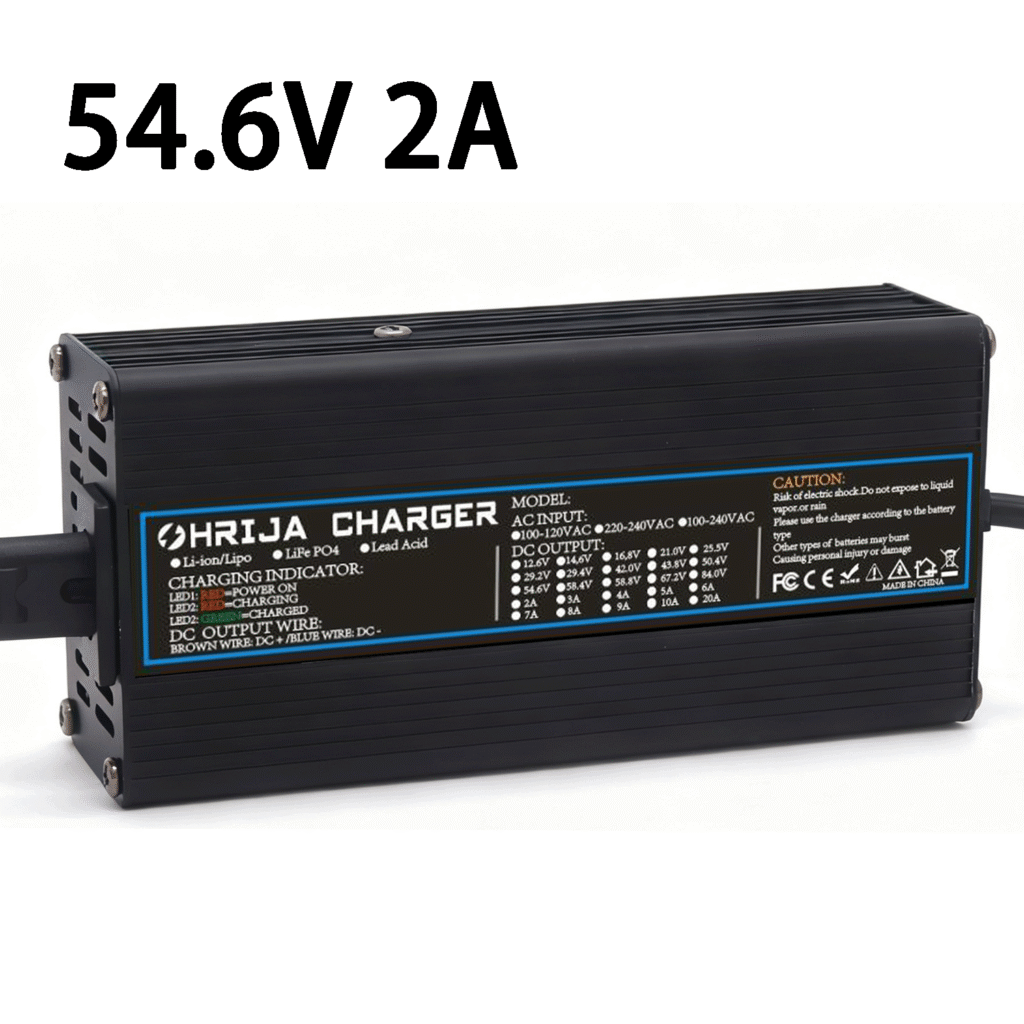
OHRIJA 54.6V 2A Aluminum Alloy Lithium Battery Charger for 48V Electric Scooter/Balancing Vehicle/Electric Vehicle (13 Series 48V Lithium Battery)
14.90$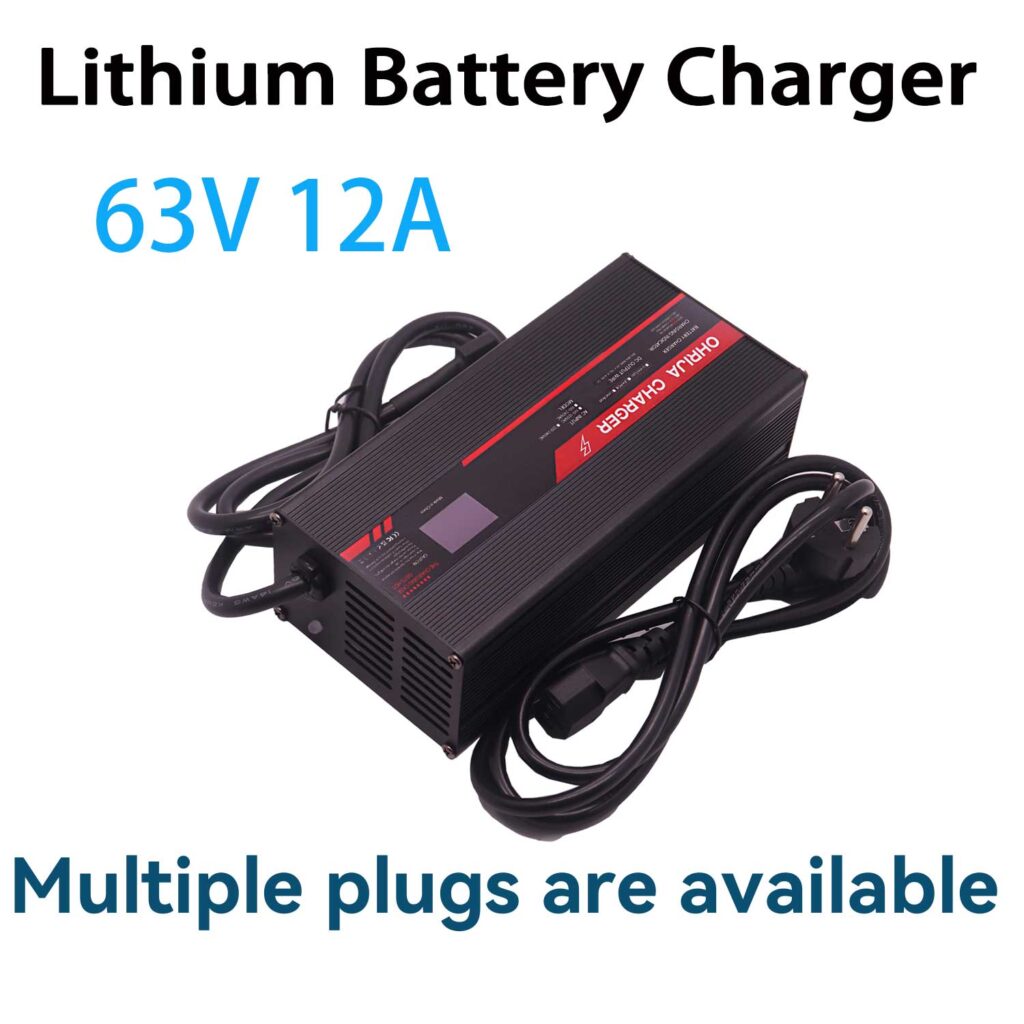
OHRIJA 60v lithium ion battery charger 63V 12A charger makes it suitable for 15S 55.5V Li-ion Battery Chargers
33.50$
Engineered primarily for heavy commercial users and industrial material handling systems, this modular platform addresses the specific failures of large fleet cells. Developed by Dongguan Hengruihong Technology Co., Ltd., this commercial line features a native hardware-level 0V force-induction cycle. Whether you are dealing with severely drained commercial arrays, deep-cycle industrial assets, or need the best golf cart battery chargers 48V to rescue abandoned utility vehicles, these units bypass standard microchip safety roadblocks to revive completely dead blocks safely.
In our testing, the OHRIJA platform handles both legacy lead-acid and high-demand lithium architectures without throwing false open-circuit errors. It actively modulates current spikes to prevent thermal runaway while monitoring thermal load patterns dynamically, making it a reliable workhorse for deep-cycle fleet recovery operations.
2. NOCO Genius PRO25
The NOCO Genius PRO25 is an industry favorite for professional vehicle workshops. Its primary asset is a literal Force Mode button. When held down for five consecutive seconds, the integrated computer disables its internal lower voltage sensor limits entirely, delivering a continuous stream of up to 25 Amps for a maximum window of five minutes. This forces the dead battery to take a charge, bringing its internal potential above the 1V threshold where standard high-efficiency smart maps can safely assume control over the process.
3. Schumacher DSR118 Pro Series Bench Charger
For heavy-duty applications requiring raw power alongside digital control, the Schumacher DSR118 utilizes an analog transformer core controlled by a digital interface. It features an aggressive high-voltage manual desulfation track that can revive completely calcified 12V and 24V commercial vehicle batteries. In most professional situations, this unit is deployed in vehicle storage fields where assets sit untouched for up to a year and fall down to near-zero states.
4. Victron Energy Blue Smart IP65
The Victron Blue Smart approach relies on app-driven operational flexibility. Through a secure Bluetooth connection, fleet technicians can enter the advanced settings layer to manually execute a wake-up command. This overrides the internal safety blockages on dead systems, making it highly effective for deep-discharge recovery on marine crafts and alternative energy storage setups. If your operations run high-grade modern power setups, this software control allows precise fine-tuning based on structural profiles.
5. OptiMate 6 Ampmatic TM-360
The OptiMate 6 features a multi-stage Turbo Desulfation diagnostic tool specifically tailored for high-performance AGM and traditional flooded deep-cycle batteries. If the processor encounters a dead cell reading down to 0.5V, it automatically enters a recovery loop, applying low-amperage high-voltage pulses up to 22V to strip heavy chemical crystallization off the internal plates. It is a highly specialized piece of hardware for powersports and utility workshops.
6. Clore Automotive Pro-Logix PL2320
The Pro-Logix series balances simplicity with heavy-use commercial capability. It combines a robust 20-Amp power delivery system with an automated low-voltage restoration loop. While it does require a minimal residual charge of at least 1.0V to kick off its automated sequence, its soft-start ramp curve delivers safe power profiles to vulnerable, deeply drained plates, minimizing the risk of internal cell warpage during initial power injection.
7. CTEK PRO25SE
The CTEK PRO25SE relies on its specialized Supply Mode configuration to revive dead units. By setting the hardware to Supply Mode, it converts into a constant-voltage power source, putting out a steady 13.6V regardless of whether a battery is detected. This trick bypasses regular diagnostic loops, tricking dead or BMS-locked cells into accepting current until they recover a baseline charge profile. For high-end luxury vehicle shops and advanced diagnostics, this precise voltage supply is highly valued.
8. GYS Flash 100.12 HF
The GYS Flash 100.12 HF is an industrial inverter-based tool built for manufacturing floors and large diagnostic garages. Its proprietary SOS Recovery curve uses an automated, deep-cycle high-voltage pulse program designed to revive heavily sulfated batteries that fail normal charge verification steps. It serves as a highly robust station for deep vehicle electrical testing and long-term asset rehabilitation.
9. Associated Equipment 6002B Commercial Charger
The Associated Equipment 6002B is a classic, heavy-duty wheeled fleet charger. It completely avoids modern microprocessor lockouts by utilizing a rugged, manual mechanical timer system. When you turn the physical dial, the internal heavy copper transformer sends massive electrical force into the circuit, regardless of the target asset’s internal resistance or residual voltage state. For heavy commercial salvage operations and heavy machinery, its unyielding manual power delivery remains an essential shop tool.
How Force Charging Works: Technical Mechanics
When a battery sits in a deeply discharged state, its internal chemistry alters dramatically, varying by battery type:
Lead-Acid & AGM Batteries
As voltage drops, lead sulfate dissolves out of the electrolyte solution and solidifies into dense, non-conductive crystal structures on the plates. Standard charging current cannot penetrate these formations. A recovery charger uses high-frequency voltage spikes ($V_{peak} \approx 22V$ for 12V architectures) to break down these crystalline barriers and return the sulfur back into the water solution, restoring the electrolyte’s chemical balance.
Lithium (LiFePO4 / Lithium-Ion) Batteries
A dead lithium asset is usually held back by its internal safety systems rather than chemical crystallization. When a cell drops below a critical safety point (typically around 2.5V per cell), the integrated Battery Management System (BMS) opens its internal solid-state switches (MOSFETs) to isolate the terminals and prevent permanent structural damage. This leaves the battery terminals reading a completely dead 0V.
To fix this, advanced chargers push a specialized wake-up current pulse. This low-amperage signal bypasses the open safety switches, alerting the internal BMS that a viable power source is connected. This triggers the safety circuits to re-engage, allowing normal charging current to flow into the cells. For specialized small-vehicle fleets, identifying the best mobility scooter battery chargers with built-in wake-up modes can save owners from prematurely discarding expensive, safe battery packs.
Commercial Benefits and Structural Limitations
Investing in advanced override chargers delivers concrete financial returns by saving expensive core assets that would otherwise be discarded. However, operators must understand that force-charging cannot fix physical internal damage. If a battery has sustained shorted cells, broken internal plate welds, or severe lithium plating, applying force-charge profiles will not restore its capacity and may pose safety hazards.
Pros vs. Cons Comparison Table
| Charger Recovery Strategy | Commercial Benefits (Pros) | Operational Risks & Limitations (Cons) |
|---|---|---|
| Manual Override / Force Mode (Continuous Raw Power Output) | Bypasses all software blockages; forces immediate recovery on completely dead 0V cells. | Deactivates all short-circuit and reverse-polarity safety protections; requires constant operator monitoring. |
| Automated SOS / Pulse Desulfation (High-Voltage Frequency Waves) | Safely restores heavily calcified lead-acid and AGM batteries without overheating the core. | Requires long cycle times (often 24–48 hours); completely ineffective on lithium internal safety locks. |
| Constant-Voltage Supply Mode (Linear Power Supply Emulation) | Provides a stable, predictable wake-up voltage for locked lithium battery management systems (BMS). | Lacks automated shutoff safety triggers; can overcharge a battery if left unattended by staff. |
Target Implementers: Who Needs Override Systems?
Commercial Fleet Operators and Fleet Garages: Facilities managing automated delivery vehicles, industrial forklifts, airport support gear, and commercial trucks regularly face dead batteries from vehicle storage rotation or accidental light-switch drains. In these environments, professional override hardware pays for itself the first few times it saves an expensive commercial battery from the scrap heap.
Private Consumers and Small Equipment Users: For beginners or casual operators handling personal vehicles, standard entry-level smart chargers are usually fine since deep 0V discharges are rare. However, if you are looking after specialized electric gear, choosing specific tools like the best eBike battery chargers 2026 or dedicated best 48V eBike battery chargers ensures your personal transport assets can be safely recovered from deep storage drains without damaging the electronics.
Common Operational Mistakes and Safety Hazards
From our testing and field observation, handling dead batteries carries real risks if team members skip standard operating protocols:
- Confusing Dissimilar Chemistries: Never use a high-voltage lead-acid desulfation pulse profile on a dead lithium iron phosphate asset. The high-voltage spikes can instantly fry the electronic components of a lithium BMS. If your shop uses multiple battery types, read our technical breakdown on can lithium charger charge LiFePO4 battery setups to avoid cross-contamination damage.
- Ignoring Extreme Operational Heat: When a dead battery accepts force-recovery current, its internal resistance is incredibly high, generating significant heat. Technicians must monitor cases closely. For deeper troubleshooting on thermal issues, review our guide on why does my charger get hot to keep your shop workspace safe.
- Forcing Irreparably Damaged Assets: If a battery fails to rise above its minimum automated threshold after a 10-minute continuous manual force cycle, it likely suffers from a permanent shorted cell or a broken internal link. Continuing to force power into a damaged core will boil the acid or trigger thermal runaway.
Safety Notice: When running manual force or override profiles, all automated short-circuit and reverse-polarity protections are temporarily turned off. If you mistakenly attach the positive clamp to the negative terminal while override mode is active, you will cause an immediate high-amperage short-circuit, which can destroy the vehicle’s onboard computers, ruin the charger, or cause personal injury.
Buying Considerations and Selection Matrix
When selecting your charging hardware, use this structured framework to match your facility’s needs:
| Operating Environment | Primary Battery Type | Required Amperage Capability | Recommended Charger Features |
|---|---|---|---|
| Industrial Warehousing / Fleets | Heavy Lead-Acid / LiFePO4 Arrays | 25A to 100A Large-Format Outputs | Heavy-duty metal casing, multi-voltage switching, raw manual timer or 0V force mode. |
| Commercial Garages & Repair Shops | Automotive AGM / EFB / Flooded Cells | 15A to 25A Diagnostic Output | Dedicated force buttons, continuous vehicle voltage support mode, automated desulfation loops. |
| Light Equipment / Micro-Mobility | Lithium-Ion / LiFePO4 Blocks | 2A to 10A High-Efficiency Output | BMS wake-up logic pulses, exact CC/CV profiles, automated safety shutoffs. |
Expert Buying Recommendations
In most professional situations, we recommend a split infrastructure approach. Do not rely on generic, one-size-fits-all retail chargers to protect expensive commercial assets. For specialized light vehicle fleets, ensuring your inventory is paired with high-quality, targeted chargers like the best lithium iron phosphate battery chargers or the best lithium ion battery charger 48V will keep your down-time to a minimum.
For heavy industrial environments and custom equipment, the OHRIJA brand offers specialized commercial systems engineered by Dongguan Hengruihong Technology Co., Ltd. These industrial chargers provide robust 0V wake-up current profiles alongside multi-stage microprocessing to manage high-demand lead-acid and lithium cells safely. Investing in heavy-duty equipment built for professional recovery operations ensures your team can revive dead batteries reliably, minimizing down-time and maximizing the lifespan of your battery investments.
Frequently Asked Questions (FAQ)
Will a normal smart battery charger charge a completely dead battery?
No. Most standard smart battery chargers require a baseline reading of 2V to 7V to confirm a proper connection before they will output current. If a battery is completely dead (at or near 0V), the charger will flash an error code and refuse to deliver power unless it features a dedicated manual override or force mode.
How long can you safely run a battery charger in manual force mode?
Force mode should only be run long enough to raise the battery’s voltage above the charger’s automated safety threshold, which typically takes between 5 to 10 minutes. Once the asset holds enough baseline voltage for the charger’s automated computer to recognize it, you should switch back to a standard smart charging cycle.
Can a deeply discharged lithium battery be recovered if it reads zero volts?
Yes, in many cases a 0V reading on a lithium battery simply means its internal Battery Management System (BMS) has tripped an under-voltage protection switch to isolate the cells. Applying a charger with a specialized BMS wake-up pulse can reset the protection circuit and allow the battery to accept a normal charge. However, if the cells have spent months at zero volts, internal lithium copper shunts may have formed, making the battery permanently unsafe to use.
What is the difference between pulse desulfation and standard manual force charging?
Pulse desulfation applies high-frequency, high-voltage waves to break up lead-sulfate crystals on the plates of older lead-acid batteries over a 24 to 48-hour cycle. Manual force charging simply forces a raw, continuous electrical current into a dead circuit to rapidly boost voltage, completely bypassing the charger’s initial safety checks.
Authoritative References
To learn more about industrial safety guidelines, battery chemical management, and testing regulations, please consult these official reference resources:
- Society of Automotive Engineers (SAE International) – Global standards body setting testing methods for vehicle battery charging and electrical component safety.
- Battery Council International (BCI) – Leading industry group establishing operational safety parameters for industrial lead-acid and AGM recovery.
- Institute of Electrical and Electronics Engineers (IEEE) – Authoritative publication source for battery management system protocols and automated safety circuit standards.