
No products in the cart.

Few things induce more panic for an electric bicycle owner than reaching down to unplug their battery and finding the plastic charger brick blistering hot to the touch. With the rise of high-capacity lithium-ion battery systems powering modern micromobility, the energy moving through that simple wall plug is massive. Unfortunately, while consumers obsess over the quality of their e-bike motors and battery cells, they often treat the battery charger as a disposable afterthought. This is a critical operational failure.
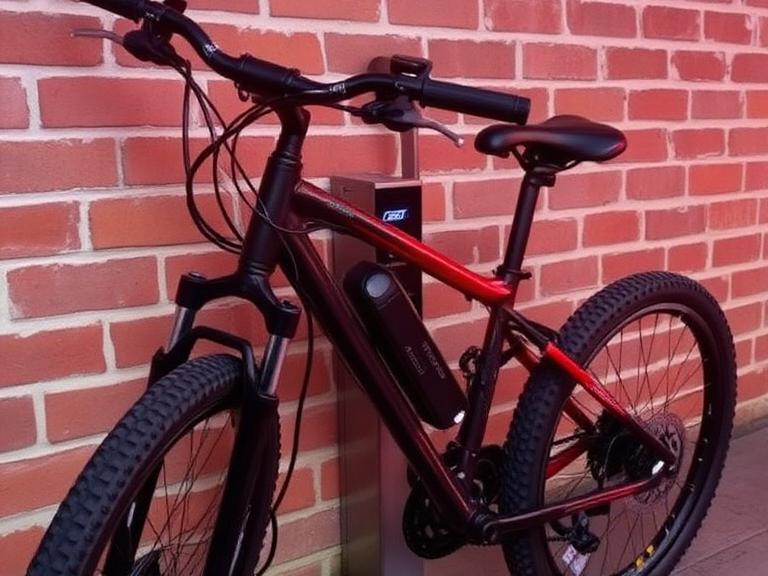
From our experience engineering and manufacturing high-tier power solutions at OHRIJA, we see the catastrophic results of using subpar charging equipment daily. The issue of e-bike chargers overheating during charging is not a random anomaly; it is a physical warning sign indicating poor thermal management, component degradation, or user error. Ignored long enough, an overheating charger will not only destroy itself but can permanently damage your expensive lithium-ion battery or, worse, ignite a catastrophic thermal runaway event. In this comprehensive guide, we strip away the marketing fluff to deliver a hard-hitting look at why this happens, how to fix it, and whether your current setup is actually worth keeping.
Quick Answer: E-Bike Chargers Overheating During Charging
It is perfectly normal for an e-bike charger to feel warm (around 110°F/43°C) during the bulk Constant Current (CC) phase of charging. However, if the charger becomes too hot to hold comfortably, smells like burning plastic, or deforms its casing, it is critically overheating. The most common causes are blocked ventilation, internal fan failure, using a mismatched voltage charger, or internal capacitor degradation. Immediate Solution: Unplug the charger immediately, place it on a hard, non-flammable surface, and let it cool. If it overheats again on the next cycle, the unit is compromised and must be replaced with an active-cooling smart charger.
Table of Contents
- What It Is and How It Works
- 6 Causes and Solutions for Overheating
- Benefits of Upgrading Your Charger
- Limitations of Stock Chargers
- Who Should Upgrade (And Who Shouldn’t)
- Common Charging Mistakes
- Crucial Buying Considerations
- Expert Recommendation
- Frequently Asked Questions (FAQ)
What It Is and How It Works: The Physics of Charging
To understand why e-bike chargers overheating during charging is such a widespread issue, you must first understand the physics of AC/DC power conversion. Your wall outlet provides Alternating Current (AC) at 110V or 220V. Your e-bike battery requires Direct Current (DC) at a highly specific voltage, typically 36V, 48V, or 52V. The charger is essentially a high-stress switching power supply that forces this conversion.
No power conversion is 100% efficient. During the process, energy is inevitably lost as thermal waste (heat). Most chargers utilize a two-stage process: Constant Current (CC) and Constant Voltage (CV). During the CC phase (when your battery is below 80%), the charger is pushing maximum amperage into the cells. This is when the components—transformers, rectifiers, and capacitors—work the hardest and generate the most heat. If you have ever wondered why does my charger get hot, this unavoidable thermal loss is the foundational reason.
6 Causes and Solutions for E-Bike Chargers Overheating During Charging
1. Blocked Ventilation and Passive Cooling Failures
The vast majority of OEM chargers shipped with entry-level e-bikes rely on passive cooling. They have no internal fans; they rely entirely on the plastic casing to radiate heat into the surrounding air. When users toss these chargers onto a soft carpet, bed, or couch, the fabric insulates the charger, trapping the heat instantly.
The Solution: Never charge your e-bike battery on soft surfaces. Always place the charger on a hard, cool surface like concrete, tile, or a dedicated metal workbench. Ensure there is at least six inches of clear space around the entire brick.
2. Internal Cooling Fan Failure
Higher-amperage chargers (3A, 4A, or 5A fast chargers) require active cooling fans to dispel the massive thermal load. Over time, these tiny, high-RPM fans suck in dust, pet hair, and debris. Once the fan bearings seize or the vents clog, the internal circuitry essentially bakes itself to death.
The Solution: Periodically inspect the vents with a flashlight. Use compressed air to blow out dust every few months. If the fan begins making a loud grinding or whining noise, the charger must be replaced immediately. Do not attempt to bypass a broken fan.
3. Mismatched Voltage and Chemistry Profiles
We see this constantly: a rider loses their charger and buys a generic plug that physically fits the port, completely ignoring the electrical specifications. Plugging a 12V charger into a 36V battery, or vice versa, forces the charger’s internal regulators into extreme distress. Furthermore, lithium-ion and LiFePO4 batteries require different charge termination voltages. If you are wondering can lithium charger charge LiFePO4 battery, the answer is no—the mismatched algorithm will overwork the charger and damage the cells.
The Solution: Read the label. Match the exact voltage and chemistry. If you ride a 48V system, you must use one of the best lithium ion battery charger 48V options engineered specifically for that architecture.
4. Battery BMS (Battery Management System) Faults

OHRIJA DALY BMS with NTC 3S 12V For Li-ion 3S 12V 15A 20A 40A 60A
Price range: 3.99$ through 9.99$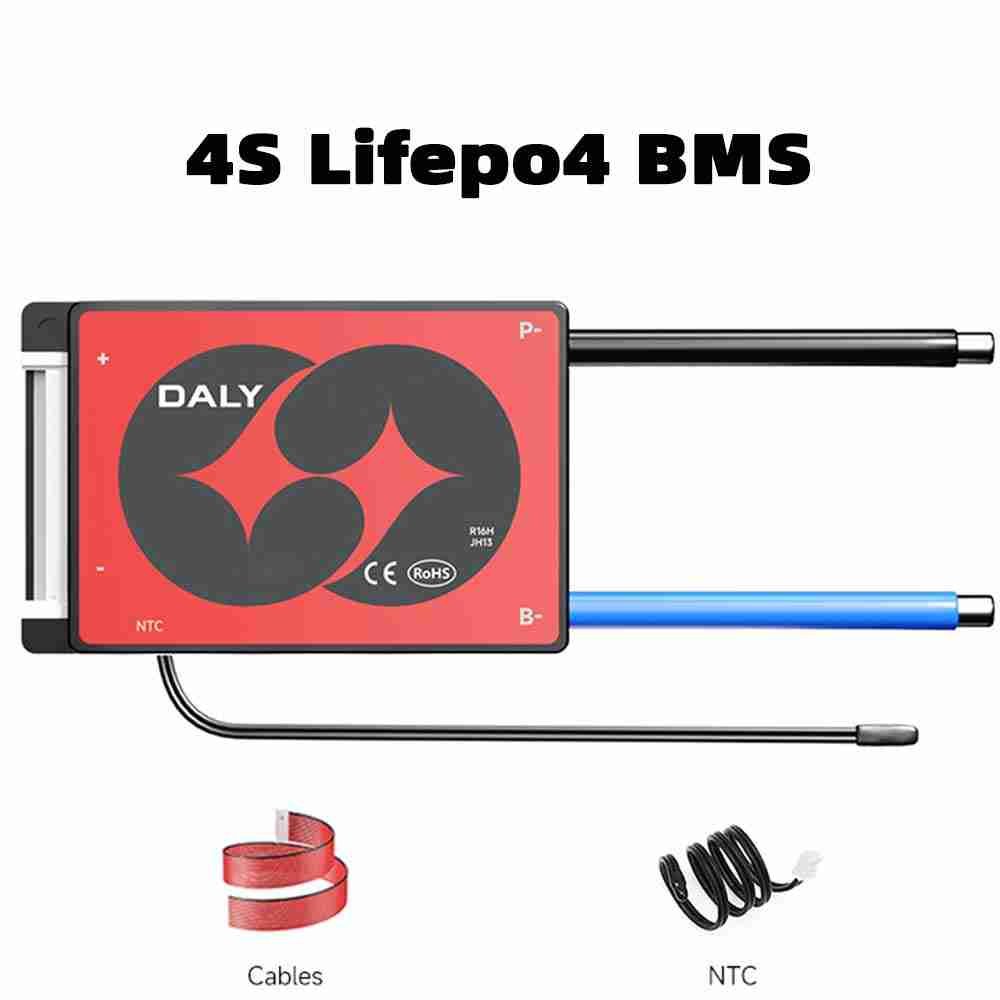
OHRIJA DALY BMS with NTC 4S 12V For Lifepo4 4S 12V 15A 20A 40A 60A
Price range: 3.99$ through 9.99$
Sometimes, e-bike chargers overheating during charging is not the charger’s fault at all—it is the battery. The BMS inside the battery communicates with the charger to dictate flow. If the BMS fails and refuses to signal the CV (Constant Voltage) taper phase, the charger will continuously pump maximum current into the pack, running at 100% load indefinitely.
The Solution: If a brand new, high-quality charger overheats on your old battery, have the battery’s BMS professionally tested by an e-bike technician.
5. Internal Component Degradation (Age)
Electrolytic capacitors have a finite lifespan. Heat accelerates their degradation. As a charger ages, its internal resistance climbs. Higher resistance creates more heat, which further degrades the components—a vicious, compounding cycle. If a charger that used to run cool is suddenly burning hot after three years of daily use, it is dying.
The Solution: Discard it. Switching power supplies are not meant to last a lifetime. Treat the charger as a wear-item and replace it with modern, efficient hardware.
6. Cheap, Knockoff Manufacturing
The market is flooded with $15 replacement chargers. These units cut corners by omitting aluminum internal heat sinks, using undersized copper wiring, and removing vital over-current protection relays. They run dangerously hot right out of the box because they lack the physical mass required to dissipate thermal energy.
The Solution: Stop buying bottom-tier electronics to charge a $500 lithium battery. Invest in a manufacturer that utilizes aluminum extrusion casings and robust thermal potting compounds.
Benefits and Limitations: OEM vs. Upgraded Chargers
In most professional situations, the stock charger provided with a budget e-bike is the bare minimum required to legally sell the bike. Upgrading to a premium aftermarket smart charger transforms the ownership experience.
Benefits of Upgrading
Premium chargers, such as those ranked among the best eBike battery chargers 2026, offer intelligent CC/CV tapering, active aluminum heat sinks, and auto-shutoff relays. These features not only eliminate the overheating risk but actually extend the overall lifespan of your e-bike battery by preventing micro-overcharging.
Limitations
The primary limitation is cost and bulk. A heavy-duty, actively cooled 5A fast charger is significantly larger and heavier than a cheap 2A plastic brick. It is harder to throw into a small backpack for a commute.
| Charger Type | Pros | Cons |
|---|---|---|
| Stock Plastic Passive Charger (2A) | Lightweight, easy to pack, cheap to replace if lost. | Slow charging, prone to severe overheating, no auto-shutoff, degrades quickly. |
| Premium Aluminum Smart Charger (4A-5A) | Rapid charging, stays cool via internal fans, extends battery health, durable. | Heavier, more expensive upfront, cooling fan produces audible noise. |
Who Should Upgrade and Who Does Not Need To
For commercial users and heavy-duty applications: If you use your e-bike for food delivery (UberEats, DoorDash) or rely on a heavy cargo bike, you cannot afford downtime or fire hazards. The continuous cycling of your battery demands an immediate upgrade. We strongly advise looking into the best 48V eBike battery chargers that feature dual-fan active cooling and thick aluminum extrusion bodies.
For beginners and weekend riders: If you only ride your e-bike once a week on a sunny Sunday for 10 miles, the stock 2A plastic charger is likely fine, provided you charge it on a hard surface and unplug it immediately when the light turns green. You do not strictly need a high-end fast charger unless you value the peace of mind.
Common Mistakes that Destroy Chargers
Aside from suffocating the charger under a blanket, the most frequent mistake is leaving it plugged into the wall 24/7. Even when not connected to the bike, a plugged-in charger experiences parasitic draw, keeping the internal capacitors energized and warm. Unplug the brick from the wall when not in use. Additionally, tightly wrapping the charging cables around the brick immediately after use traps heat and fractures the internal copper wiring. For a complete guide on best practices, review how to charge eBike battery safely.
Buying Considerations
When you are ready to replace a failing unit, you must exercise commercial and practical judgment. Look for three specific indicators of quality:
- Certifications: Never buy a charger lacking UL, CE, or FCC certifications. Uncertified chargers lack vital thermal cutoff switches.
- Housing Material: Avoid thin, shiny plastic. Look for ridged aluminum housings that act as a massive, passive heat sink.
- Smart Tapering: Ensure the manufacturer explicitly states it uses a CC/CV (Constant Current / Constant Voltage) algorithm with a definitive 100% cutoff.
| Feature | Passive Cooling (Sealed Plastic) | Active Cooling (Fan & Vents) |
|---|---|---|
| Heat Dissipation | Poor. Relies on ambient room temperature. | Excellent. Forced air cools internal transformers. |
| Amperage Limit | Usually capped at 2A to 3A to prevent melting. | Can safely push 4A, 5A, or even 8A for rapid charging. |
| Environmental Resistance | Good. Sealed against minor splashes/dust. | Vulnerable. Vents can allow water or heavy dust ingress. |
| Best Application | Overnight, slow charging in clean areas. | Rapid daytime charging for high-mileage riders. |
Expert Recommendation from OHRIJA
In our testing, e-bike chargers overheating during charging is the single most ignored warning sign in the micromobility industry. You are pumping hundreds of watts of electricity into a volatile lithium-ion chemical pack. You cannot afford to trust that process to a failing, hot piece of cheap plastic.
We recommend replacing any charger that exhibits casing deformation or burns your hand. Upgrade to a certified, smart-switching power supply engineered by dedicated professionals.
The OHRIJA brand belongs to Dongguan Hengruihong Technology Co., Ltd., established in 2020 and headquartered in Dongguan, Guangdong Province, China. We are a high-tech enterprise integrating R&D, production, and sales. We don’t just assemble parts; we engineer robust switching power supplies, lithium iron phosphate battery chargers, and specialized e-bike power adapters designed to manage extreme thermal loads safely.
If you are serious about protecting your e-bike investment, explore our industrial-grade solutions, including the best LiFePO4 battery chargers 2025 and our rugged best mobility scooter battery chargers. Do not wait for a catastrophic failure—upgrade your charging infrastructure today.
Frequently Asked Questions (FAQ)
How hot is too hot for an e-bike charger?
A standard e-bike charger will safely reach temperatures between 104°F and 122°F (40°C – 50°C) during the bulk charging phase. If the charger becomes too hot to comfortably hold in your bare hand (exceeding 140°F or 60°C), or if you smell melting plastic, it is dangerously overheating and should be unplugged immediately.
Can I leave my e-bike charger plugged in overnight?
In most professional situations, we strongly advise against overnight charging unless you are using a premium smart charger with a verified automatic shut-off feature. Cheaper chargers can fail to detect the voltage cutoff, leading to continuous trickle charging, severe overheating, and potential battery fires.
Why does the charger fan make a loud grinding noise?
A grinding noise indicates that the internal cooling fan bearings are failing, or dust has accumulated on the fan blades. This drastically reduces airflow, leading directly to e-bike chargers overheating during charging. The fan must be cleaned or the charger replaced.
Authoritative References:
1. Battery University (Cadex Electronics) – Comprehensive engineering data on proper CC/CV lithium-ion charging profiles and thermal limits.
2. National Fire Protection Association (NFPA) – Safety standards and hazard reports regarding e-bike battery and charger thermal runaway incidents.
3. IEEE Standards Association – Global engineering standards for switching power supplies and AC/DC converter thermal management protocols.