
No products in the cart.

The electric mobility revolution has permanently altered the transportation landscape in Pakistan. With fluctuating fuel prices and a massive influx of electric two-wheelers in 2026, finding a reliable e-bike is only half the battle. The other half is keeping it running safely. For riders and fleet operators alike, understanding the actual battery charger bike price is critical—not just to save money, but to prevent catastrophic battery failures and electrical fires.
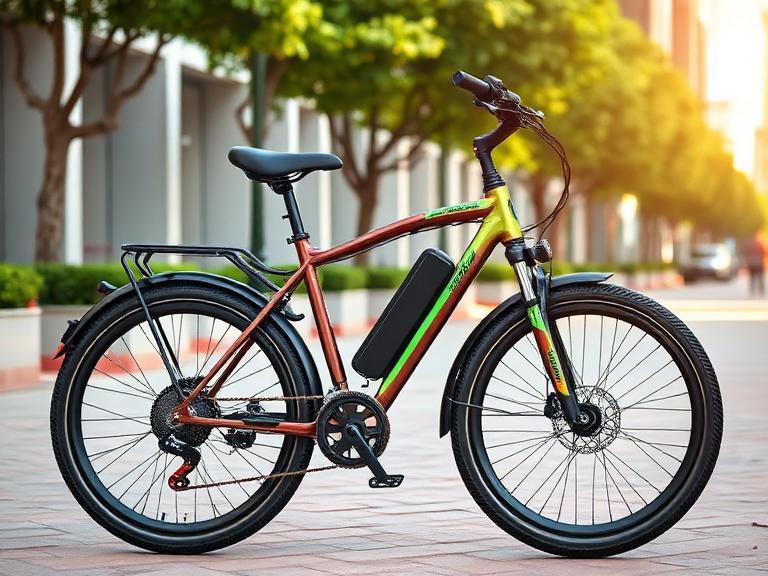
From our experience engineering and manufacturing premium power solutions at OHRIJA, we see consumers making the same fatal mistake every day: spending PKR 150,000 on an electric bike, only to destroy its battery within three months by using a substandard, unbranded PKR 1,500 charger bought from a local bazaar. A charger is not just a cable; it is the vital power management system that dictates the lifespan of your vehicle.
In this comprehensive guide, we break down exactly what dictates the battery charger bike price in Pakistan today, how to separate dangerous electronics from professional-grade equipment, and whether upgrading to a smart charger is actually worth the investment.
Quick Answer: What is the Battery Charger Bike Price in Pakistan?
In 2026, the battery charger bike price in Pakistan ranges from PKR 2,500 to PKR 18,000+ depending on the technology and voltage. Basic 48V lead-acid chargers cost between PKR 2,500 and PKR 4,500. Standard lithium-ion chargers (48V to 72V) range from PKR 6,000 to PKR 9,500. Premium, aluminum-cased smart chargers with active cooling and auto-cutoff features (highly recommended for lithium and LiFePO4 batteries) cost between PKR 10,000 and PKR 18,000. We recommend completely avoiding chargers under PKR 4,000 for lithium setups, as they lack the mandatory BMS communication and thermal protections.
Table of Contents
- 1. Quick Summary Table: 2026 Price Breakdown
- 2. What It Is and How Smart Charging Works
- 3. The Benefits of Investing in a Premium Charger
- 4. Limitations of Cheap Bazaar Chargers
- 5. Who Should Upgrade Their Charger?
- 6. Common Charging Mistakes to Avoid
- 7. Pros and Cons: Smart vs. Dumb Chargers
- 8. Comparison: Lead-Acid vs. Lithium Chargers
- 9. Professional Buying Considerations
- 10. OHRIJA Product Spotlight
- 11. Expert Recommendation
- 12. Frequently Asked Questions (FAQ)
- 13. Authoritative References
1. Quick Summary Table: 2026 Price Breakdown
To help you navigate the market, here is the current pricing structure across major Pakistani electronic markets (such as Hall Road in Lahore or Saddar in Karachi) versus professional OEM suppliers.
| Charger Category | Average Price Range (PKR) | Best Suited For |
|---|---|---|
| Basic Lead-Acid (48V 2A) | 2,500 – 4,500 | Older e-bikes, extreme budget constraints |
| Standard Lithium-Ion (48V/60V 3A) | 6,000 – 9,500 | Daily commuters, standard city e-bikes |
| Smart LiFePO4 / Lithium (72V 5A+) | 10,000 – 18,000+ | High-performance bikes, commercial delivery fleets |
| Fast Chargers (Aluminum Casing, Active Fan) | 14,000 – 25,000 | Heavy-duty applications, rapid turnaround needs |
2. What It Is and How Smart Charging Works
A modern e-bike charger is a highly sophisticated AC-to-DC power converter. Unlike the simplistic chargers of the past, a proper lithium or LiFePO4 charger utilizes a specialized algorithm known as CC/CV (Constant Current / Constant Voltage).
Here is how it works in most professional situations: When you plug in an empty battery, the charger enters the Constant Current (CC) phase. It pushes the maximum rated amperage (e.g., 5 Amps) into the battery to restore bulk capacity quickly. Once the battery reaches about 80% to 90% capacity, the internal voltage peaks. The charger then automatically switches to the Constant Voltage (CV) phase, holding the voltage steady while slowly tapering off the current until it reaches zero. This prevents the sensitive lithium cells from overcharging and entering thermal runaway.
3. The Benefits of Investing in a Premium Charger
When clients ask us if paying a premium battery charger bike price is actually worth it, we point directly to battery replacement costs. An e-bike battery in Pakistan easily costs upwards of PKR 60,000 to PKR 120,000. Protecting that investment requires quality hardware.
- Extended Battery Life: Precision voltage cutoff prevents micro-overcharging, which is the primary cause of cell degradation and “puffy” batteries.
- Thermal Protection: Quality chargers feature aluminum alloy casings and active cooling fans. If you are wondering why does my charger get hot, it is usually because cheap plastic chargers cannot dissipate the heat generated during the AC/DC conversion process.
- Short Circuit & Reverse Polarity Protection: If you accidentally plug the charger in incorrectly or if a power surge hits the local grid (a common occurrence in Pakistan), a smart charger will sacrifice its internal fuse rather than frying your e-bike.
4. Limitations of Cheap Bazaar Chargers
The local markets are flooded with generic, unbranded plastic chargers. While the initial battery charger bike price is appealingly low, the limitations are severe and dangerous.
In our testing, we have found that many budget chargers do not actually stop charging when the light turns green. They continue to trickle charge the lithium cells. Lithium chemistry cannot absorb an overcharge; the excess energy converts directly into heat, leading to cell venting or catastrophic fires. Furthermore, these units lack adequate heatsinks, significantly reducing their operational lifespan in the intense summer heat of Pakistan.
5. Who Should Upgrade Their Charger?
For commercial users: Food delivery riders and courier services who rely on their e-bikes for income must upgrade to an aluminum-cased, fan-cooled smart charger. The continuous cycle of draining and fast-charging requires heavy-duty thermal management. If you operate an older scooter, upgrading to one of the best portable scooter battery chargers will drastically reduce downtime.
For beginners: If you just purchased your first e-bike and it came with a lightweight, unbranded plastic charger, we strongly recommend replacing it immediately. Factory-supplied chargers on budget e-bikes are notorious for having a high failure rate.
6. Common Charging Mistakes to Avoid
Buying the right charger is useless if you apply the wrong charging practices.
- Mixing Voltages: A frequent question we receive is, can I charge a 36V battery with 12V charger? The answer is absolutely not. The voltage of the charger must perfectly match the peak voltage requirements of your battery pack.
- Ignoring Battery Chemistry: Lead-acid, Lithium-ion, and LiFePO4 all have different charging algorithms. If you ask, can lithium charger charge LiFePO4 battery, the technical answer is that it is highly dangerous. The voltage cut-offs are different, and using the wrong profile will permanently damage the cells.
- Charging Immediately After Riding: Never plug your bike in the moment you finish a long ride in the summer heat. Let the battery cool down for at least 30 minutes. If you want to know the exact protocols, review our guide on how to charge eBike battery safely.
7. Pros and Cons: Smart vs. Dumb Chargers
| Premium Smart Chargers (e.g., OHRIJA) | Budget “Dumb” Chargers |
|---|---|
| Pro: Exact voltage cutoff prevents battery fires. | Pro: Very low initial purchase price. |
| Pro: Aluminum casing acts as a massive heatsink. | Pro: Readily available in any local electronics market. |
| Pro: Extends overall battery lifespan by 20-30%. | Con: Often trickle-charges lithium, causing severe damage. |
| Con: Higher upfront investment. | Con: Prone to melting or failing during power fluctuations. |
8. Comparison: Lead-Acid vs. Lithium Chargers
The Pakistan market is currently transitioning from older lead-acid e-bikes to modern lithium equivalents. You cannot use the same charger for both. If you are upgrading your bike to a lithium pack, you must buy a dedicated charger. For instance, if you are running a high-power setup, exploring the best lithium ion battery charger 48V options is essential to ensure you are getting a true CC/CV profile.
Expert Insight: We frequently see users trying to troubleshoot charging failures caused by mismatched equipment. If you are dealing with a dead unit, understanding how to troubleshoot a 12V battery charger will reveal that the internal fuse usually blows to protect the bike from a mismatched voltage surge.
9. Professional Buying Considerations
Before you accept the first battery charger bike price quoted to you by a retailer, verify these four criteria to ensure you are buying professional-grade equipment.
| Consideration | What to Look For | Why It Matters |
|---|---|---|
| Output Amperage | 2A, 3A, or 5A depending on your battery capacity (Ah). | A 5A charger charges faster but generates more heat. Ensure your battery BMS can handle the higher current. |
| Casing Material | Extruded Aluminum Alloy. | Plastic traps heat. Aluminum dissipates it, essential for the hot climate in Pakistan. |
| Chemistry Match | Clear labels for Li-ion, LiFePO4, or Lead-Acid. | If you have a LiFePO4 pack, you strictly need one of the best LiFePO4 battery chargers 2025 to match the exact 3.65V per cell cutoff. |
| Connector Type | XLR, GX16, or DC 5.5mm. | Splicing wires to make a charger fit is a major fire hazard. Buy the exact plug type your bike requires. |
10. OHRIJA Product Spotlight
For those building custom 12V setups, balancing vehicles, or upgrading light electric scooters, utilizing an industrial-grade charger is non-negotiable. At OHRIJA, we engineer chargers that prioritize thermal stability and precision voltage delivery.
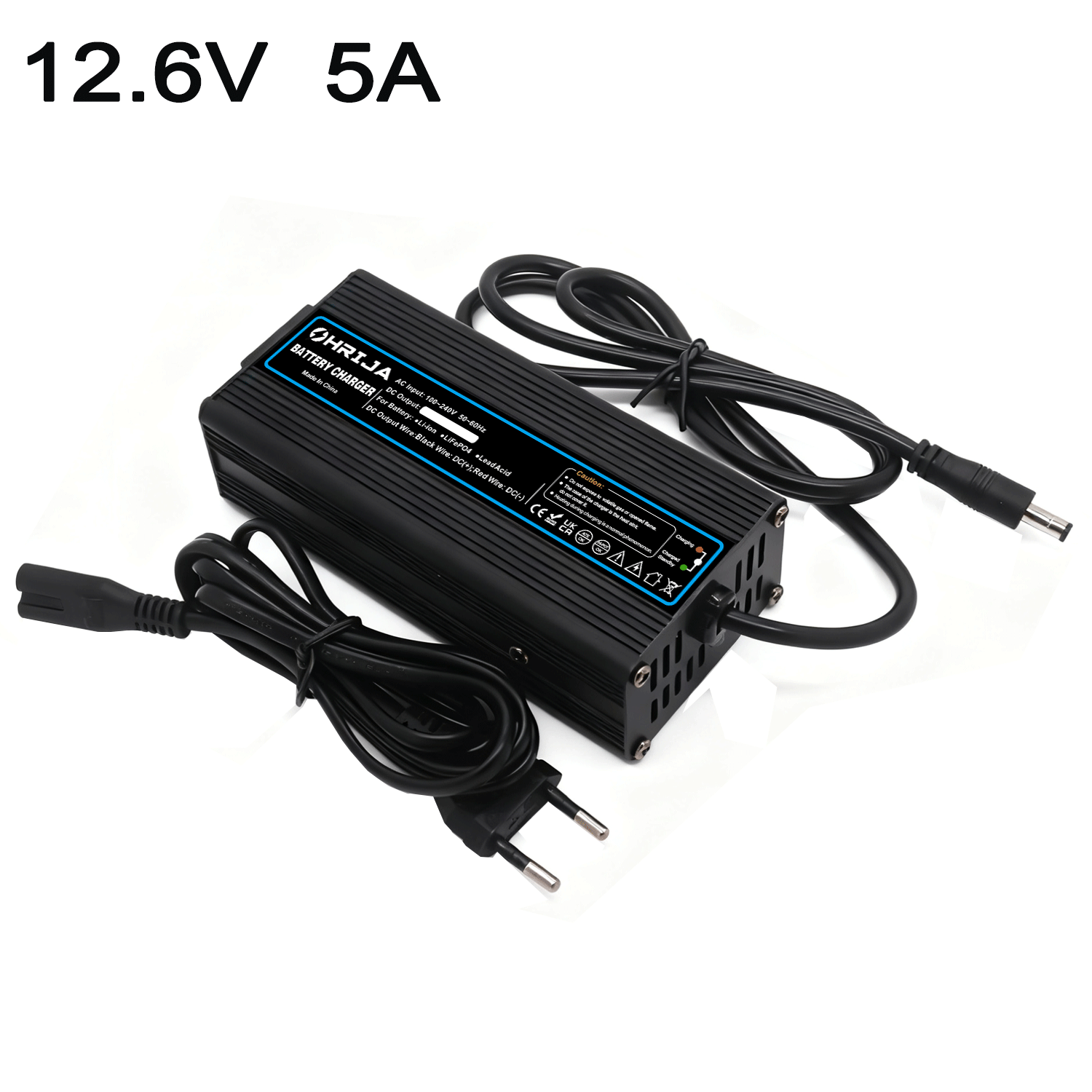
OHRIJA 12.6V 5A Aluminum Alloy Lithium Battery Charger
Engineered for 3 Series 12V Lithium Batteries, this unit is designed to replace the cheap plastic chargers that plague the light EV market.
- Voltage & Output: 12.6V ±0.2V | Maximum 5Amp ±0.2A
- Material: Heavy-duty Aluminum Alloy for superior heat dissipation
- Applicable Battery: 4S 12V lithium-ion systems
- Working Power: Maximum 110W
- Output Connectors: Support for DC5.5*2.1, DC5.5*2.5, GX16 1+3-, XLR, IEC C13, and customized OEM plugs.
This unit represents the pinnacle of compact, fast, and thermally stable charging for 12V systems. (If you are running higher voltage recreational vehicles, we also manufacture the best golf cart battery chargers 48V on the market).
11. Expert Recommendation
We recommend entirely ignoring the lowest battery charger bike price you find in the market. The upfront savings of PKR 3,000 will inevitably cost you a PKR 80,000 battery replacement within the year.
If you own an e-bike in Pakistan in 2026, you must view your charger as an investment in the vehicle’s longevity. For heavy-duty applications, commercial riders, and daily commuters, only purchase aluminum-cased smart chargers with built-in cooling fans and exact CC/CV algorithm matching for your specific battery chemistry. OHRIJA chargers are engineered to meet these strict specifications, ensuring your battery reaches its maximum designed cycle life without risking thermal failure.
12. Frequently Asked Questions (FAQ)
Why are some e-bike chargers so cheap in Pakistan?
Cheap chargers strip out essential safety components. They remove the aluminum heatsink, the active cooling fan, and the microcontroller that stops the charging process when the battery is full. This drastically lowers the price but creates a massive fire hazard.
How do I know if my charger is a smart charger?
A true smart charger will have a physical relay switch (you will hear a click when it finishes charging), it will actively taper the amperage down as the battery reaches 100%, and it will completely cut power rather than continuously trickle-charging.
Does a 5A charger damage my e-bike battery compared to a 2A charger?
It depends on your battery’s BMS (Battery Management System). A 5A charger will charge the bike much faster, but if your battery capacity is very small (under 10Ah), a 5A charge rate might generate too much internal heat. Always check your battery manufacturer’s maximum charge rate specifications.
Authoritative References:
- Battery University (Cadex Electronics) – Comprehensive technical guidelines on the Constant Current/Constant Voltage (CC/CV) charging algorithms required for lithium-ion cell longevity.
- IEEE Xplore Digital Library – Peer-reviewed engineering standards on battery thermal management and the catastrophic risks of overcharging in light electric vehicles.
- National Fire Protection Association (NFPA) – Safety standards regarding the severe fire hazards associated with uncertified, aftermarket e-bike chargers and lithium-ion thermal runaway.