
No products in the cart.

Direct Answer: Yes. In most professional situations, putting lithium batteries in a golf cart is the single most valuable upgrade you can perform. Converting from outdated lead-acid technology to a modern Lithium Iron Phosphate (LiFePO4) system eliminates routine maintenance, reduces the weight of your cart by up to 300 pounds, and provides consistent voltage without slowing down on hills. While the upfront cost is higher, a lithium pack lasts 8 to 12 years (compared to 3 to 5 years for lead-acid), making the 10-year total cost of ownership significantly lower.
For decades, the golf cart industry has been shackled by the physical limitations of deep-cycle lead-acid batteries. Cart owners have spent countless hours checking water levels, cleaning acid corrosion off terminals, and replacing heavy, failing battery banks every few years. As battery technology has advanced, a massive shift has occurred in the commercial and consumer markets. Today, asking whether it is worth putting lithium batteries in a golf cart is akin to asking if it is worth upgrading from a dial-up modem to broadband internet.
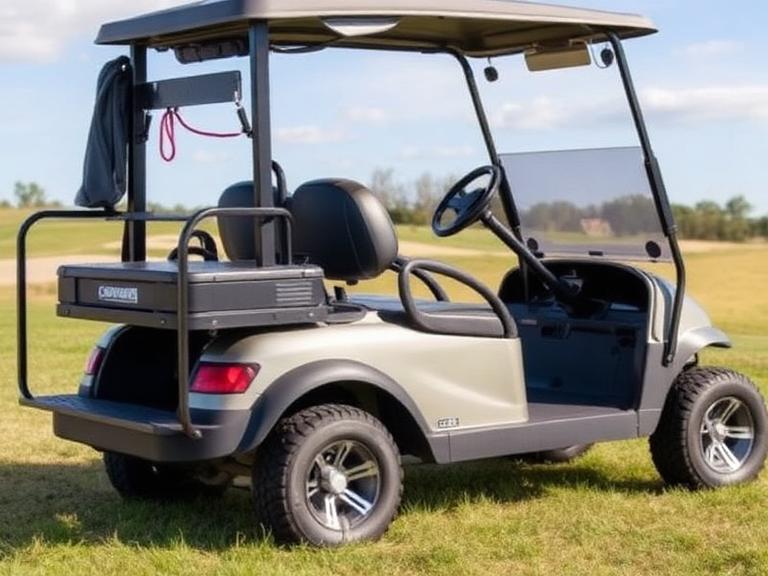
From our experience as power supply and charging technology experts, we see cart owners routinely wasting capital on outdated lead-acid systems simply because they are intimidated by the initial cost of a lithium conversion. In this uncompromising guide, we will strip away the marketing jargon and use commercial and practical judgment to explain the exact mechanics, costs, and charging protocols required for this upgrade. We will detail not only what the conversion entails, but whether it is actually worth your time and money.
Quick Answer: The Bottom Line on Lithium Upgrades
- Lifespan: Lead-acid lasts 300 to 500 cycles. Lithium lasts 2,000 to 3,000+ cycles. You buy lithium once; you buy lead-acid three times.
- Weight Reduction: Stripping out six 8-volt lead-acid batteries and replacing them with a single 48V lithium pack drops your cart’s weight by roughly 200 to 300 pounds, saving your suspension and improving acceleration.
- Zero Maintenance: No adding distilled water, no cleaning acid spills, and no winterizing trickles.
- The Catch: You cannot use your old charger. Lithium batteries require specialized charging profiles. Putting lithium batteries in a golf cart mandates purchasing a dedicated LiFePO4 charger.
Table of Contents
- What It Is: The Lithium Conversion Process
- How It Works: BMS and Energy Density
- The Unmatched Benefits of Lithium
- Limitations and Drawbacks
- Who Should Make the Switch
- Who Does Not Need a Lithium Upgrade
- Common Mistakes During Conversion
- Expert Buying Considerations
- Expert Recommendation
- Essential Comparison Tables
- Frequently Asked Questions (FAQ)
What It Is: The Lithium Conversion Process
Putting lithium batteries in a golf cart involves removing the entire bank of traditional flooded lead-acid (FLA) or Absorbent Glass Mat (AGM) batteries and replacing them with a modern Lithium Iron Phosphate (LiFePO4) battery system. Most traditional 48-volt carts utilize six heavy 8-volt batteries wired in series. A lithium conversion replaces this array with either a single 48V lithium pack or two to three smaller 48V lithium modules wired in parallel.
This is not a simple “plug-and-play” swap where you retain all your old equipment. A proper conversion requires replacing the battery tie-downs, upgrading the battery cables to handle sustained high-amperage output, and, most critically, integrating a specialized charging unit. If you browse any professional LiFePO4 battery charger category, you will notice these units are engineered to deliver a highly specific Constant Current / Constant Voltage (CC/CV) charging profile that lead-acid chargers simply cannot replicate.
How It Works: BMS and Energy Density
To understand why putting lithium batteries in a golf cart is superior, you must understand the hardware governing the chemistry. Every commercial-grade lithium golf cart battery contains an internal computer known as a Battery Management System (BMS). The BMS is the brain of the battery. It constantly monitors individual cell voltages, regulates temperature, and prevents the pack from overcharging or completely draining—actions that would destroy the chemistry.
In standard lead-acid setups, as the battery depletes, the voltage sags dramatically. This is why your golf cart slows down to a crawl when climbing a hill with a half-empty battery. LiFePO4 batteries have a flat discharge curve. They deliver maximum voltage and full power until they are 95% depleted. The motor receives consistent amperage, ensuring top speed and torque regardless of how much juice is left in the tank.
The Unmatched Benefits of Lithium
We recommend a lithium conversion strictly based on the operational data. The benefits are impossible to ignore for commercial users and daily drivers alike.
- Financial Payback: The 10-year cost of lead-acid (including three replacement cycles) easily exceeds $3,000. A single lithium conversion costs roughly $2,000 to $3,000 and lasts the entire decade.
- Massive Weight Reduction: Dropping up to 300 pounds of dead weight from the chassis improves turf protection, extends tire life, and significantly increases top-end speed.
- Rapid Charging: Traditional batteries take 8 to 12 hours to charge. A proper lithium setup paired with a high-output charger can reach full capacity in 2 to 4 hours.
- Increased Resale Value: Putting lithium batteries in a golf cart is an investment. In secondary markets, carts with documented lithium conversions command $1,500 to $2,500 more than identical models with lead-acid packs.
Limitations and Drawbacks
We must apply commercial and practical judgment: lithium conversions are not flawless. The absolute biggest hurdle is the initial capital expenditure. Writing a check for $2,500 upfront is painful, even if the long-term math justifies it.
Furthermore, lithium batteries are highly sensitive to freezing temperatures. While you can discharge them in the cold, charging a LiFePO4 battery below 32°F (0°C) without internal heating elements causes irreversible lithium plating inside the cells, permanently destroying the battery. If you store your cart outdoors in northern climates, you must purchase premium self-heating packs or remove the battery entirely during winter.
Who Should Make the Switch
For commercial users: Golf course fleet managers, security patrols, and property management teams absolutely must transition. The labor hours saved by eliminating battery watering and terminal cleaning alone justify the expense.
For heavy-duty applications: If you have a lifted cart, oversized off-road tires, or a rear seat kit for four passengers, the strain on a lead-acid battery is immense. Putting lithium batteries in a golf cart gives the motor the sustained amperage needed to move heavy loads over rugged terrain without stalling.
Who Does Not Need a Lithium Upgrade
For casual users on a dying cart: If your golf cart’s chassis is rusted, the motor is grinding, or the controller frequently faults, do not invest $3,000 in a new lithium battery. From our experience, when the total repair bill exceeds $5,000, you are better off selling the cart for parts and buying a brand new, factory-equipped lithium cart with a comprehensive warranty. Furthermore, if you only drive your cart three times a year on flat pavement, the 10-year ROI on a lithium pack may not make sense for your budget.
Common Mistakes During Conversion
In our testing and customer support channels, the most catastrophic mistake owners make when putting lithium batteries in a golf cart is attempting to reuse their old lead-acid charger. Lead-acid chargers utilize a multi-stage profile that includes a “float” or “trickle” charge. Trickle charging a lithium battery will force it into thermal runaway or severely degrade its capacity within a year. You must isolate and remove the old charging algorithms. If you are struggling with power supply issues, understanding how to troubleshoot a 12V battery charger or a 48V system is critical before plugging into a fresh lithium pack.
Expert Buying Considerations
When selecting a lithium conversion kit, you must scrutinize the technical specifications:
- Amp-Hour (Ah) Capacity: Do not buy anything under 60Ah. For a standard 18-hole round or basic neighborhood driving, 100Ah is the gold standard. If you have a lifted cart or drive long distances, look for 105Ah to 150Ah packs.
- Continuous Discharge Rating: The BMS must be able to output at least 100 to 200 amps continuously. If you buy a cheap battery with a 50-amp limit, the BMS will shut the cart down the second you accelerate up a steep hill.
- Charger Compatibility: You need a charger that matches the exact voltage and chemistry of your new pack. Sourcing from a reliable electric bicycle charger supplier or golf cart charger manufacturer guarantees safe, rapid replenishment.
Expert Recommendation
The OHRIJA Standard for Power Delivery
Recommended products
-1024x1024.jpg "Is it Worth Putting Lithium Batteries in a Golf Cart? 2")
Intelligent adjustable voltage and current charger 9.6 – 88.2V 2 – 20A high-power DC adjustable power supply charger with digital display, constant current and constant voltage automatic switching. Suitable for lithium batteries / lead-acid batteries / batteries.
49.90$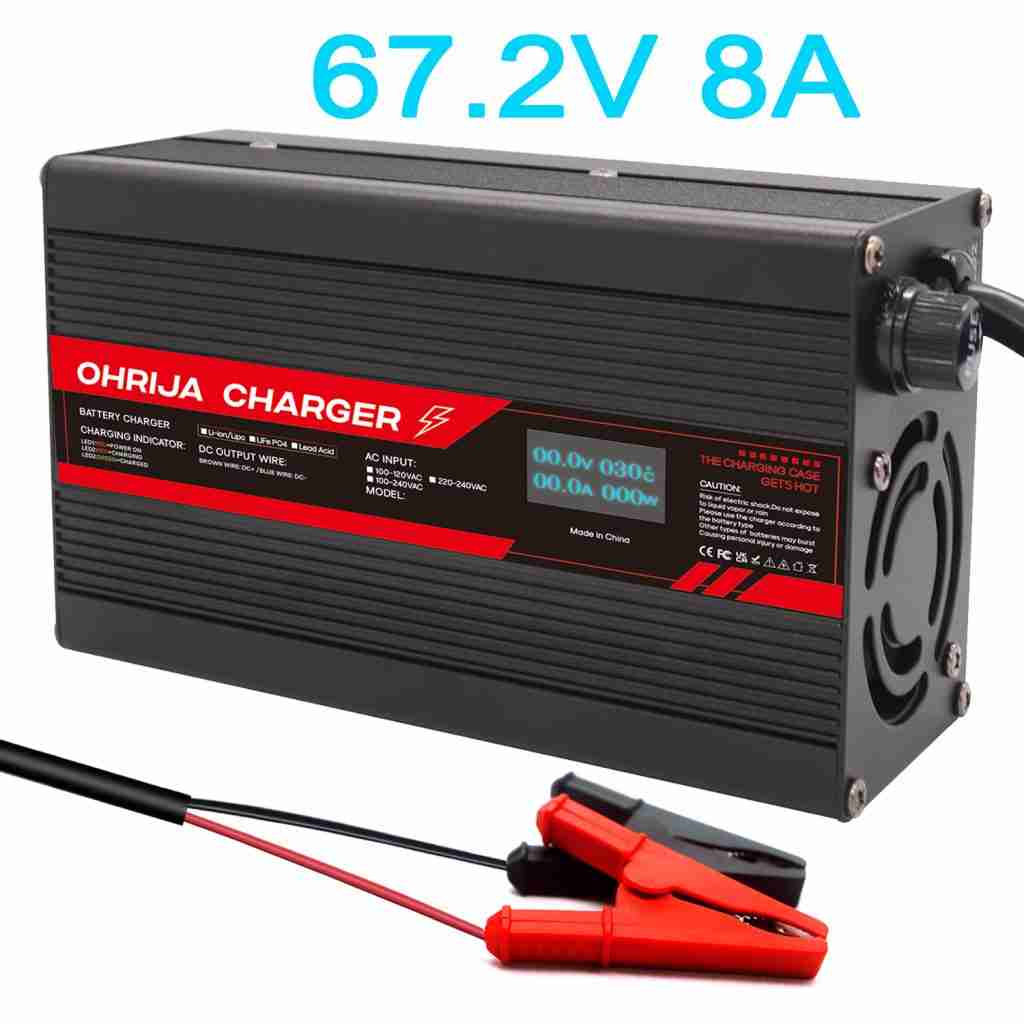
OHRIJA battery charger for lithium batteries 67.2V 8A OLED charger makes it suitable for 16S 60V Li-ion batteries
Price range: 40.50$ through 45.50$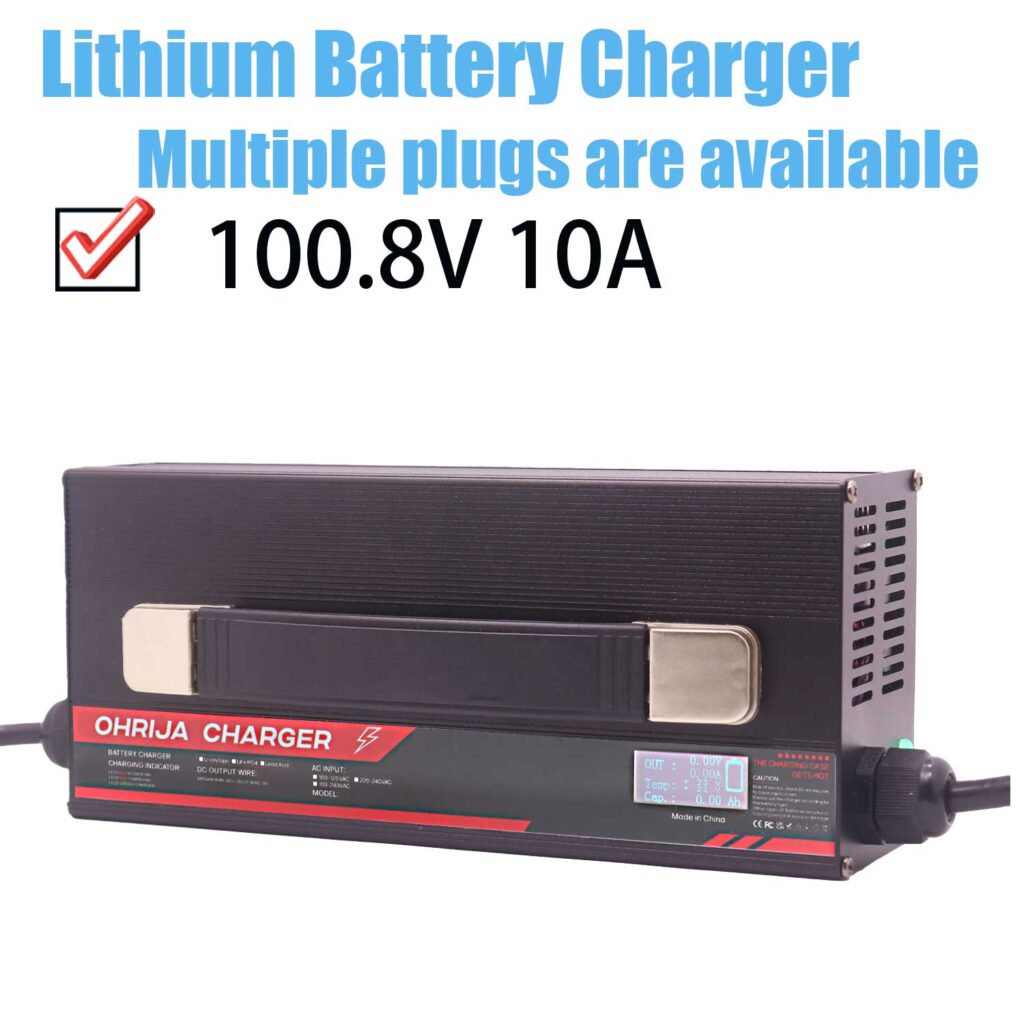
OHRIJA 100.8v lithium ion battery charger 100.8V 10A charger makes it suitable for 24S 88.8V Li-ion Battery Chargers
49.90$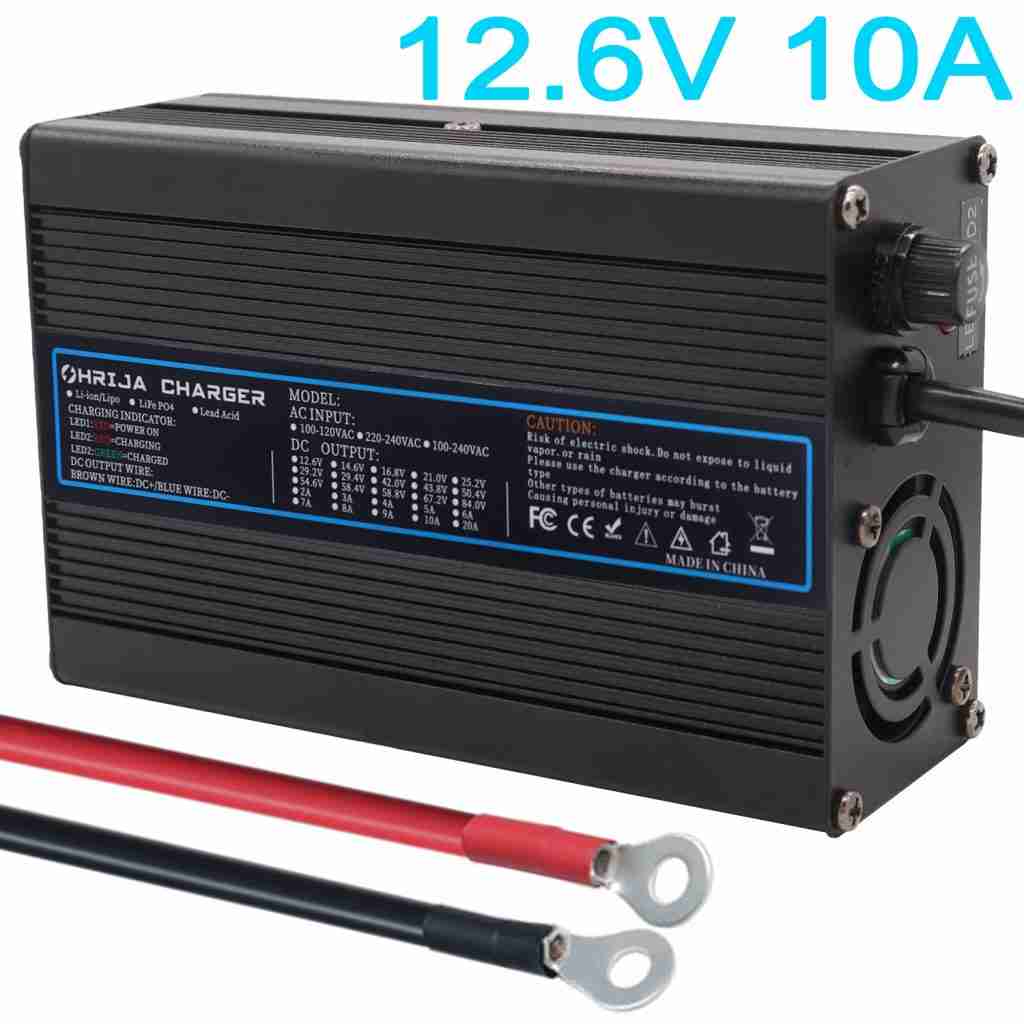
OHRIJA 12 volt lithium battery charger 12.6V 10A charger
17.50$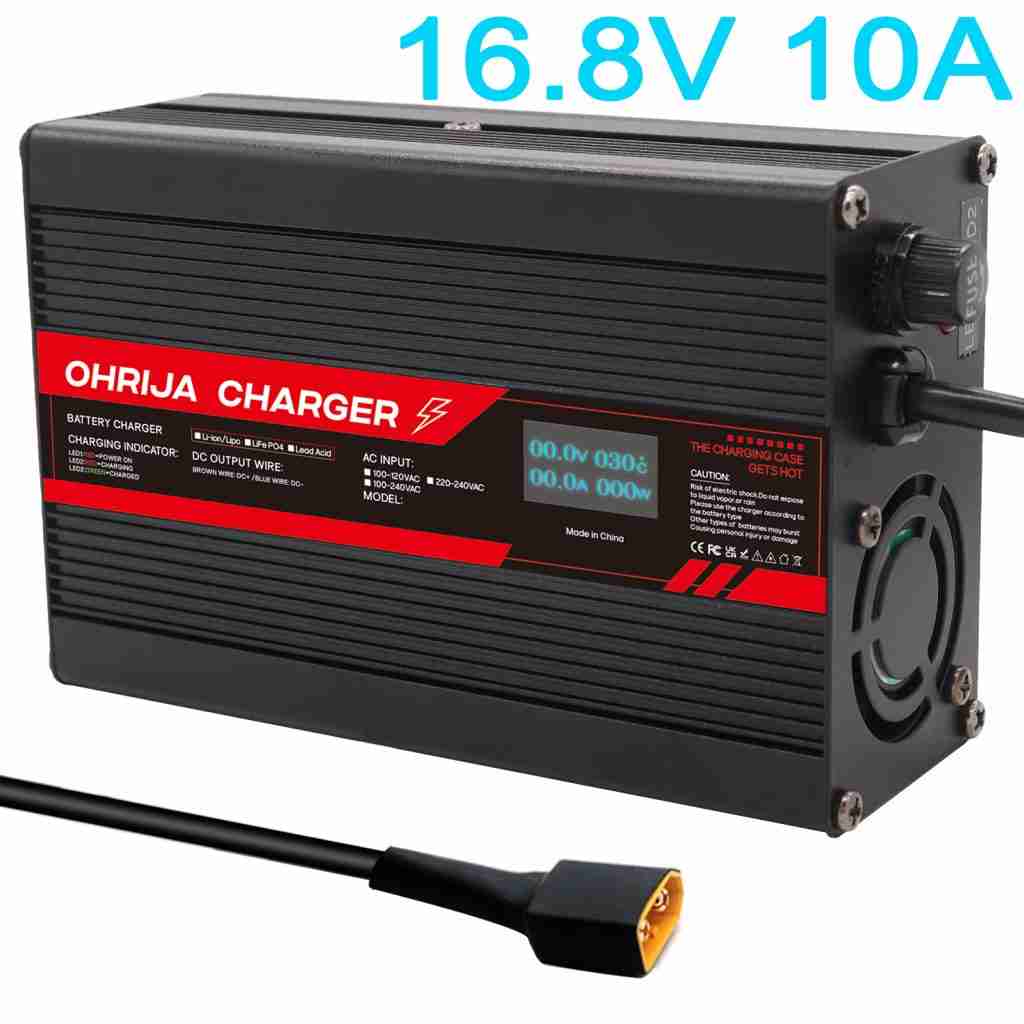
OHRIJA 12 volt lithium battery charger 16.8V 10A OLED charger makes it suitable for 4S 14.8V Li-ion batteries
20.50$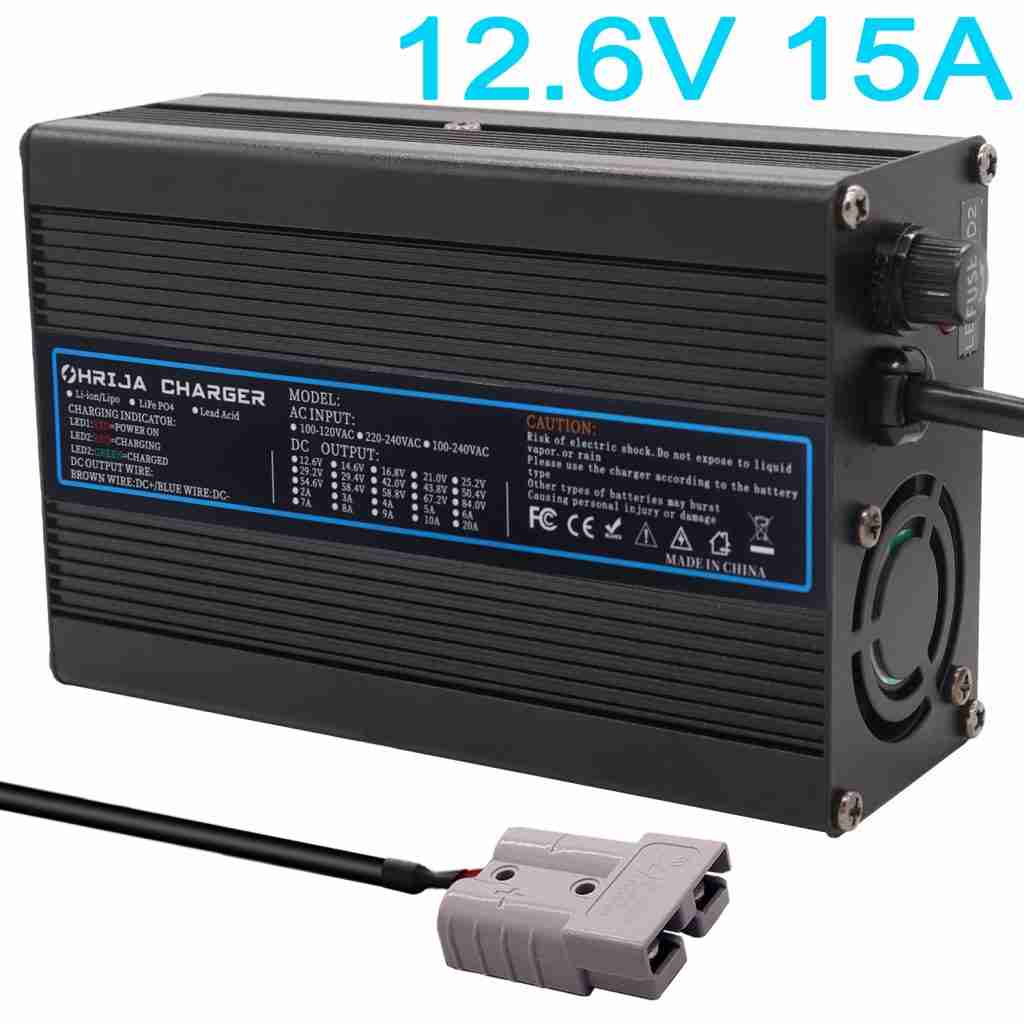
OHRIJA 12 volt lithium ion battery charger 12.6V 15A charger makes it suitable for 3S 12V Li-ion batteries
21.50$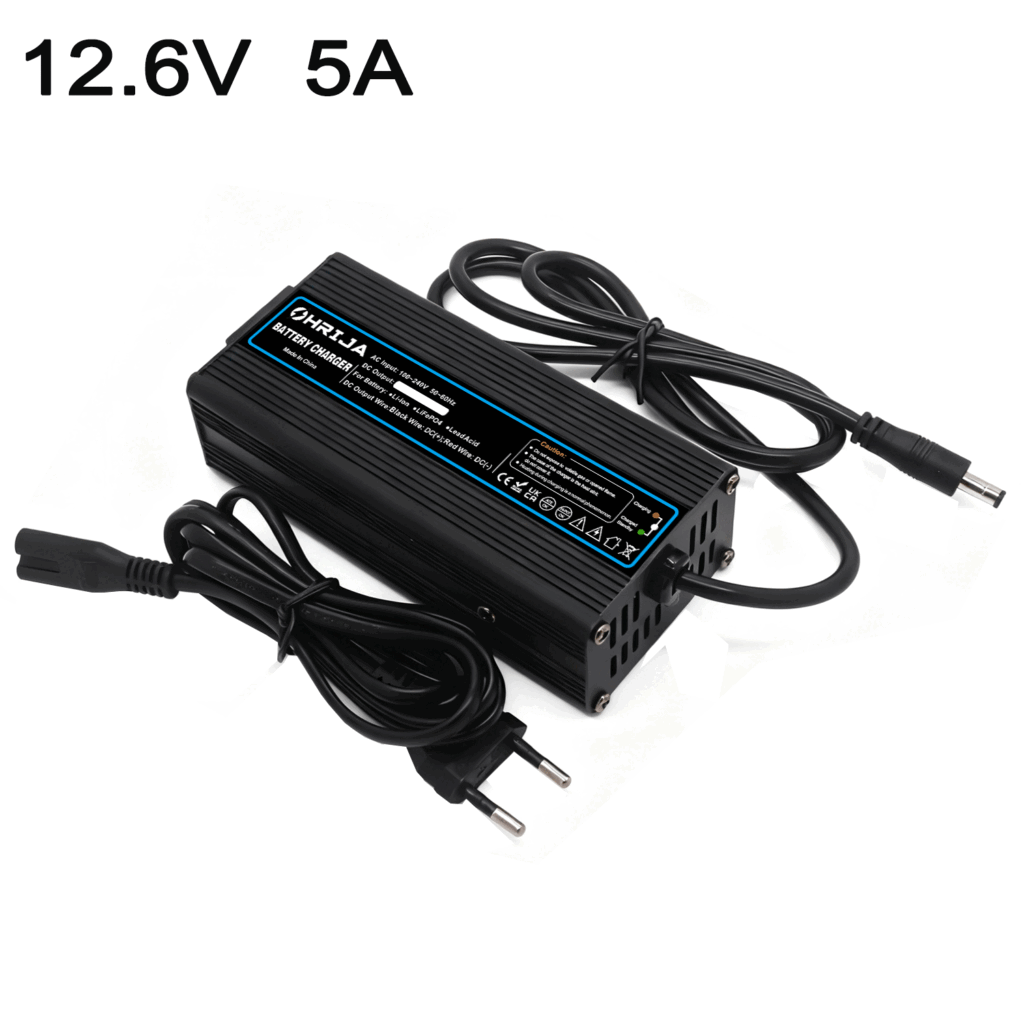
OHRIJA 12.6V 5A Aluminum Alloy Lithium Battery Charger for 12V Electric Scooter/Balancing Vehicle/Electric Vehicle (3 Series 12V Lithium Battery)
14.90$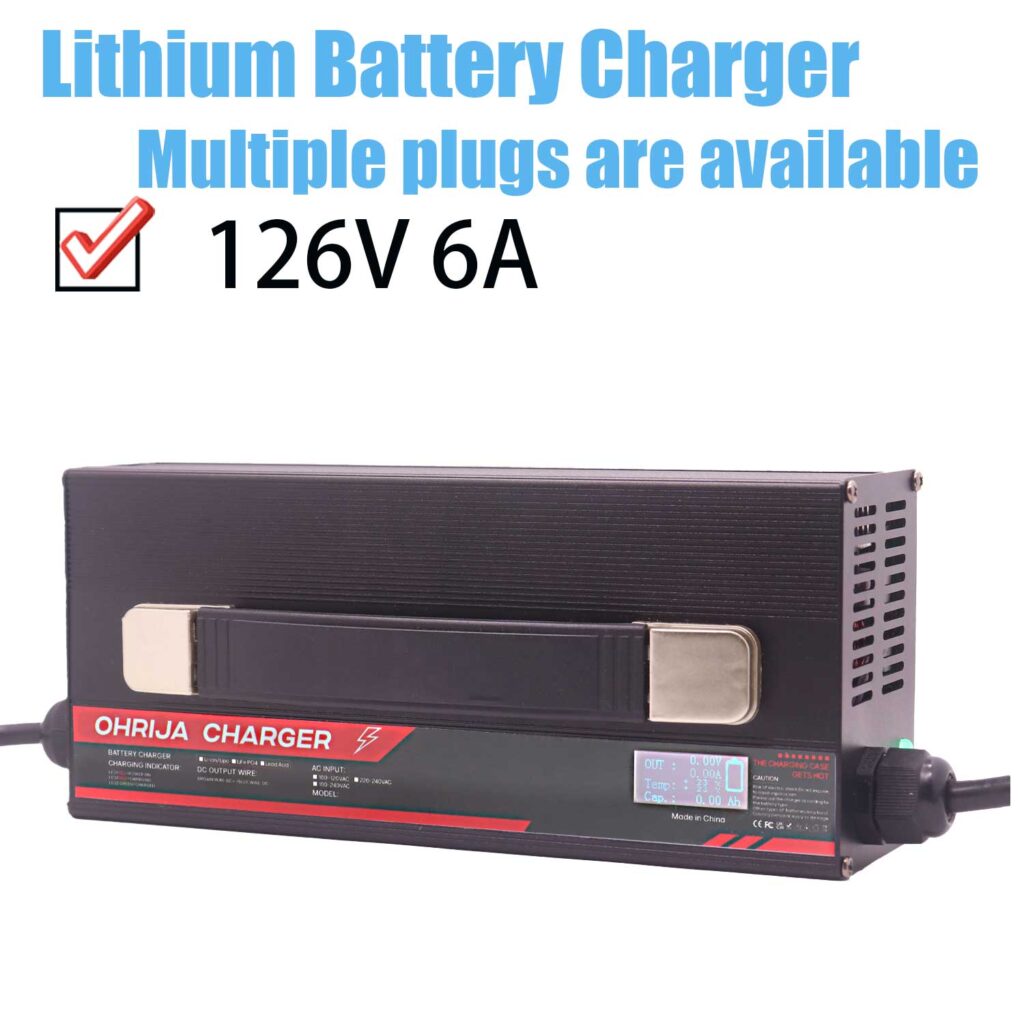
OHRIJA 126v lithium ion battery charger 126V 6A charger makes it suitable for 30S 111V Li-ion Battery Chargers
49.90$
Is it actually worth using lithium? Yes, unequivocally. However, a premium battery is completely worthless without a precision charging system. Poor charging habits are the number one killer of lithium cells.
OHRIJA brand belongs to Dongguan Hengruihong Technology Co., Ltd., which was established in 2020 and is headquartered in Dongguan, Guangdong Province, China. Our company is a high-tech enterprise integrating R&D, production and sales. The company’s main products: lithium battery charger, lithium iron phosphate battery charger, lead-acid battery charger, golf cart charger, power adapter, switching power supply and other products.
If you are executing a 48V conversion, we strongly advise pairing your new pack with specialized equipment. Whether you are seeking a Li-ion battery charger category solution or a massive 12V LiFePO4 battery charger 30A for parallel banks, utilizing factory-direct OHRIJA hardware ensures your BMS operates flawlessly, maximizing your 10-year investment.
Essential Comparison Tables
| Factor | Lead-Acid (Status Quo) | Lithium LiFePO4 (Upgrade) |
|---|---|---|
| Initial Cost | $800 – $1,500 | $1,800 – $3,500 |
| Lifespan | 3 – 5 Years | 8 – 12 Years |
| Maintenance | High (Watering, Corrosion) | Zero (Sealed System) |
| Weight | 250 – 350 lbs | 50 – 80 lbs |
| Metric | Standard Lead-Acid | Lithium Conversion |
|---|---|---|
| Voltage Sag (Hill Climbing) | Severe. Cart slows down as battery drains. | Minimal. Full power until 5% capacity. |
| Charge Time | 8 to 12 Hours. | 2 to 4 Hours. |
| Partial Charging | Damages battery memory. Must fully charge. | Encouraged. Excellent for “top-off” charging. |
| Energy Efficiency | Loses 15-20% of energy as heat during charge. | Loses only 5% of energy during charge. |
| Pros (Why it is worth buying) | Cons (Limitations to consider) |
|---|---|
| Massive 10-year cost savings by eliminating replacement cycles. | High initial capital expenditure required. |
| Dramatically lighter cart improves acceleration, braking, and turf protection. | Cannot charge the battery if the ambient temperature is below 32°F (0°C). |
| Built-in BMS protects against short circuits and overcharging. | Requires immediate disposal of perfectly functioning old chargers. |
| Adds significant resale value to the golf cart in the secondary market. | Complex installation process if the cart uses an older onboard computer (OBC). |
| Cart Usage Profile | Recommended Lithium Capacity | Why This Fits |
|---|---|---|
| Light Neighborhood Cruising | 60Ah – 80Ah | Cost-effective for short, flat trips. Plenty of range for 9 holes of golf. |
| Standard Daily Driving (18 Holes) | 100Ah – 105Ah | The industry standard. Balances upfront cost with excellent daily range. |
| Heavy Duty (Lifted, 4-Seater, Hills) | 150Ah – 200Ah+ | Provides the sustained continuous discharge amperage needed for heavy motors without tripping the BMS. |
Frequently Asked Questions (FAQ)
Can I use my old lead-acid charger on my new lithium golf cart battery?
No. In most professional situations, using a lead-acid charger on a lithium battery will cause catastrophic failure. Lead-acid chargers use a trickle or float charge mode that LiFePO4 chemistry cannot tolerate. You must use a dedicated lithium charger with the correct voltage cutoff, such as the 48V 10A eBike charger or a cart-specific equivalent.
Do I need to replace my stock motor controller for lithium?
Generally, no. Your stock motor controller will work perfectly fine with a new lithium battery setup, provided the nominal voltages match (e.g., a 48V battery for a 48V controller). However, you must ensure your chosen lithium pack has a high enough continuous discharge rating to satisfy the controller’s peak amp draw, otherwise, the cart will shut down during acceleration.
How do I store a lithium golf cart battery in the winter?
Unlike lead-acid, you should not leave your lithium battery plugged into a trickle charger all winter. Charge the battery to approximately 50-80% capacity, then disconnect the main terminals to prevent any parasitic draw from the cart’s electronics. Store the pack in an environment that stays above freezing if possible, and learn how to charge eBike battery safely and lithium cells after prolonged dormancy.
Authoritative Industry Standards & References
To further validate the safety, efficiency, and charging protocols of lithium-ion systems over legacy lead-acid technologies, we recommend consulting the following authoritative engineering and governmental bodies:
- Battery University – Comprehensive engineering data regarding the strict Constant Current / Constant Voltage (CC/CV) charging profiles required to safely replenish LiFePO4 cells without inducing thermal runaway.
- Institute of Electrical and Electronics Engineers (IEEE) – IEEE Standard 1625 establishes the rigorous safety and operational guidelines for Battery Management Systems (BMS) in multi-cell mobile computing and transportation applications.
- U.S. Department of Energy (DOE) – Detailed analysis on the energy density, longevity, and environmental efficiency of lithium-ion power storage versus traditional flooded lead-acid batteries in electric vehicles.