
No products in the cart.

From our experience engineering and manufacturing power solutions at OHRIJA—a high-tech enterprise based in Dongguan integrating R&D and production of advanced lithium and lead-acid chargers—we have witnessed the rapid evolution of electric mobility. A 48V 20Ah battery pack is the undisputed workhorse of the modern e-bike industry. It provides the ideal balance of voltage for high-torque hill climbing and amp-hour capacity for extended commuting range. However, an exceptional battery is practically useless without a precision-calibrated charger to maintain its chemical integrity.
In most professional situations, we see riders investing thousands of dollars into premium e-bikes, only to rely on the generic, cheap plastic 2A chargers included in the box. This not only results in agonizingly slow 10-hour charge times, but poor thermal management and inaccurate voltage cutoffs can degrade your expensive battery cells prematurely. In this comprehensive guide, we will break down the commercial and practical realities of charging technology, helping you navigate the market to find the absolute best electric bike chargers 48v 20ah to protect your investment.
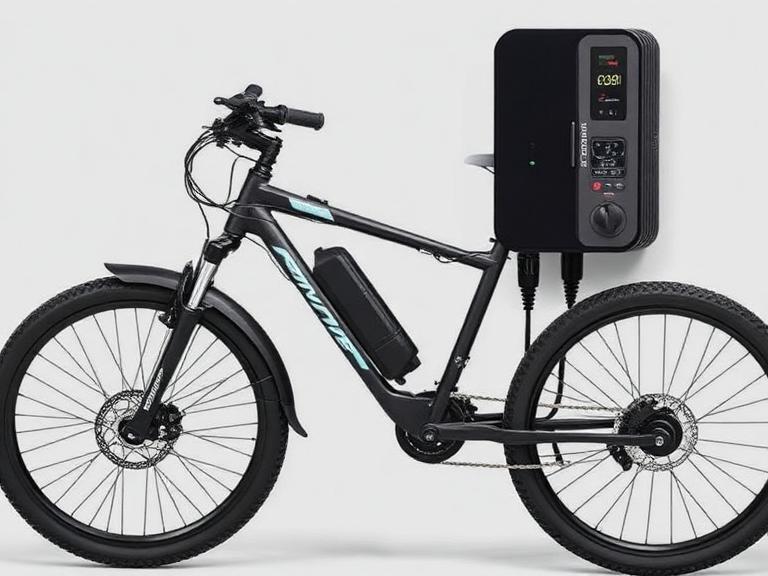
Quick Answer: What You Need to Know Immediately
If you are searching for the best electric bike chargers 48v 20ah, you must match the charger’s peak voltage strictly to your battery’s chemistry, and select an amperage that balances speed with battery longevity.
- For Lithium-ion (13S): You require a charger with a strict 54.6V cutoff.
- For LiFePO4 (16S): You require a charger with a strict 58.4V cutoff.
- Optimal Speed: For a 20Ah capacity battery, a 4A or 5A charger is the sweet spot. It charges the battery in 4 to 5 hours (a 0.2C to 0.25C charge rate), which is fast enough for daily commuting without causing excessive heat stress to the lithium cells.
Is it worth upgrading? Absolutely. Upgrading from a stock 2A plastic charger to a 5A aluminum-cased smart charger cuts your downtime by more than half, ensures safer thermal dissipation, and often features internal potentiometers to calibrate precise voltage limits.
Direct Answer: What Defines the Best Electric Bike Chargers 48V 20Ah?
The best electric bike chargers 48v 20ah are characterized by three critical engineering pillars: precise Constant Current/Constant Voltage (CC/CV) algorithms, robust thermal management (typically via an extruded aluminum alloy shell and intelligent active cooling fans), and multiple redundant safety protections including overvoltage, overcurrent, short-circuit, and reverse polarity safeguards. When finding the best 48V eBike battery chargers, you are looking for a device that safely delivers between 4 Amps and 5 Amps of continuous current, ensuring a fully depleted 20Ah battery reaches 100% capacity in approximately 4 to 5 hours.
Table of Contents
- Quick Summary Table: The Top 8 Models
- The 8 Best Electric Bike Chargers 48V 20Ah
- What It Is & How It Works
- The Benefits of Upgrading Your Charger
- Limitations of High-Speed Charging
- Comparison Table: Charge Times by Amperage
- Who Should Use It & Who Does Not Need It
- Pros and Cons Table: Fast vs Standard Chargers
- Common Mistakes When Buying and Charging
- Buying Considerations & Specifications
- Buying Guide Table
- Expert Recommendation from OHRIJA
- Frequently Asked Questions
Quick Summary Table: Top 8 Models
| Rank | Charger Category / Model Type | Output Voltage / Current | Best Use Case |
|---|---|---|---|
| 1 | OHRIJA Premium Aluminum Adjustable Charger | 54.6V / 5A | Best Overall for 48V 20Ah Lithium-ion packs. Features VR1/VR2 calibration. |
| 2 | OHRIJA Dedicated LiFePO4 Smart Charger | 58.4V / 5A | Best for 16S Lithium Iron Phosphate (LiFePO4) chemistries. |
| 3 | Compact Commuter Travel Charger | 54.6V / 4A | Best balance of portability and fast charging for daily office commuters. |
| 4 | Heavy-Duty Commercial Fleet Charger | 54.6V / 10A | Best for heavy-duty applications (delivery bikes). Charges 20Ah in 2 hours. |
| 5 | Standard Aluminum Overnight Charger | 54.6V / 2A | Best for beginners prioritizing maximum battery lifespan via slow charging. |
| 6 | Universal Multi-Connector Charging Station | 54.6V / 4A | Best for households with multiple e-bikes requiring XT60, Anderson, or XLR pins. |
| 7 | IP65 Waterproof On-Board Charger | 54.6V / 5A | Best for off-road, marine, or extreme weather environments. Fully sealed. |
| 8 | Digital OLED Display Smart Charger | 54.6V / 5A | Best for tech enthusiasts needing real-time voltage and amperage telemetry. |
The 8 Best Electric Bike Chargers 48V 20Ah: Detailed Breakdown
When searching for the best eBike battery chargers 2026 has to offer, the market is flooded with varying qualities of electronics. We have categorized the top 8 solutions based on practical utility, engineering quality, and commercial reliability.
1. OHRIJA Premium Aluminum Adjustable Charger (54.6V 5A)
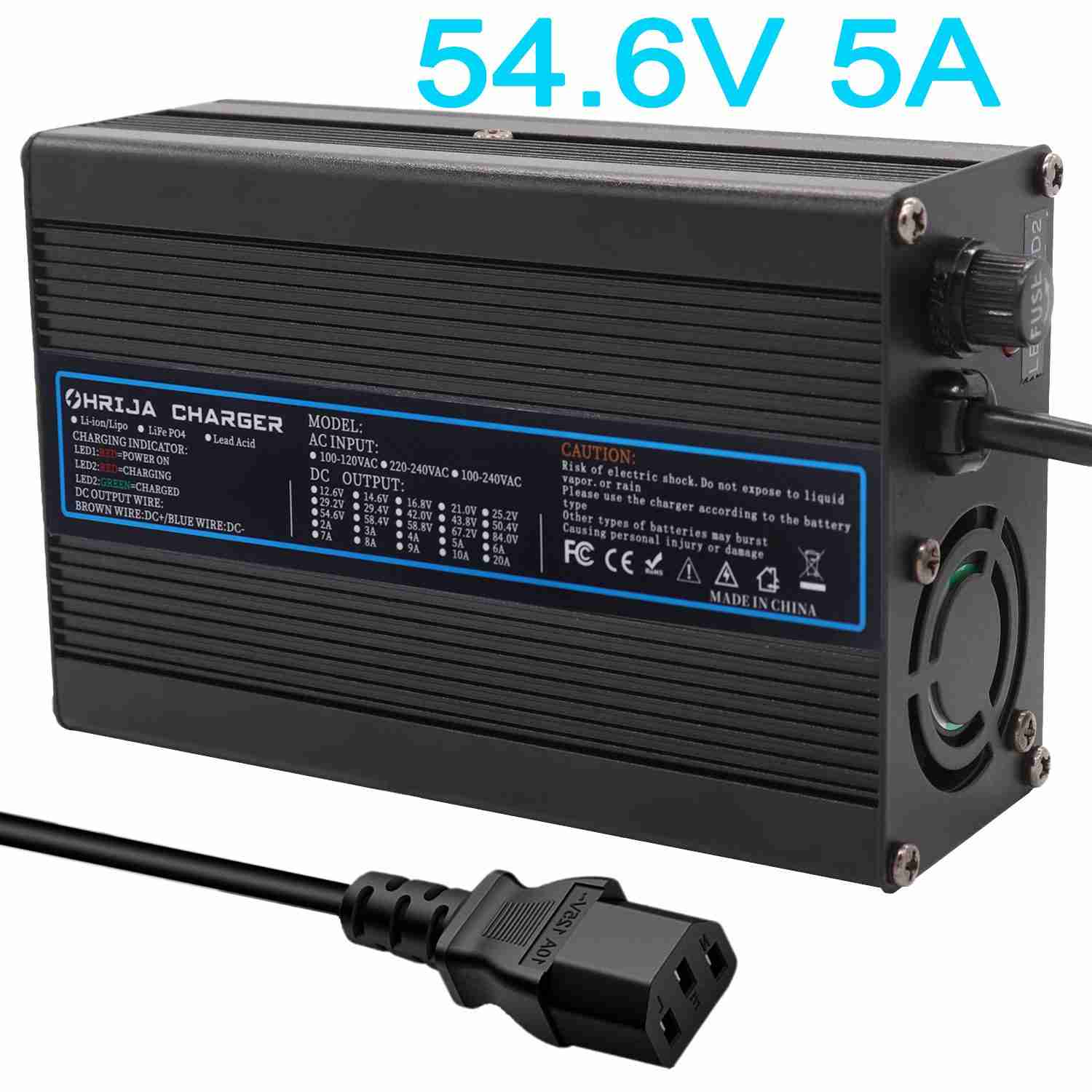
We recommend this as the ultimate solution for a standard 13S Lithium-ion 20Ah battery. What sets OHRIJA apart is our aerospace-grade aluminum alloy casing which acts as a passive heatsink, combined with intelligent active cooling fans. Crucially, this unit features internal adjustable potentiometers (VR1 and VR2), allowing technicians to manually calibrate the exact voltage cutoff and current output, ensuring flawless pairing with your specific battery management system (BMS). If you need the best lithium ion battery charger 48V, this is the industry benchmark.
2. OHRIJA Dedicated LiFePO4 Smart Charger (58.4V 5A)
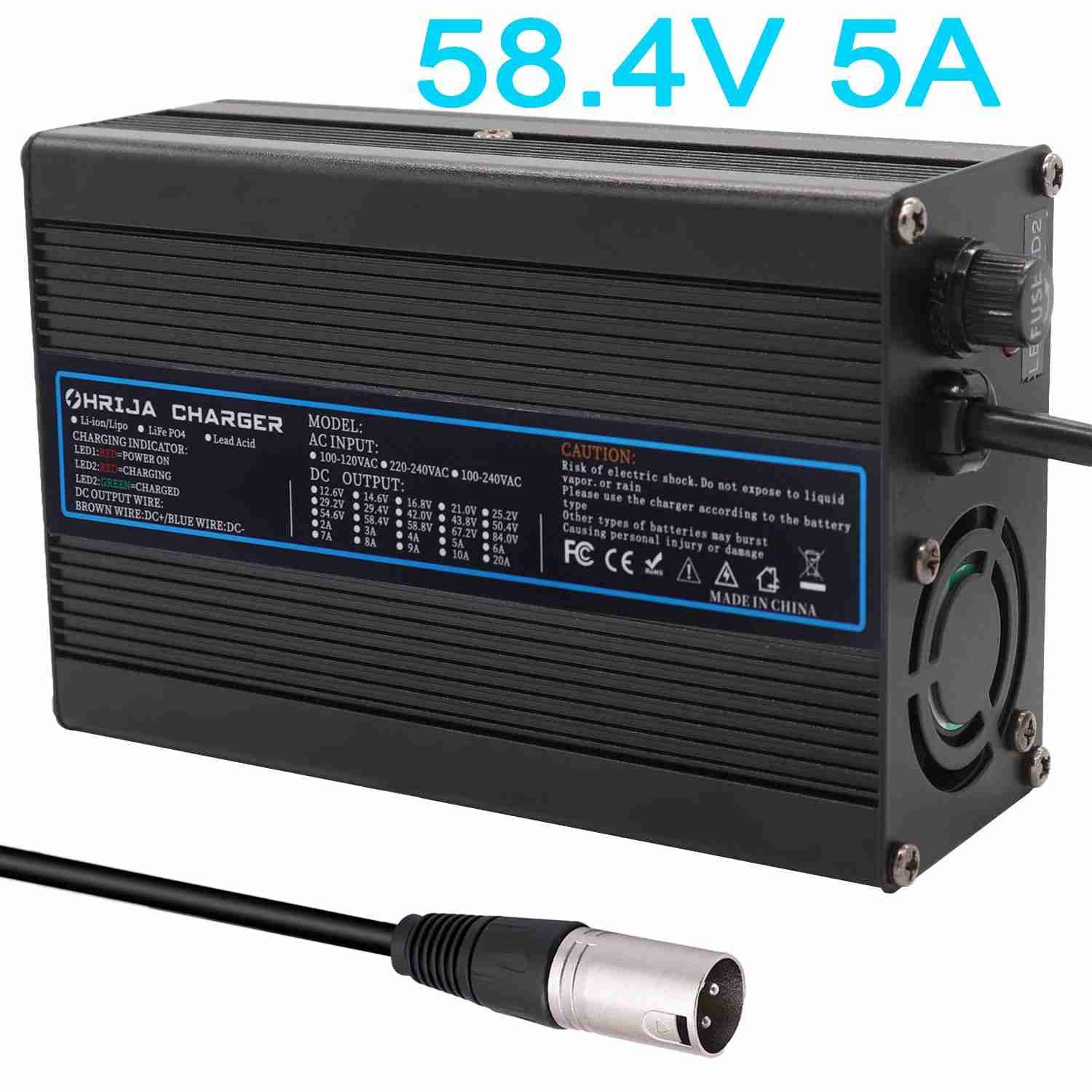
Lithium Iron Phosphate batteries require a higher peak voltage than standard Li-ion. Charging a 16S LiFePO4 48V battery requires exactly 58.4 Volts. This dedicated model ensures the strict CC/CV algorithm required to top-balance LiFePO4 cells without triggering premature cutoff. For longevity and safety, this ranks among the best LiFePO4 battery chargers 2025.
3. Compact Commuter Travel Charger (54.6V 4A)
For commercial users or office workers who need to carry a charger in their pannier bag, a 4A charger offers the perfect intersection of speed and compact size. It will charge a 20Ah pack in 5 hours, allowing a completely depleted battery to reach 100% easily during a standard workday, without the bulky footprint of higher-amperage units.
4. Heavy-Duty Commercial Fleet Charger (54.6V 10A)
For heavy-duty applications—such as cargo e-bikes or food delivery fleets—time is money. A 10A charger will push a 20Ah battery from 0% to 100% in exactly 2 hours. However, we advise caution: charging at 10A generates significant heat. Your battery’s BMS and wiring must be rated to accept a 0.5C charge rate, and the charger relies on high-RPM dual cooling fans to prevent thermal overload.
5. Standard Aluminum Overnight Charger (54.6V 2A)
If you only ride on weekends and prioritize extending the cycle life of your battery cells over a decade, a slow 2A charge rate (0.1C for a 20Ah battery) minimizes internal chemical resistance and heat. While it takes 10+ hours, OHRIJA’s aluminum 2A models provide absolute reliability for overnight, unattended charging.
6. Universal Multi-Connector Charging Station (54.6V 4A)
Many e-bike owners upgrade their bikes and end up with different charging ports (XT60, XT90, XLR 3-pin, DC5.5×2.1mm). A universal charger with interchangeable, high-quality terminal leads ensures you can safely charge multiple bikes from a single high-quality power supply.
7. IP65 Waterproof On-Board Charger (54.6V 5A)
Designed for mountain bikers, hunters, and all-terrain riders, IP65 sealed chargers feature potted electronics (encapsulated in resin) to completely lock out dust, mud, and water. These are often mounted directly onto the bike frame or carried in exposed environments where a standard ventilated charger would short-circuit.
8. Digital OLED Display Smart Charger (54.6V 5A)
For data-driven riders, a charger equipped with an OLED screen provides real-time telemetry, displaying the exact voltage curve, real-time amperage, and total amp-hours pushed into the pack. This allows you to monitor the health of your battery over time and detect cell degradation early.
What It Is & How It Works
An electric bike charger is a specialized power supply that converts alternating current (AC) from your wall outlet (110V-220V) into direct current (DC) at a highly specific voltage to safely restore chemical energy to your battery pack.
In most professional situations, these chargers operate using a two-stage CC/CV (Constant Current / Constant Voltage) algorithm:
- Constant Current (CC) Phase: The charger pushes its maximum rated amperage (e.g., 5 Amps) into the battery. During this phase, the voltage steadily rises until it hits the battery’s maximum threshold (54.6V for 13S Li-ion). This phase restores about 80% of the battery’s capacity quickly.
- Constant Voltage (CV) Phase: Once 54.6V is reached, the charger locks the voltage in place to prevent overcharging. The amperage naturally tapers down as the battery absorbs the final 20% of its capacity. When the current drops below a tiny threshold (usually 0.5A), the charger cuts off, and the LED indicator turns green.
The Benefits of Upgrading Your Charger
Is it actually worth upgrading a functioning charger? From our experience, yes. Most e-bikes are bundled with the cheapest plastic 2A charger the manufacturer could source. Upgrading to a premium 5A aluminum charger provides massive benefits: it cuts your charge time by 60%, drastically improving your e-bike’s daily utility. Furthermore, premium chargers like those from OHRIJA utilize superior internal MOSFETs and capacitors, providing a much cleaner, more stable DC ripple, which reduces stress on your battery’s internal BMS.
Limitations of High-Speed Charging
You cannot simply throw unlimited amperage at a lithium battery. The limitation is heat and chemical resistance. A battery’s charge acceptance rate is measured in “C-Rate”. For a 20Ah battery, charging at 5A is a 0.25C rate (5 / 20 = 0.25), which is exceptionally safe. However, pushing a 10A or 15A charger into a poorly constructed 20Ah pack generates immense heat, which degrades the lithium cells and shortens the overall lifespan of the battery. Additionally, high-amperage chargers require active cooling fans, which can be noisy in a quiet room.
Comparison Table: Charge Times for a 48V 20Ah Battery
| Charger Amperage Output | C-Rate (on a 20Ah Pack) | Estimated 0-100% Charge Time* | Thermal Stress on Battery |
|---|---|---|---|
| 2 Amps | 0.10 C | 10 to 11 Hours | Very Low (Ideal for overnight) |
| 3 Amps | 0.15 C | 7 to 7.5 Hours | Low |
| 4 Amps | 0.20 C | 5 to 5.5 Hours | Optimal Balance |
| 5 Amps | 0.25 C | 4 to 4.5 Hours | Moderate (Best for daily utility) |
| 10 Amps | 0.50 C | 2 to 2.5 Hours | High (Requires quality BMS wiring) |
*Note: Charge times include the slower Constant Voltage (CV) taper phase at the end of the cycle.
Who Should Use It & Who Does Not Need It
Who Should Upgrade to a 5A Charger: Commuters who ride their e-bike to work and need a reliable, fast turnaround before heading home. Food delivery riders (UberEats, DoorDash) who cycle through massive 20Ah batteries daily and rely on fast pit-stops to maximize their earning potential.
Who Does Not Need It: For beginners or casual recreational riders who take their e-bike out once a week for a trail ride, the stock 2A charger is perfectly adequate. Because time is not a constraint, leaving the battery to trickle charge slowly overnight puts minimal strain on the cells, promoting maximum longevity.
Pros and Cons Table: Fast Chargers (5A) vs Standard Chargers (2A)
| Charger Type | Pros (Benefits) | Cons (Limitations) |
|---|---|---|
| Fast Chargers (4A – 5A) | Rapid turnaround times (under 5 hours); highly efficient for daily commuters; aluminum casings offer superior durability. | Heavier and bulkier footprint; internal cooling fans generate audible noise; slightly higher upfront cost. |
| Standard Chargers (2A) | Silent operation (usually fanless); very compact and easy to transport; applies zero thermal stress to the battery cells. | Extremely slow charge times (10+ hours); often made with cheap plastic that traps internal heat, leading to premature charger failure. |
Common Mistakes When Buying and Charging
In our testing and customer support channels at OHRIJA, we see riders make critical, sometimes dangerous, errors:
- Mixing Chemistries: A frequent query we receive is can lithium charger charge LiFePO4 battery? The answer is a strict no. Using a 54.6V Li-ion charger on a 16S LiFePO4 battery will severely undercharge it, leading to cell imbalance. Using a 58.4V LiFePO4 charger on a 13S Li-ion battery will overcharge it, creating a catastrophic fire hazard.
- Charging Hot Batteries: Never plug your charger in immediately after a long, strenuous ride. The lithium cells are already thermally stressed. Allow the battery to rest and cool for 30 minutes before initiating the charge cycle.
- Smothering the Charger: If you have ever asked why does my charger get hot, it is because power conversion generates waste heat. Leaving your charger buried under a jacket, on a carpet, or in direct sunlight prevents the aluminum shell from dissipating heat, risking internal component failure.
Buying Considerations & Specifications
When selecting the best electric bike chargers 48v 20ah, you must evaluate the specifications using practical commercial judgment.
- Connector Compatibility: The best charger in the world is useless if you cannot plug it in. Verify whether your battery accepts an XT60, XT90, Anderson 45A, DC5.5×2.1mm barrel, or 3-pin XLR connection.
- Casing Material: Always prioritize extruded aluminum alloy over injection-molded plastic. Aluminum acts as a highly efficient, passive heatsink.
- Safety Certifications: Look for chargers that comply with rigorous international safety protocols, ensuring they have passed tests for dielectric voltage withstand and thermal runaway protection.
Buying Guide Table: Key Features to Verify
| Feature to Check | What You Need to Verify | Why It Matters |
|---|---|---|
| Exact Cutoff Voltage | Is it 54.6V (Li-ion) or 58.4V (LiFePO4)? | Mismatched voltages result in severe battery degradation or extreme fire risks. |
| Current Output (Amperage) | Does the amperage align with your BMS rating? | A 20Ah battery can safely handle 4A-5A. Do not exceed 10A unless your BMS specifically allows a high C-rate. |
| Cooling Mechanism | Active (Fan) vs Passive (Convection) | High-speed chargers require fans. If silence is required for your living room, you must choose a slower passive unit. |
| Internal Calibration | Presence of VR1 / VR2 potentiometers. | Allows professional technicians to micro-adjust voltage drops to extend battery lifespan. |
Expert Recommendation from OHRIJA
At Dongguan Hengruihong Technology Co., Ltd., the engineering team behind the OHRIJA brand, we firmly believe that the charger is just as critical to your e-bike’s performance as the motor itself. We specialize in high-tech R&D to produce aluminum-cased chargers that offer superior thermal dynamics and multi-layered electronic protections.
We recommend the OHRIJA 54.6V 5A Aluminum Alloy Charger as the absolute best electric bike charger 48v 20ah for standard Lithium-ion packs. It cuts charging times down to an efficient 4 hours, utilizes intelligent temperature control sensors, and features internally adjustable components for precise calibration. Whether you are browsing our Li-ion battery charger category for standard bikes or need specialized power adapters for commercial fleets, investing in premium charging infrastructure is the smartest way to protect your expensive lithium batteries.
Frequently Asked Questions
Can I leave my 48V 20Ah charger plugged in overnight?
Yes, provided you are using a high-quality smart charger. Premium chargers, like those engineered by OHRIJA, feature an automatic cutoff once the Constant Voltage phase concludes. However, as a general fire-safety best practice for all large lithium batteries, it is highly recommended to charge them while you are awake and present.
Is it bad to charge my 48V 20Ah battery with a fast 5A charger?
No, it is not bad. A 5A charge on a large 20Ah capacity battery equates to a 0.25C charge rate. The industry standard for safe lithium-ion charging is anything under 0.5C. Therefore, a 5A charger is well within the safe, optimal limits for a 20Ah pack and will not accelerate cellular degradation.
Why does the green light turn on, but the charger fan keeps running?
The green light indicates that the battery has reached its peak voltage and the main charging phase is complete. However, the internal components of the charger may still be hot. Intelligent chargers will keep the cooling fan engaged for a few minutes after the charge completes to dissipate residual heat, protecting the internal circuitry.
Authoritative References & Industry Safety Standards
To ensure our manufacturing processes and advice align with the highest echelons of electrical safety, we reference the following global authorities: