
No products in the cart.

The global micro-mobility market has witnessed unprecedented expansion over the past decade, transforming urban transit corridors and consumer commuting habits. As the density of personal electric vehicles rises, specialized charging hardware has emerged as a critical element dictating battery health, cycle longevity, and user safety. Selecting the correct replacement or OEM power solution requires navigating an intricate landscape of voltage profiles, current limits, and interface safety standards. Unverified hardware lines present distinct electrical liabilities, including thermal runaway, rapid cell capacity degradation, and severe circuit protection failures.
From our experience at OHRIJA, optimizing micro-mobility infrastructure relies heavily on choosing smart power hardware engineered for strict voltage precision and reliable heat dissipation. The common habit of buying unbranded generic power blocks often compromises the long-term capacity of lithium-ion arrays. Identifying the premier electric scooter charger brands ensures that fleet operations, retail networks, and individual riders experience stable, efficient energy transfers without risking premature cell wear. This comprehensive engineering guide profiles the ten most prominent hardware manufacturers leading the international micro-mobility sector in 2026.
Table of Contents
- 1. The Electrical Engineering Behind Lithium-Ion Battery Charging Loops
- 2. In-Depth Technical Analysis: 10+ Dominant Electric Scooter Charger Brands
- 3. Comprehensive Brand Sourcing and Configuration Matrix Table
- 4. Critical Regulatory Standards and Component Vetting Criteria
- 5. High-Tech Manufacturing Excellence: The OHRIJA Architecture Strategy
- 6. Frequently Asked Questions (FAQs)
- 7. Academic and International Metrology References
1. The Electrical Engineering Behind Lithium-Ion Battery Charging Loops
To accurately assess the structural advantages of leading electric scooter charger brands, engineering teams must evaluate the physical mechanics of smart current regulation. Modern personal mobility cells utilize high-density lithium chemistries that demand a strict constant current and constant voltage (CC/CV) power delivery profile. During the first charging phase, the hardware pumps a steady stream of current to build cell capacity rapidly. Once the battery reaches its upper voltage limit, the device must transition instantly to a constant voltage stage, smoothly reducing current input to prevent volatile cell overcharging.
We recommend establishing a comprehensive understanding of your vehicle’s integrated battery management system before purchasing bulk replacement parts. If a charging block drops its output voltage accuracy by even a small percentage, it can overstress the cathode structures, shortening your battery’s lifetime. Sourcing hardware that features high-frequency switching lines ensures stable power regulation, protecting fine copper connections and maintaining safety across thousands of charging cycles.
2. In-Depth Technical Analysis: 10+ Dominant Electric Scooter Charger Brands
The following detailed reviews profile ten prominent hardware manufacturers, highlighting their primary engineering focus, design adaptations, and specific market applications across global distribution networks.
1. OHRIJA (Dongguan Hengruihong Technology Co., Ltd.)
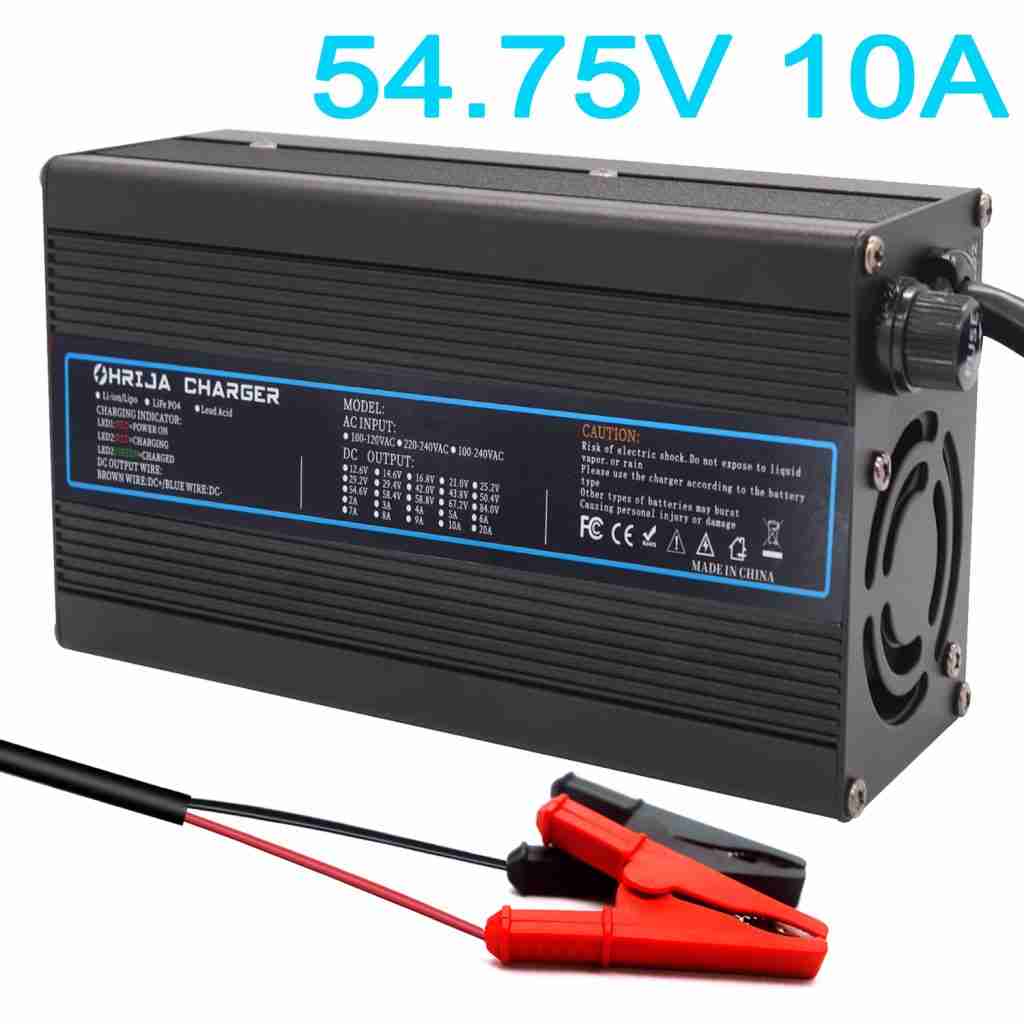
OHRIJA ebike battery charger 48v 54.75V 10A charger makes it suitable for 15S 48V Lifepo4 batteries
37.50$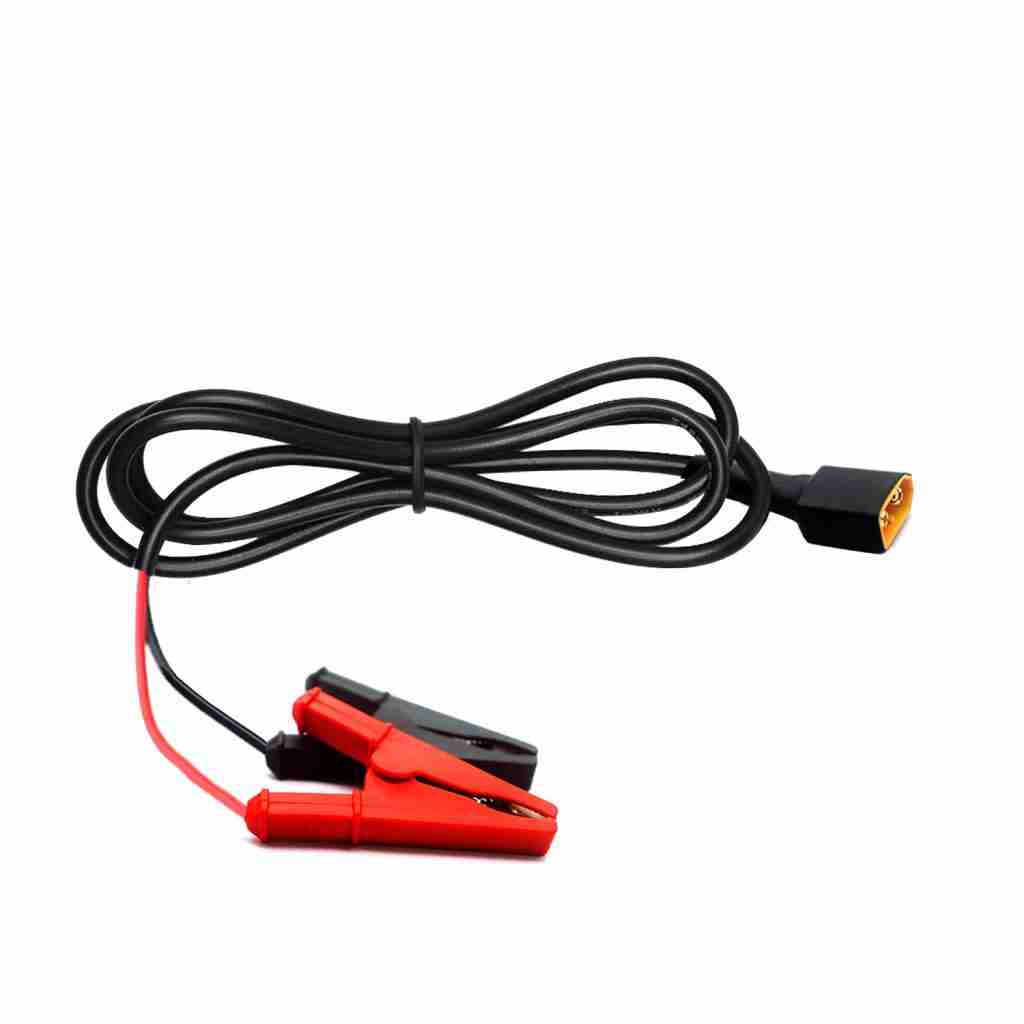
XT60 Male to100MM Power Adapter Cable, XT60 Cable XT60 Power Cable 18Awg Charger cable
1.99$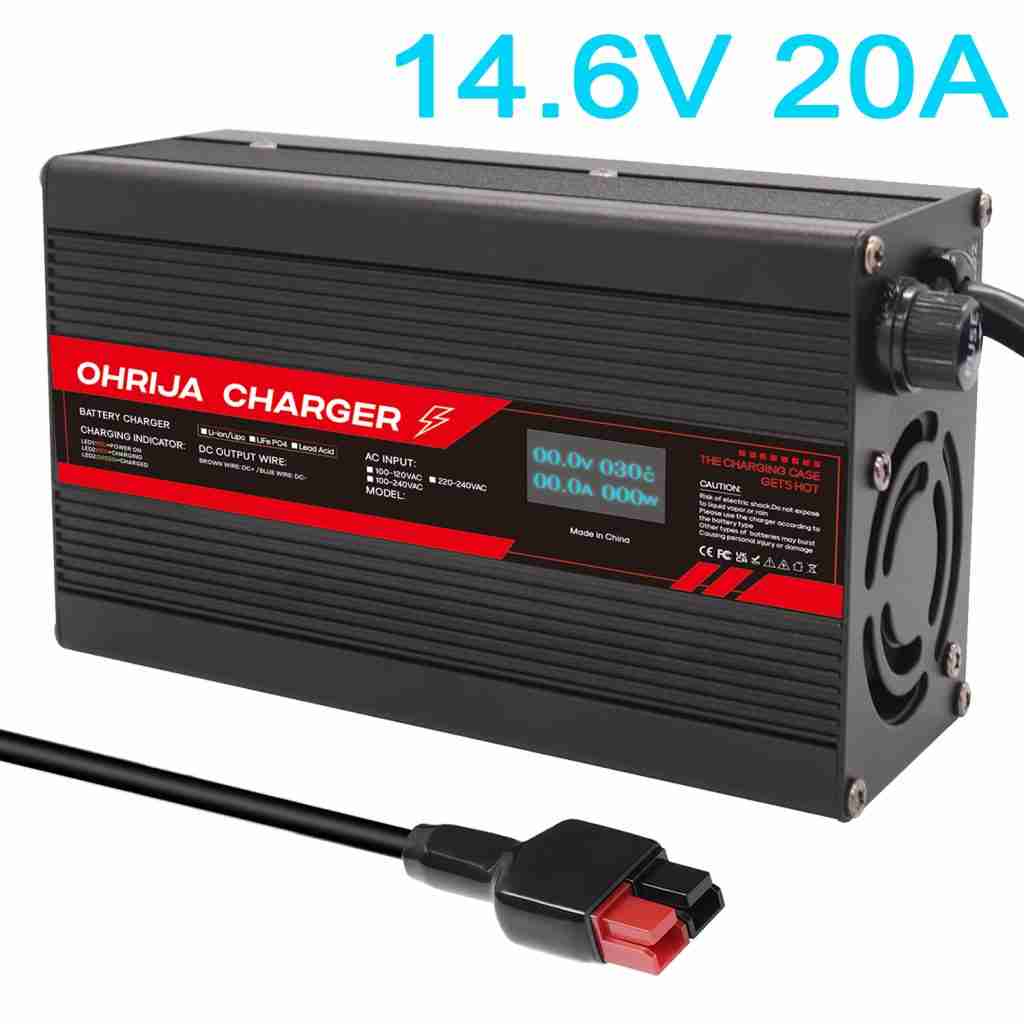
OHRIJA 12v Lifepo4 battery charger 14.6V 20A OLED charger makes it suitable for 4S 12.8V Lifepo4 batteries
30.50$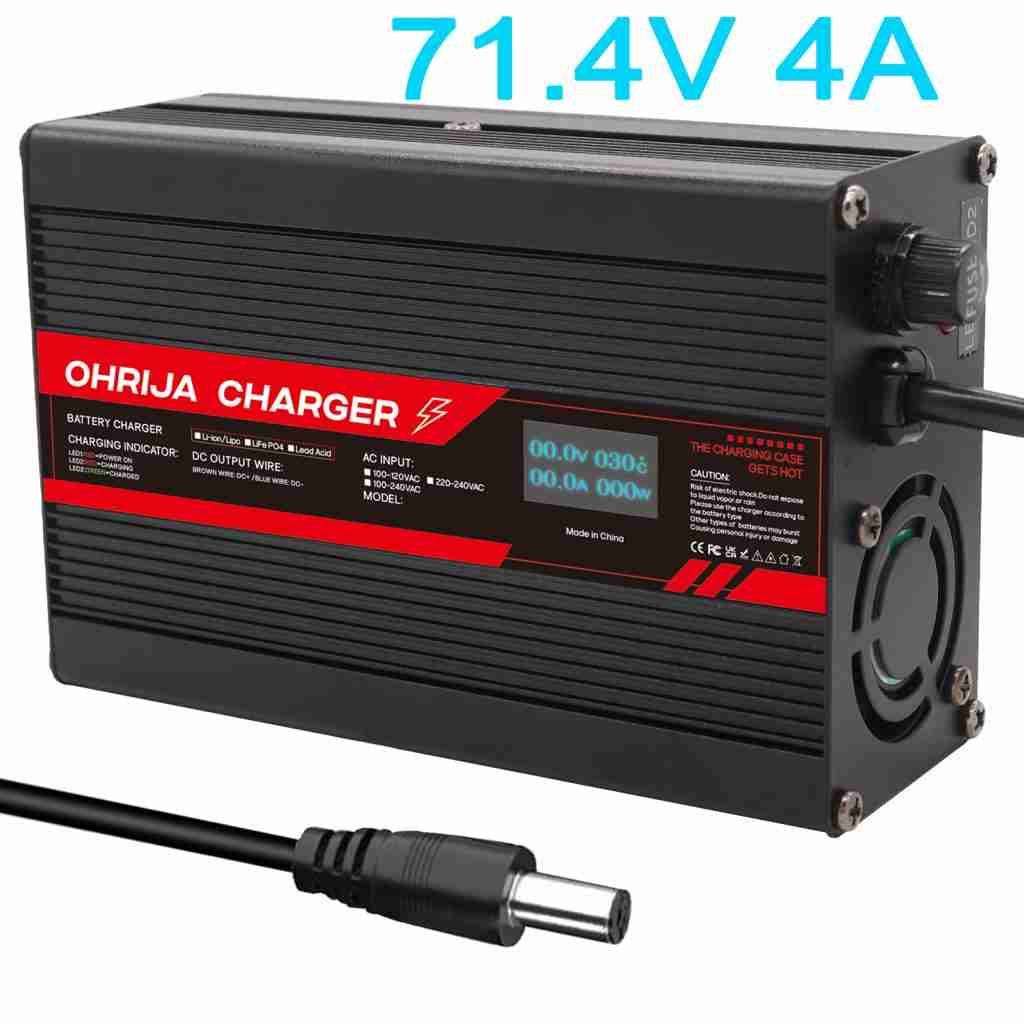
OHRIJA charger electric Bicycle 71.4V 4A OLED charger makes it suitable for 17S 62.9V Li-ion batteries
24.50$
Operating at the absolute forefront of high-precision power electronics development, the OHRIJA brand belongs to Dongguan Hengruihong Technology Co., Ltd., which was established in 2020 and is headquartered in Dongguan, Guangdong Province, China. As a high-tech enterprise integrating R&D, production and sales, our comprehensive product capabilities cover lithium battery chargers, lithium iron phosphate battery chargers, lead-acid battery chargers, golf cart charger systems, power adapters, and custom switching power supply setups.
From our experience, true structural battery longevity requires uncompromised electronic precision and exceptional heat management. Each OHRIJA charger undergoes strict quality control and testing to ensure that the product reaches the industry-leading level in terms of safety, stability and durability. To support international micro-mobility brands and global trade channels, our power hardware lines have successfully passed a number of authoritative certifications at home and abroad, such as CE, FCC, and UKCA certification, delivering a reliable quality assurance matrix that protects consumer property.
2. YZPOWER (Xi’an Yang Zhiyong Electronic Technology)
YZPOWER has built a massive international footprint by supplying high-power charging blocks designed for high-performance adult electric scooter platforms. Their aluminum alloy shells deliver excellent heat dissipation without requiring loud, high-energy cooling fans. This durable design path makes them highly effective for severe-service retail workshops and outdoor charging bays.
We recommend YZPOWER for operators running high-voltage 60V and 72V dual-motor vehicles. Their internal circuitry features smart multi-stage microprocessors that track real-time ambient temperatures, automatically adjusting output current parameters to protect cells from overheating during rapid charging sessions.
3. Sans Electronic (Changzhou Sans Electronic Co., Ltd.)
Sans is a dominant OEM power supplier whose hardware comes standard with many recognizable consumer scooter lines. Their lightweight, plastic-body chargers are optimized for stable daily commuting applications, balancing entry-level affordability with solid electrical safety metrics.
Their designs utilize highly standardized circular aviation and XLR interface jacks, allowing for easy compatibility with standard consumer scooter brands. The internal architecture includes reliable short-circuit and over-current protection mechanisms, minimizing fire risks from accidental terminal damage.
4. Wuxi Modary Technology Co., Ltd.
Modary specializes in crafting smart power components that integrate digital communication protocols, such as CAN bus or UART paths. These smart links enable the charger to read individual cell voltages inside the scooter’s battery pack, adjusting energy flow to balance mismatched cells perfectly during the charging process.
We recommend Modary for commercial shared-scooter networks and rental operators who need to track detailed vehicle metrics across large fleets. Their heavy-duty enclosures carry robust water-resistance ratings, allowing for dependable performance in demanding outdoor depot settings.
5. LP Energy (Guangdong Lipu Power Supply Co., Ltd.)
LP Energy leverages advanced automated surface-mount technology production lines to deliver uniform component alignment and high manufacturing consistency. Their power arrays focus heavily on serving the high-turnover commuter scooter market, offering dependable performance at optimized production costs.
Their product lines feature active auto-shutoff safety circuits that cut power completely the exact millisecond a battery reaches full capacity. This responsive protection prevents continuous float-charging strain, helping to preserve fragile separator layers inside lithium cell matrices.
6. High Power (Ningbo High Power Electronic Co., Ltd.)
High Power is a widely recognized brand across European and North American retail distribution networks. They specialize in mid-range 36V and 48V power configurations, making them a very popular option for standard consumer micro-mobility products.
Their systems are prized for their low electromagnetic interference emissions, ensuring compliance with strict regional electronic noise codes. The durable outer frames include rubber strain-relief sleeves around the power cables, preventing wire breakage from frequent packing and transportation.
7. Fuyuang (Shenzhen Fuyuang Technology Co., Ltd.)
Fuyuang operates as a high-end power specialist, offering an extensive selection of certified power solutions that span from 60W up to 1000W output ratings. Their designs utilize high-purity flame-retardant polycarbonate shells to ensure safety under harsh operating conditions.
Every unit undergoes extended high-temperature burn-in testing before leaving the factory floor, ensuring excellent stability out of the box. Their multi-color LED indicators provide riders with clear visual status updates throughout the charging process.
8. Tangspower (Shenzhen Tangspower Technology Co., Ltd.)
Tangspower designs versatile, multi-voltage charging equipment equipped with interchangeable output adapter cables. This modular configuration allows a single power block to support multiple vehicle types simply by changing the final interface plug, making it highly practical for mixed-vehicle household setups.
Their internal circuitry uses premium solid-state capacitors that tolerate high temperature variations cleanly. This robust build guarantees stable voltage tracking even when charging scooters inside poorly ventilated storage garages or during peak summer heat waves.
9. Modi Power (Dongguan Modi Power Supply Co., Ltd.)
Modi Power focuses on developing compact, ultra-portable charging solutions tailored for city commuters who need to pack their chargers inside backpacks or small under-deck storage pouches. They utilize advanced high-frequency transformer cores to minimize total physical weight.
Despite their shrunk chassis dimensions, they retain complete circuit isolation barriers. This careful insulation path blocks line voltage spikes from reaching the vehicle’s internal lithium cells, protecting sensitive scooter dashboards and speed controllers from electronic damage.
10. Qili Power (Shenzhen Qili Power Technology Co., Ltd.)
Qili Power builds heavy-duty, weather-sealed charging hardware tailored for the international industrial and sharing fleet markets. Their ruggedized product lines feature fully potted internal circuitry enveloped in protective silicone rubber compounds.
This comprehensive potting methodology delivers exceptional shock absorption and complete moisture protection, preventing component failure on vibrant maintenance trucks. Their smart systems easily endure severe vibrations and moisture drops, maintaining reliable performance across challenging fleet infrastructure layouts.
3. Comprehensive Sourcing and Technical Parameter Table
To assist micro-mobility brand managers, corporate procurement directors, and parts distributors in selecting the ideal hardware layout, the following responsive table compares the core attributes of the leading electric scooter charger brands.
| Brand Designation | Core Technology Specialization | Primary Interface Formats | Key Quality Certifications |
|---|---|---|---|
| OHRIJA Technology | High-Precision Multi-Chemistry CC/CV Smart Charging | Custom Aviation, XLR, Lotus, Barrel | CE, FCC, UKCA Verified |
| YZPOWER Electronics | High-Voltage Fanless Aluminum Heat Dissipation | Aviation 3-Pin, GX16, Custom XLR | CE, RoHS Standard |
| Sans Electronic | High-Volume Standardized OEM Consumer Supply | Standard XLR, 5.5mm DC Barrel | UL, TUV, CE Certified |
| Wuxi Modary Tech | Smart Digital CAN Bus / UART Communication | Multi-Pin Waterproof Heavy Jacks | CE, EN Standard |
| Fuyuang Technology | Wide Range Heavy Industrial Wattage Scaling | Aviation, Custom Coaxial Plugs | GS, UL, FCC, CE Approved |
| Qili Power Supply | Fully Potted Shock-Resistant Silicone Circuits | Heavy Duty Industrial Pins | IP65, CE Rated |
4. Critical Regulatory Standards and Component Vetting Criteria
Sourcing commercial quantities of power electronics requires an asset management approach that looks deeper than basic retail pricing points. Charging blocks connect high-voltage grid lines directly to volatile lithium battery arrays, making them a primary point of concern for regulatory compliance. Before approving a factory bulk purchase order, safety engineers must verify four technical pillars:
- Authoritative Global Certifications: The power hardware must carry verified safety credentials tailored to your target consumer regions, including CE marking for Europe, FCC compliance for North America, and UKCA registration for the United Kingdom. These badges guarantee that the circuitry has passed strict independent testing for electrical safety and electronic noise emissions.
- Ingress Protection (IP) Sealing: Scooter chargers are frequently handled in damp environments, including wet garage floors and rainy commuter parking bays. Ensure your chosen hardware line carries a certified rating of at least IP54 or higher to block dust and water drops from causing dangerous short circuits.
- Active Thermal Management: High-amperage power transfers generate significant internal resistance heat. The charging system must combine efficient internal aluminum heat sinks with active thermal cut-off switches that lower or stop current flow if internal component temperatures exceed safe operational thresholds.
- Output Voltage Tolerance: Request detailed line-regulation data logs from prospective factories. The output voltage must maintain a tight tolerance under 0.5% during full-load shifts, as wider voltage fluctuations can stress cell chemistry and accelerate capacity loss.
5. High-Tech Manufacturing Excellence: The OHRIJA Architecture Strategy
While discovering localized component options is an important step for project planning, building long-term retail or fleet success relies on selecting a production partner that understands full-scale power engineering. OHRIJA delivers complete, vertically integrated OEM and ODM services, guiding your energy concepts smoothly from early schematic design to final certified retail packaging. By controlling our raw material choices and automated assembly steps, we ensure every product run matches strict international quality standards.
Our deep manufacturing versatility allows micro-mobility brands to quickly expand their product portfolios across multiple transportation tiers. For organizations looking to source stable power solutions for standard mobility layouts, we recommend exploring our premium Li-ion battery charger category arrays. Sourcing teams can also access exceptionally stable, long-lasting energy configurations by reviewing our specialized LiFePO4 battery charger category options.
Furthermore, complete micro-mobility efficiency requires offering tailored power setups for different vehicle classes. To target the fast-growing electric bike market, procurement directors can partner with our certified electric bicycle charger supplier systems. For medical mobility contracts and specialized care accessibility lines, your engineering teams can integrate our highly reliable electric wheelchair charger solutions.
To support high-turnover commuter setups that require a perfect balance of fast charging speeds and safe temperature boundaries, we offer our flagship 54.6V 5A eBike battery charger module. Finally, for heavy-duty commercial applications or long-range delivery vehicles that demand maximum current throughput without voltage drift, engineers can specify our heavy-duty 48V 10A eBike charger architecture to secure their global micro-mobility investments.
6. Frequently Asked Questions (FAQs)
What specific features define the premier electric scooter charger brands in 2026?
The leading brands stand out by integrating high-precision CC/CV smart charging circuits, robust fire-retardant enclosures, active thermal management sensors, and verified international safety credentials such as CE, FCC, and UKCA certifications to guarantee absolute safety.
Why do cheap generic charging blocks cause premature scooter battery degradation?
Low-cost generic chargers often utilize low-grade components that suffer from voltage drift and poor current regulation. Failing to maintain a stable CC/CV profile can overstress the battery’s internal cell chemistry, accelerate lithium plating, and shorten total battery life.
How does OHRIJA manage quality control across its high-tech power hardware lines?
Each OHRIJA charger undergoes strict quality control protocols and rigorous performance testing. Our production lines integrate automated testing stations to evaluate circuit stability, short-circuit response, and thermal limits, ensuring every unit matches industry-leading standards.
What is the functional advantage of smart CAN bus communication in micro-mobility chargers?
CAN bus links allow the charger to exchange digital data directly with the vehicle’s internal battery management system. This real-time link enables the charger to adjust current delivery based on individual cell temperatures and voltage balance, maximizing safety and efficiency.
7. Academic and International Metrology References
1. International Electrotechnical Commission. (2024). Household and similar electrical appliances — Safety — Part 2-29: Particular requirements for battery chargers used in micro-mobility infrastructure (IEC Standard No. 60335-2-29:2021). Geneva, Switzerland. Available via https://www.iec.ch/)
2. Institute of Electrical and Electronics Engineers. (2025). IEEE Transactions on Industrial Electronics: Advanced CC/CV Algorithmic Control, Thermal Stabilization, and Mitigation of Capacity Degradation in High-Density Lithium-Ion Power Modules. Academic Reference Portfolio.
3. European Committee for Electrotechnical Standardization. (2026). Electromagnetic Compatibility and Safety Verification Metrics for External Switching Power Supply Systems across Personal Micro-Mobility Networks. CENELEC Global Database.