
No products in the cart.

Automotive and marine batteries are the heart of your vehicle’s electrical system, yet they are routinely neglected until they fail. From our experience in the power electronics and battery manufacturing sector, understanding CTEK battery charger how to use protocols is the difference between a battery that lasts two years and one that lasts eight. CTEK chargers are globally recognized for their microprocessor-controlled trickle charging capabilities. However, a smart charger is only as intelligent as the operator plugging it in.
In most professional situations, we see users connect these devices without understanding the chemistry of the battery they are attempting to revive. Whether you are maintaining a classic car over the winter or trying to recover a deeply discharged AGM battery, simply plugging it into the wall is not enough. You must understand the specific charging stages and mode selections. In this comprehensive guide, we will break down the exact steps to operate a CTEK charger, analyze its limitations, and explain when commercial users need to upgrade to heavy-duty equipment like those engineered at OHRIJA.
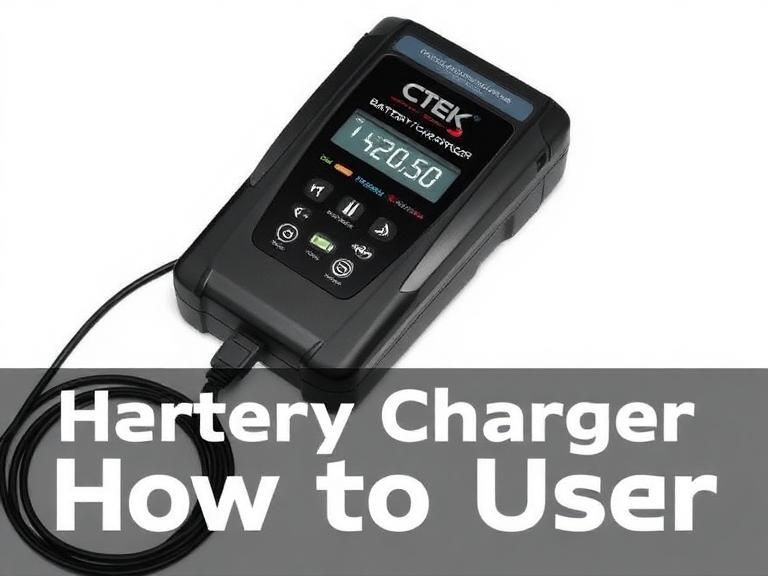
Quick Answer: CTEK Battery Charger How to Use
To safely and effectively use a standard CTEK battery charger, follow this exact sequence:
- Disconnect: Ensure the CTEK charger is unplugged from the AC wall outlet.
- Connect the Clamps: Attach the red positive clamp to the positive (+) battery terminal. Attach the black negative clamp to the negative (-) terminal, or a clean metal chassis ground away from the fuel line.
- Power On: Plug the charger into the AC wall outlet. The standby light will illuminate.
- Select the Mode: Press the “Mode” button to select the correct program (Motorcycle for small batteries, Car for standard batteries, AGM/Cold for AGM or cold weather, Recond for deeply discharged batteries).
- Wait and Monitor: Allow the charger to cycle through its automated 8-step process. Once the “Float” or “Pulse” light (typically step 7 or 8) is illuminated, the battery is fully charged and can be left connected indefinitely.
We recommend always checking your battery’s chemistry label before selecting a charging mode.
Table of Contents
- What It Is and the 8-Step Process
- How It Works: Step-by-Step Operation
- Benefits of Smart Trickle Charging
- Limitations for High-Capacity Systems
- Who Should Use It & Who Does Not Need It
- Common Mistakes to Avoid
- Buying Considerations and Upgrades
- Expert Recommendation from OHRIJA
- The Bottom Line
- Frequently Asked Questions (FAQ)
What It Is and the 8-Step Process
A CTEK charger is an advanced, microprocessor-controlled battery maintainer designed primarily for 12V lead-acid, AGM, and sometimes lithium (LiFePO4) automotive applications. Unlike traditional “dumb” chargers that blast a battery with continuous high-amperage current until it boils the electrolyte, a CTEK utilizes a proprietary 8-step charging curve.
To fully grasp CTEK battery charger how to use principles, you must understand what the machine is doing while you walk away:
- Step 1: Desulphation. The charger detects sulfate build-up on the lead plates and pulses voltage to break it down.
- Step 2: Soft Start. Tests if the battery can accept a charge, preventing charging of a defective battery.
- Step 3: Bulk. Delivers maximum current until the battery is approximately 80% charged.
- Step 4: Absorption. The current steadily declines while voltage remains constant to bring the battery to 100% without overheating.
- Step 5: Analyze. Tests if the battery can hold the charge.
- Step 6: Recond (If selected). Increases voltage to create controlled gassing, mixing the acid to fix stratification.
- Step 7: Float. Maintains voltage at maximum level by providing a constant voltage charge.
- Step 8: Pulse. Monitors voltage and gives a pulse to keep the battery at 95-100% capacity over long-term storage.
How It Works: Step-by-Step Operation
In our testing, the physical operation of the charger is straightforward, but sequence matters for safety and efficacy. Always connect the DC clamps to the battery before plugging the AC cord into the wall to prevent sparking near potentially explosive battery gases.
When you press the mode button, you must align the charger’s output with your specific application. Using the “Motorcycle” mode limits the amperage (usually to 0.8A), protecting small powersports batteries from thermal runaway. The “Car” mode provides the full 5A to 7A output (depending on your model). The “AGM” mode raises the absorption voltage slightly (often to 14.7V), which is strictly necessary for Absorbent Glass Mat batteries. If you fail to use the AGM mode on an AGM battery, you will chronically undercharge it, leading to premature failure.
Benefits of Smart Trickle Charging
The primary benefit of knowing CTEK battery charger how to use techniques is achieving genuine “plug-and-play” winterization. For classic car collectors or motorcycle owners, the pulse maintenance mode (Step 8) is invaluable. Because it monitors the voltage and only applies a charge when it drops, it completely eliminates the risk of overcharging and boiling the battery dry—a common flaw in cheap trickle chargers.
Furthermore, the built-in diagnostic features (Steps 2 and 5) act as an early warning system. If the charger aborts the cycle and flashes an error light, it saves you from relying on a compromised battery that would likely leave you stranded.
Limitations for High-Capacity Systems
While CTEK dominates the automotive maintenance niche, it has severe limitations in commercial or heavy-duty environments. The output amperage (typically 5A to 7A for consumer models) is far too low for deep-cycle applications. If you drain a 100Ah marine battery, a 5A CTEK will take over 24 hours to recharge it.
Moreover, modern electric mobility demands significantly higher voltages and tailored charging curves. You cannot use a 12V CTEK to charge a 36V, 48V, or 67.2V lithium array. For these applications, you require specialized equipment. For instance, if you are running an electric scooter, you need a dedicated 67.2V scooter battery charger to safely balance the high-voltage cells.
Quick Summary Table: CTEK Modes Explained
| Mode Selection | Ideal Application | Max Voltage Output | Target Battery Size |
|---|---|---|---|
| Motorcycle (Bike Icon) | ATVs, Jetskis, Motorcycles | 14.4V | 1.2Ah – 14Ah |
| Car (Car Icon) | Standard Wet Flooded Lead-Acid | 14.4V | 14Ah – 160Ah |
| AGM / Snowflake | AGM Batteries, Cold Weather Charging | 14.7V | 14Ah – 160Ah |
| Recond | Deeply discharged, stratified batteries | 15.8V (Controlled) | 14Ah – 160Ah |
Who Should Use It & Who Does Not Need It
Who should use it: For beginners and everyday consumers with standard 12V automotive needs, a CTEK is an excellent investment. If you have a vehicle that sits unused for weeks at a time, learning CTEK battery charger how to use protocols will save you hundreds of dollars in battery replacements.
Who does not need it: For commercial users, golf cart owners, and those managing large lithium-ion or LiFePO4 banks, a standard 12V automotive charger is practically useless. If you are curious about voltage mismatch, read our guide on can I charge a 36V battery with 12V charger (Spoiler: No, you cannot). High-capacity applications require chargers that deliver 10A to 30A of continuous current.
Common Mistakes to Avoid
From our experience auditing failed battery claims, user error is rampant. Here are the most critical mistakes to avoid:
- Using Recond Mode on AGM or Gel Batteries: Recond mode uses high voltage (15.8V) to force gassing in flooded batteries to mix the acid. AGM and Gel batteries are sealed; forcing them to gas will dry them out and permanently destroy them.
- Ignoring Lithium Compatibility: Unless you have a specific “Lithium” CTEK model, do not use a lead-acid CTEK on a lithium battery. The desulphation pulse will trigger the lithium battery’s BMS (Battery Management System) and shut it down. If you have a 12V lithium setup, you must use a dedicated 12V LiFePO4 battery charger 30A for safe, rapid charging.
- Leaving the Clamps Attached Without Power: If the charger is connected to the battery but unplugged from the wall, it will slowly drain the battery due to parasitic draw.
Buying Considerations and Upgrades
When evaluating your charging needs, you must match the charger’s output to the battery’s capacity and chemistry. A good rule of thumb is that your charger’s amperage should be roughly 10% to 20% of your battery’s Amp-Hour (Ah) rating. Therefore, a 5A CTEK is perfect for a 50Ah car battery.
However, if you are upgrading your RV, solar array, or mobility vehicle to lithium, you enter a different tier of power electronics. Lithium batteries can absorb massive amounts of current efficiently. For instance, if you operate a 24V system, upgrading to a high-quality 24V lithium battery charger 10A will cut your charge times drastically compared to generic maintainers.
Pros and Cons Table: Consumer Smart Chargers
| Pros of Standard Smart Chargers (like CTEK) | Cons of Standard Smart Chargers |
|---|---|
| Excellent long-term battery maintenance. | Extremely slow charge times for large batteries (under 10A). |
| Advanced diagnostic and recovery algorithms. | Cannot charge high-voltage arrays (24V, 36V, 48V, 72V). |
| Spark-free and reverse polarity protection. | Most models lack dedicated LiFePO4 charging profiles. |
| Durable, weather-resistant casings. | Recond mode can accidentally damage sealed batteries if misused. |
Expert Recommendation from OHRIJA
Recommended products
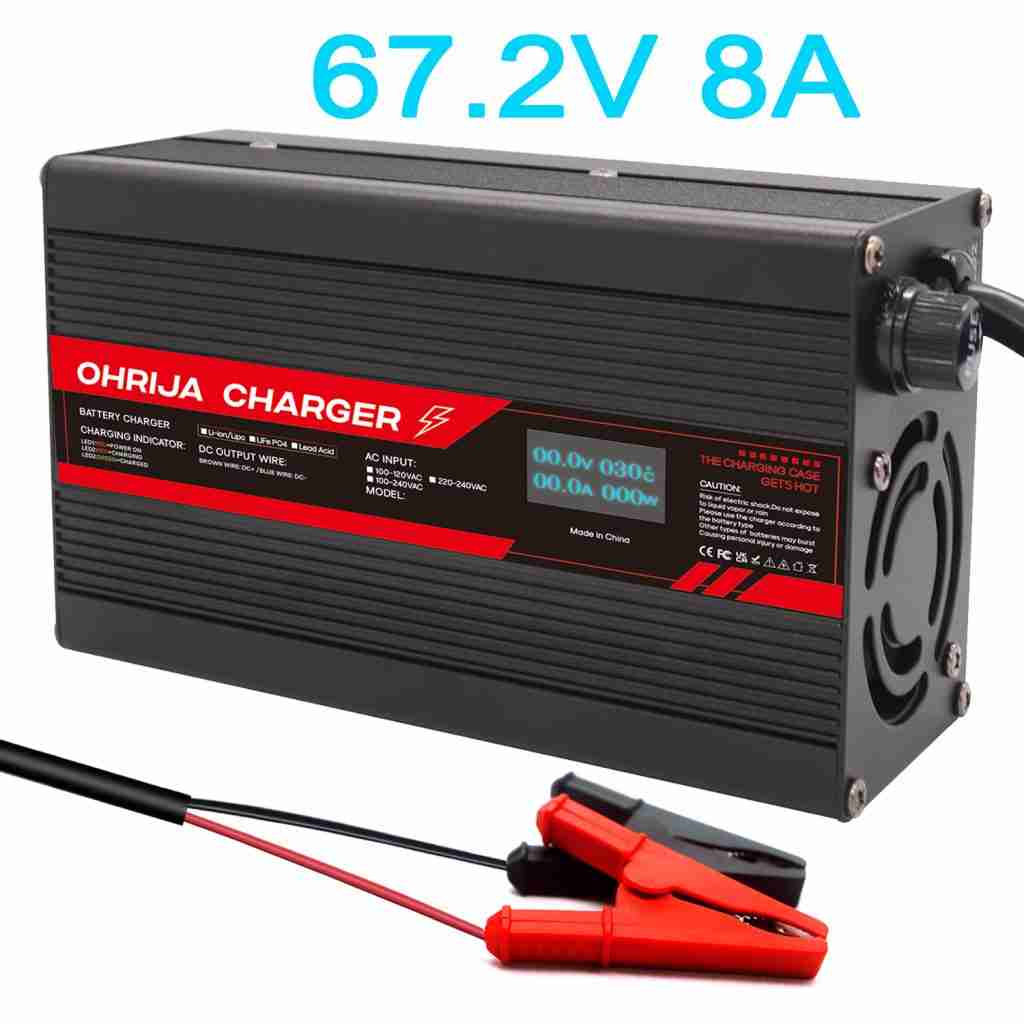
OHRIJA battery charger for lithium batteries 67.2V 8A OLED charger makes it suitable for 16S 60V Li-ion batteries
Price range: 40.50$ through 45.50$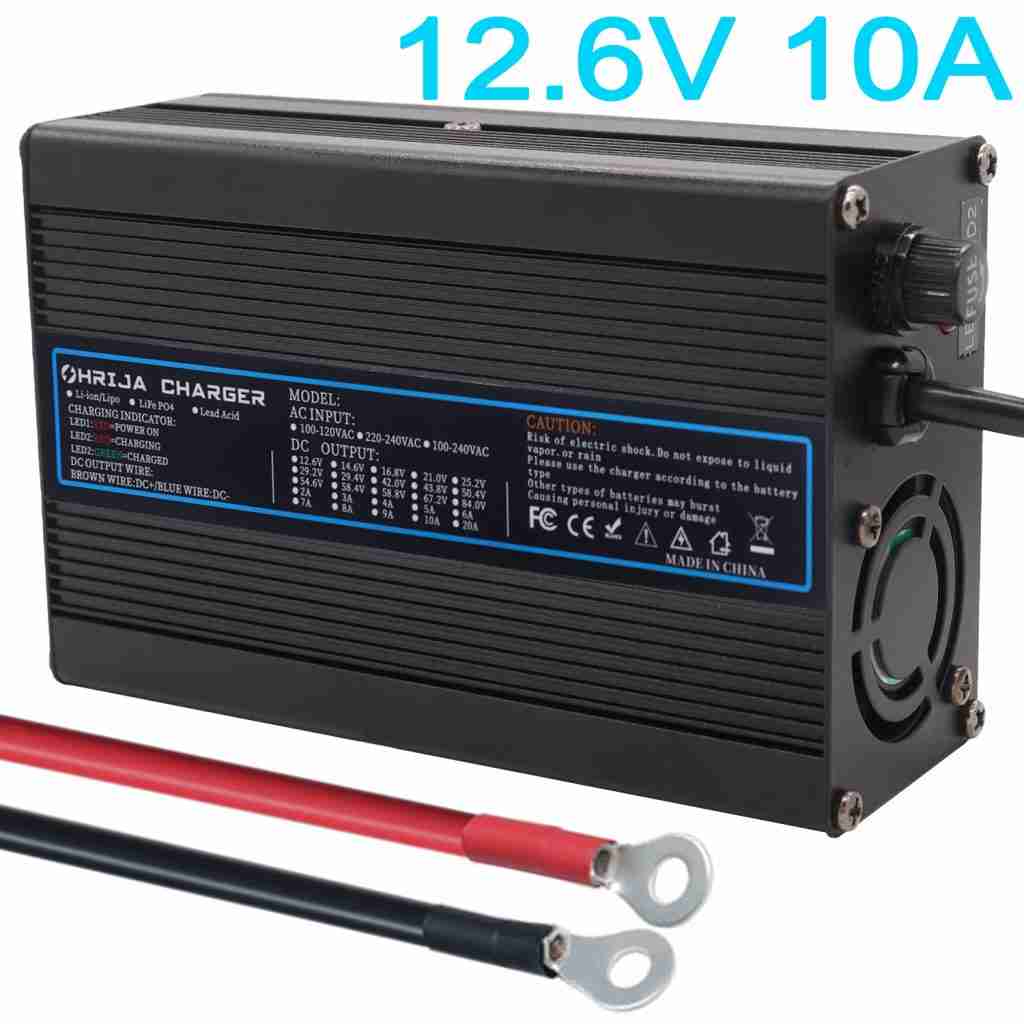
OHRIJA 12 volt lithium battery charger 12.6V 10A charger
17.50$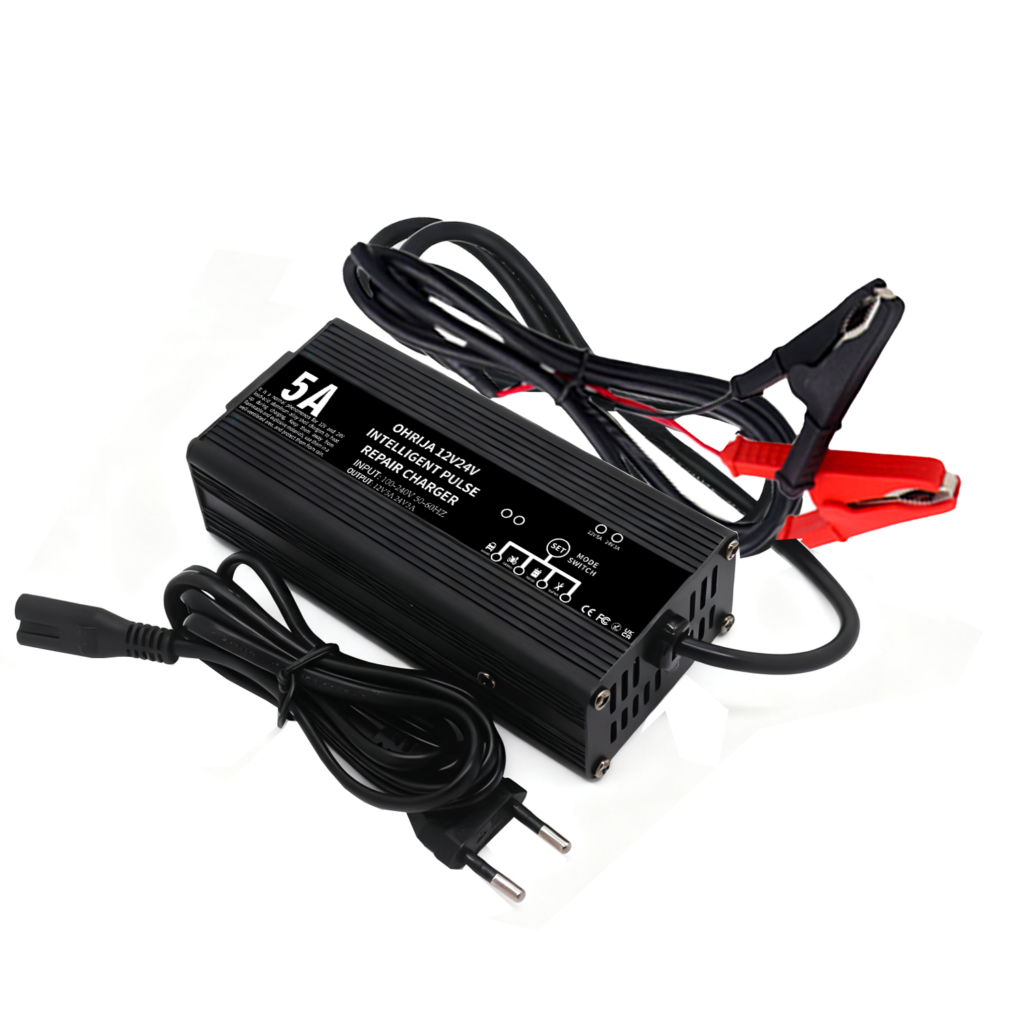
OHRIJA 12V 5A 24V 2A Intelligent Charging Unit for Motorcycles and Cars | Lead-Acid Battery Restorer | Pulse Restoration with Indicator Light
14.90$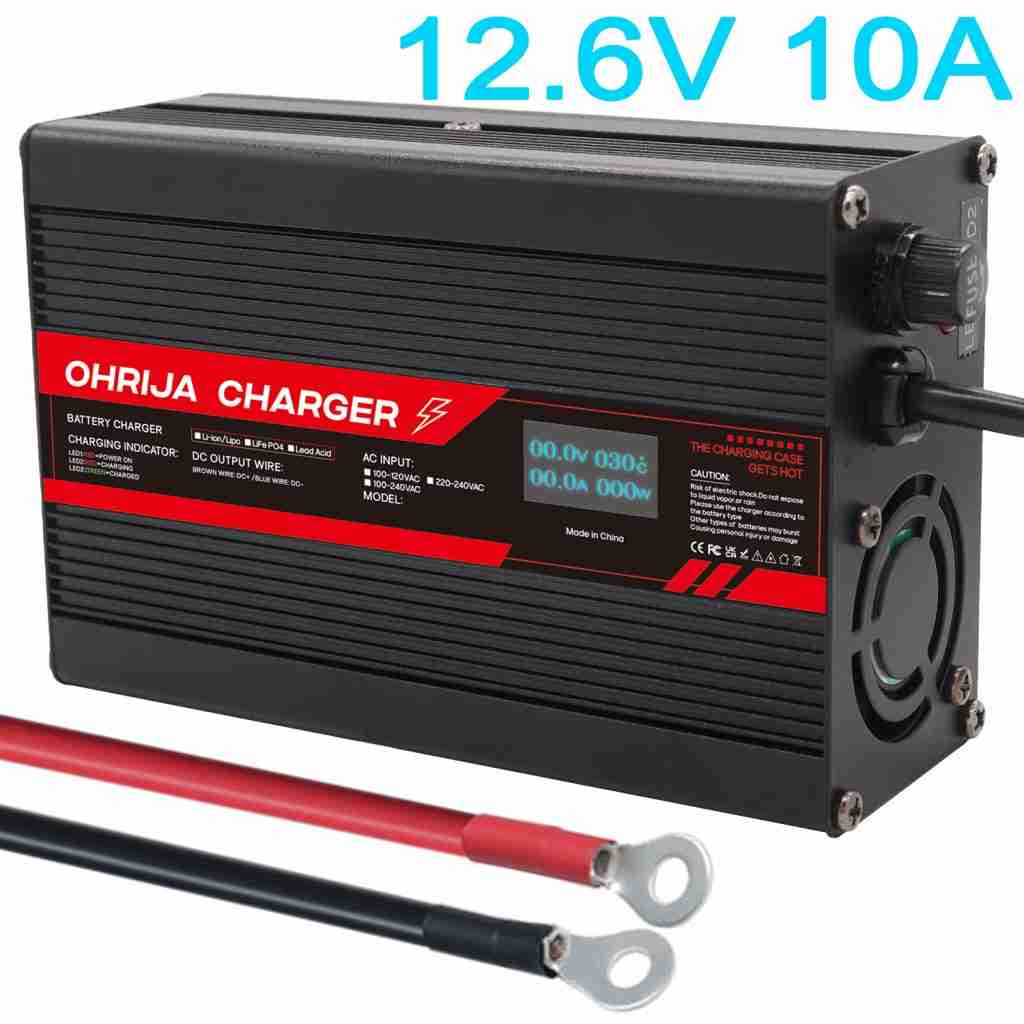
OHRIJA 12v lithium battery charger 12.6V 10A OLED charger makes it suitable for 3S 11.1V Li-ion batteries
20.50$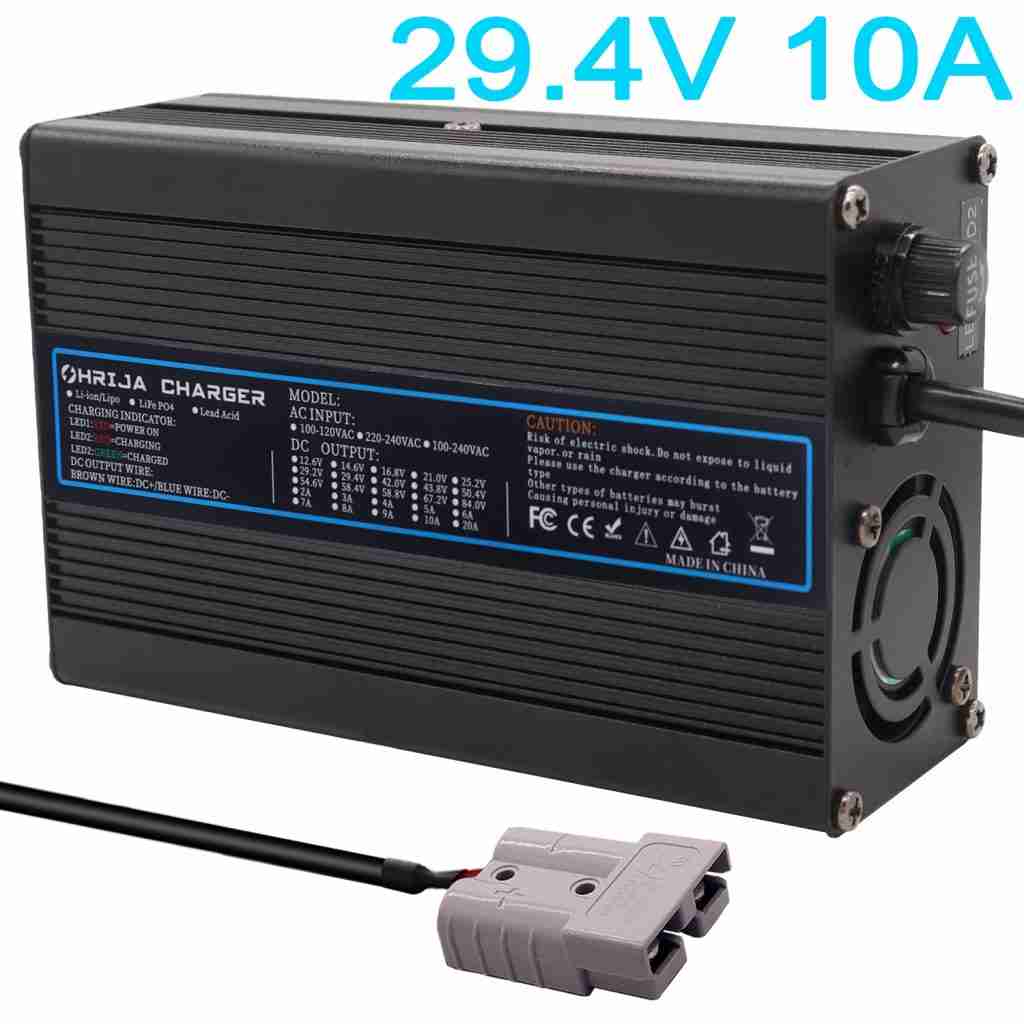
OHRIJA 24v charger 29.4V 10A charger makes it suitable for 7S 25.9V Li-ion batteries
21.50$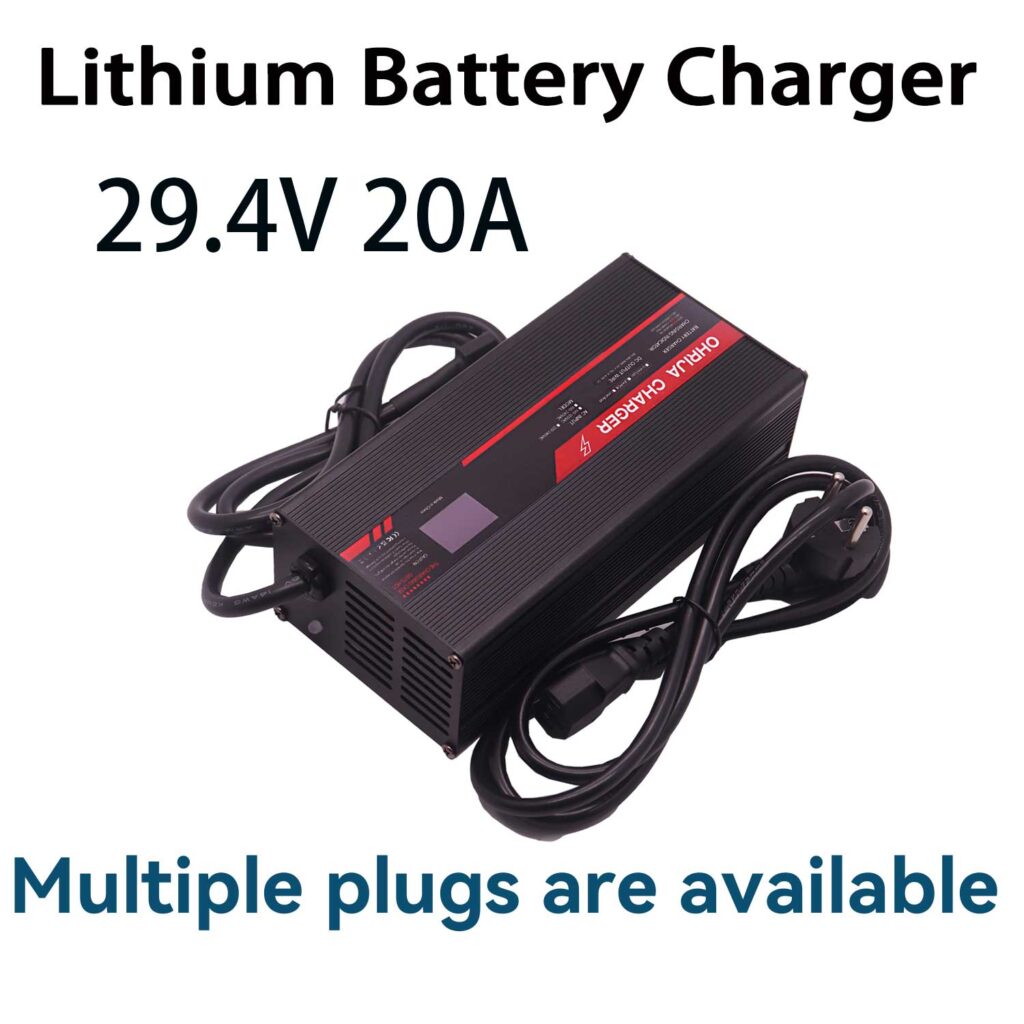
OHRIJA 24v lithium ion battery charger 29.4V 20A charger makes it suitable for 7S 25.9V Li-ion Battery Chargers
33.50$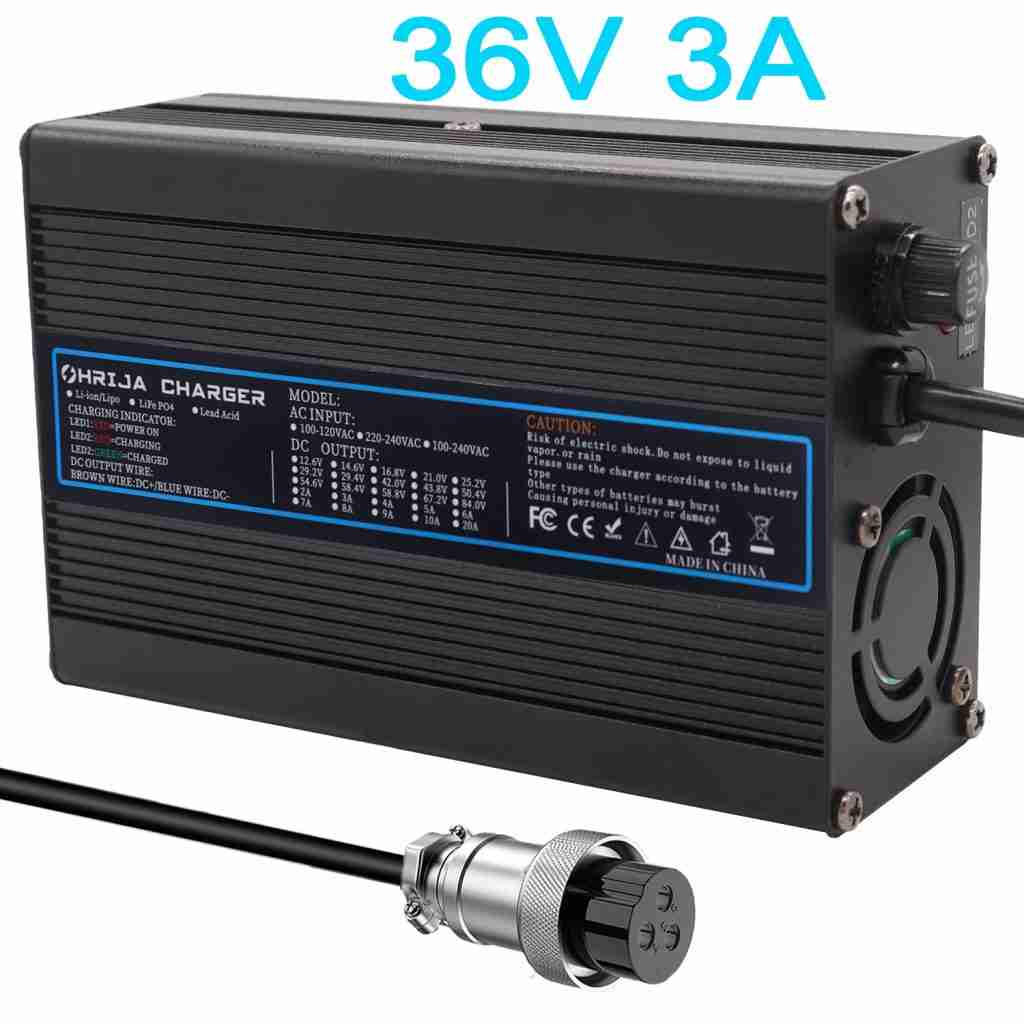
OHRIJA 36v Battery Charger 36V 3A charger makes it suitable for 41.4V Lead Acid batteries
17.50$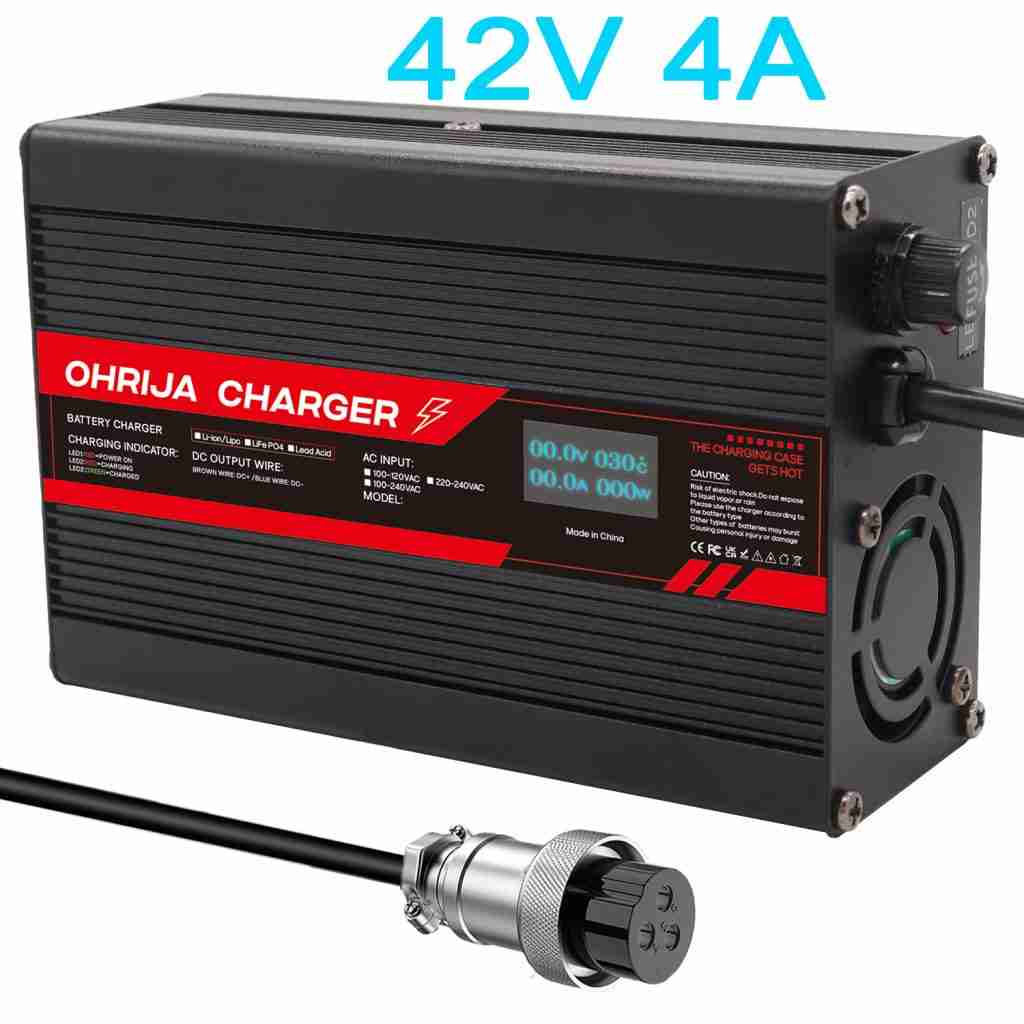
OHRIJA 36v lithium battery charger 42V 4A OLED charger makes it suitable for 10S 36V Li-ion batteries
20.50$
At OHRIJA, our engineering team has spent years integrating R&D, production, and sales of high-tech power solutions. We recognize that while CTEK makes an exceptional trickle charger for standard 12V cars, the world is rapidly moving toward high-capacity lithium and specialized traction batteries.
Our expert recommendation: Use a CTEK to keep your garage-parked gasoline car topped off. But when it comes to your electric mobility, solar storage, or heavy-duty industrial equipment, you must buy an application-specific charger. If you own a golf cart, do not settle for underpowered maintainers; review the best golf cart battery chargers 48V to ensure your cart has the torque it needs. If you rely on a mobility scooter, you need a robust, reliable power supply, which is why we engineer the best portable scooter battery chargers on the market. Always match the tool to the voltage, capacity, and chemistry of the job.
Comparison Table: Automotive vs. Heavy-Duty Applications
| Feature | Standard 12V Smart Charger (e.g., CTEK MXS 5.0) | OHRIJA Industrial/Lithium Charger |
|---|---|---|
| Primary Use Case | Automotive winterization, trickle charging | Rapid bulk charging, E-mobility, Golf Carts, Solar Banks |
| Voltage Range | Strictly 12V (Some 6V models) | 12V, 24V, 36V, 48V, 72V, 84V custom profiles |
| Current Output | 0.8A to 7A | 10A, 20A, 30A+ for fast turnaround |
| Chemistry Focus | Lead-Acid, AGM, Gel | Specialized Li-ion, LiFePO4, high-drain Lead-Acid |
Pro-Tip for E-Bikes: Never use a generic multi-voltage charger on a lithium e-bike. If you have an 84V system, use a certified 84V electric scooter charger. Supplying the incorrect voltage to a lithium pack bypasses the BMS and poses a severe fire risk.
Buying Guide Table: Choosing the Right OHRIJA Charger
| Your Application | Battery Chemistry | Recommended Charger Profile |
|---|---|---|
| RV House Battery / Marine Trolling Motor | 12V LiFePO4 (Lithium Iron Phosphate) | Best LiFePO4 battery chargers 2025 (High Amperage 20A-30A) |
| Electric Golf Cart | 48V Lithium-Ion | Best lithium ion battery charger 48V |
| Electric Scooter / Mobility | 67.2V Lithium-Ion | 67.2V 10A Dedicated E-Scooter Charger |
The Bottom Line
Understanding CTEK battery charger how to use instructions is mandatory for anyone looking to extend the life of a standard 12V automotive battery. They are excellent, reliable devices for maintenance. However, the commercial and heavy-duty landscape has evolved. If you are dealing with high-capacity lithium banks, multi-voltage golf carts, or e-mobility devices, you have outgrown standard trickle chargers. We recommend auditing your current battery voltage and chemistry, and upgrading to a dedicated, high-amperage OHRIJA charger to ensure your equipment is safely and rapidly charged, ready for heavy usage.
Frequently Asked Questions (FAQ)
Can I leave my CTEK charger connected all winter?
Yes. Once the charger reaches Step 7 (Float) and Step 8 (Pulse), it is designed to be left connected indefinitely. It will monitor the voltage and only apply a charge when necessary, preventing overcharging and battery degradation during long-term storage.
Why is the error light flashing on my charger?
A flashing error light usually indicates one of three things: the clamps are connected in reverse polarity (red to negative, black to positive), the battery voltage is too low to accept a charge (severely dead cell), or the charger has timed out during the desulphation phase because the battery is beyond recovery.
Can I use the Recond mode on a Lithium or AGM battery?
Absolutely not. Recond mode is strictly for flooded lead-acid batteries. It applies a high 15.8V charge to create controlled gassing to mix stratified acid. Using this on a sealed AGM, Gel, or Lithium battery will cause irreparable damage, dry out the cells, and potentially cause a thermal event.
What should I do if my battery is larger than 160Ah?
While a standard 5A to 7A trickle charger can eventually charge a large battery, it will take an impractically long time and the charger will run excessively hot. For batteries over 160Ah, or for rapid turnaround in commercial applications, you should upgrade to a 20A or 30A heavy-duty charger engineered by specialists like OHRIJA.
References and Industry Standards
- Battery Council International (BCI) – Global standards for battery manufacturing and testing.
- IEEE Standards Association – Protocols for stationary battery charging and maintenance (IEEE 450).
- Battery University – Comprehensive educational resource on lead-acid and lithium charging algorithms.