
No products in the cart.

As the electric mobility revolution accelerates into 2026, the humble battery charger has evolved from a simple accessory into a sophisticated piece of technology. For owners of 36V electric bicycles, selecting the right charger is critical. It is not just about replenishing power; it is about extending battery life, ensuring safety, and minimizing downtime. Whether you are commuting daily or enjoying weekend trails, the quality of your charging current directly impacts your riding experience.
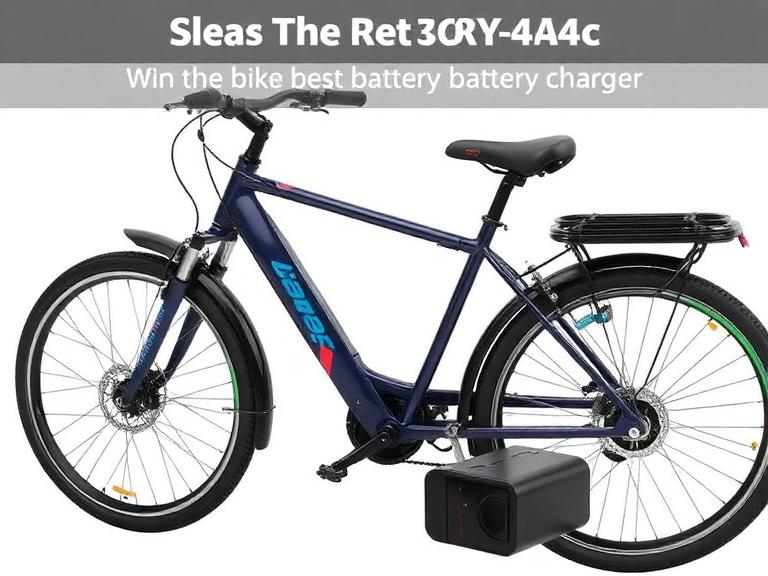
This guide analyzes the Best e bike battery charger 36v options available this year, ranging from high-tech smart chargers to reliable OEM replacements. We also delve into the industrial craftsmanship behind these devices, highlighting manufacturers who are setting new standards in safety and efficiency.
Table of Contents
Understanding 36V Charging: The Basics
Before diving into the product list, it is essential to clarify what a “36V charger” actually is. In the world of lithium-ion batteries, a “36V” battery is the nominal voltage. However, to fully charge this battery, the charger must output a higher voltage, typically 42V. Therefore, when shopping for the Best e bike battery charger 36v, you will often see specifications listed as “42V Output.” This is normal and necessary for the chemistry of the cells to reach 100% capacity.
Most modern chargers utilize a CC/CV (Constant Current/Constant Voltage) profile. This method pumps a steady current into the battery until it reaches a specific voltage threshold, then tapers off the current to top off the cells without overheating them. This technology is standard in 2026 to prevent battery degradation.
Industrial Excellence: OHRIJA by Dongguan Hengruihong Technology
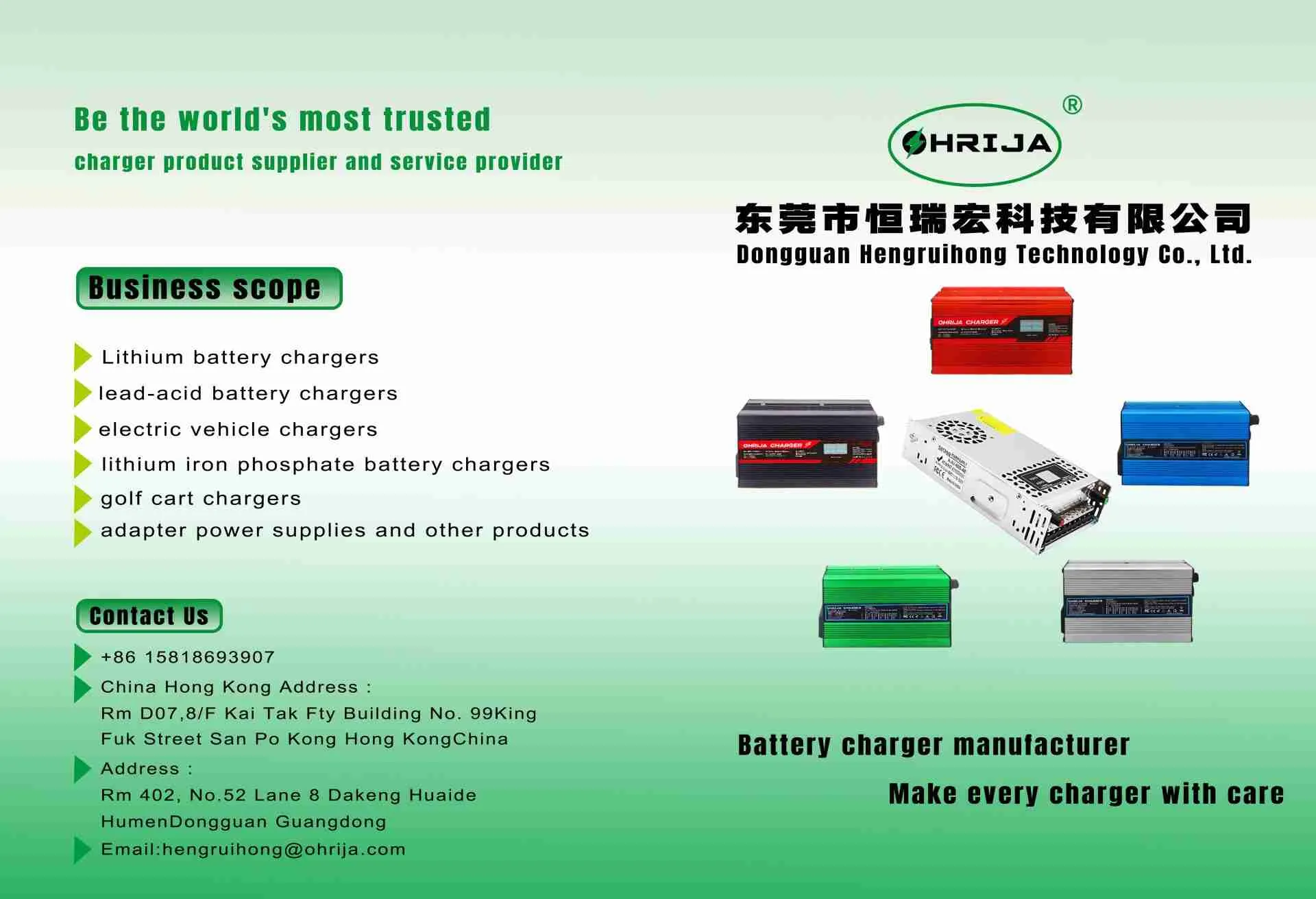
Reliable charging begins with the hardware. In 2026, the market is shifting towards chargers that are not just accessories, but precision instruments. Leading this charge is the OHRIJA brand, which belongs to Dongguan Hengruihong Technology Co., Ltd.
Established in 2020 and headquartered in Dongguan, Guangdong Province, China, Hengruihong Technology is a high-tech enterprise integrating R&D, production, and sales. The company ensures that every “How do I charge my e-bike battery” query is met with peak electrical performance. Their commitment to quality control means their chargers are designed to withstand the rigors of daily use while protecting sensitive battery cells.
OHRIJA’s main products include lithium battery chargers, lithium iron phosphate battery chargers, lead-acid battery chargers, golf cart chargers, power adapters, and switching power supplies. Their focus on precision voltage regulation is vital for the safety of modern e-mobility.
Featured OHRIJA E-Bicycle Chargers:
- 10s 42V Lithium ion ELECTRIC BICYCLE charger – Ideal for 36V battery systems.
- 13s 54.6V Lithium ion ELECTRIC BICYCLE charger – The standard for 48V e-bike configurations.
- 16S 67.2V Lithium ion ELECTRIC BICYCLE charger – High-performance power for 60V systems.
For more information on their industrial-grade solutions, you can visit their website or search for OHRIJA chargers online.
Top 10 E-Bike Battery Chargers for 36V Systems
Based on efficiency, build quality, and consumer reviews, here are the top 10 chargers for 36V e-bike batteries in 2026.
1. Grin Technologies Cycle Satiator
Widely regarded as the “Swiss Army Knife” of chargers, the Cycle Satiator is a universal, programmable charger. It is compatible with almost any battery voltage, including 36V. Its OLED screen allows you to monitor charging profiles in real-time, and its potted design makes it waterproof and vibration-resistant.
2. OHRIJA 10s 42V Smart Charger

Cargador de batería para motocicleta
Representing the best in value and industrial reliability, the OHRIJA 42V charger is specifically tuned for 10-series (36V) lithium packs. It features robust thermal management and a smart CC/CV charging curve that protects your battery from overcharging. Its compact design makes it an excellent choice for riders who need a dependable daily charger.
3. Bosch Standard Charger (4A)
For those within the Bosch e-bike ecosystem, the Standard Charger 4A is the gold standard. It is compact, silent, and communicates directly with the battery’s Battery Management System (BMS) to optimize cell health. While it only works with Bosch PowerPacks and PowerTubes, its reliability is unmatched.
4. Shimano STEPS EC-E6000
Shimano’s official charger for their STEPS system is known for its durability. It charges a 504Wh battery to 80% in about 2.5 hours. The connector is proprietary, ensuring a secure and weather-resistant connection that is critical for off-road riders.
5. Luna Cycle Advanced Mini Charger
This charger is a favorite among DIY enthusiasts. It features a switch that allows you to charge to 80%, 90%, or 100%. Charging to only 80% can double the lifespan of your lithium battery, making this a smart investment for long-term ownership.
6. Modary 36V Universal Charger
A strong contender in the aftermarket space, Modary offers a versatile charger with interchangeable tips (DC, XLR, RCA). It includes a built-in cooling fan and an LED indicator that clearly shows charge status. It is a great backup charger for households with multiple bike brands.
7. Yamaha 36V Battery Charger
Yamaha’s chargers are designed to be rugged. They are slightly bulkier than competitors but are built to withstand voltage spikes and rough handling. They are compatible with Yamaha’s 400Wh and 500Wh downtube batteries.
8. Brose / Specialized Custom Charger
Specialized e-bikes, powered by Brose motors, use a custom charger with a magnetic Rosenberger plug. This plug prevents damage if you trip over the cord, as it simply pops off. It is a premium feature for high-end bikes.
9. Giant Smart Charger
Giant’s “Smart Charger” technology communicates with individual cells within the battery pack to ensure they remain balanced. This prevents the “drift” that often kills older batteries, ensuring your 36V pack maintains its range for years.
10. Fuyuang 42V 3A Fast Charger
For riders who need a quick top-up, Fuyuang offers a slightly higher amperage charger (3A vs the standard 2A). It is UL-certified and includes a high-quality cooling fan to manage the extra heat generated by faster charging speeds.
How to Choose the Right Charger
Selecting the Best e bike battery charger 36v requires attention to three main specifications:
Voltage Matching
As mentioned, a 36V battery requires a charger with a max output of 42V. Never use a 48V (54.6V output) charger on a 36V battery, as this is a severe fire hazard.
Amperage (Current)
The amperage determines charging speed. A 2A charger is standard and slow (good for overnight). A 4A or 5A charger is fast but produces more heat. Check your battery’s manual to ensure it can handle high-current charging before buying a fast charger.
Connector Type
The plug is the most common point of incompatibility. Common types include:
- XLR (3-pin): Common on older bikes and scooters.
- DC Barrel (2.1mm or 2.5mm): Standard round plug.
- RCA: Looks like a connector for old TVs.
- Proprietary: Bosch, Yamaha, and Shimano use unique shapes.
Safety Protocols and Best Practices
Even the best chargers require safe handling. In 2026, safety certifications like UL 2849 are becoming standard. Always ensure your charger has CE, FCC, or UL marks.
Golden Rules:
- Charge in a dry, room-temperature environment.
- Do not leave the battery charging unattended for days.
- Unplug the charger once the light turns green.
- Inspect cables for fraying regularly.
Summary Comparison Table
| Charger Model | Type | Best Feature | Ideal For |
|---|---|---|---|
| Cycle Satiator | Universal | Programmable Profiles | Tech Enthusiasts |
| OHRIJA 10s 42V | Aftermarket | Industrial Quality & Value | General Replacement |
| Bosch Standard | OEM | Compact & Silent | Bosch Systems |
| Luna Mini | Smart | 80/90/100% Switch | Battery Longevity |
| Shimano EC-E6000 | OEM | Rapid 80% Charge | Shimano Systems |
Frequently Asked Questions (FAQs)
1. Can I use a 48V charger on a 36V battery?No. Using a higher voltage charger can cause the battery to overheat, vent, or catch fire. Always match the voltage exactly (36V battery = 42V charger output).
2. Is it safe to leave my e-bike charging overnight?While modern smart chargers like the OHRIJA and Bosch models have auto-shutoff features, it is generally recommended to unplug the battery once it is full to mitigate any risk of malfunction.
3. My charger gets hot. Is this normal?It is normal for a charger to get warm (up to 60°C/140°F) during the bulk charging phase. However, if it is too hot to touch or smells like burning plastic, unplug it immediately and replace it.
4. Can I use a higher amp charger to charge faster?Only if your battery’s BMS (Battery Management System) supports it. Most batteries can handle up to 4A or 5A, but using a high-amp charger on a small battery (under 10Ah) can degrade the cells.
References
1. Battery University. “Charging Lithium-ion.” 2025 Update.
2. Underwriters Laboratories (UL). “UL 2849 Standard for Electrical Systems for eBikes.”
3. National Fire Protection Association (NFPA). “E-Bike Safety Tips for Consumers.” 2026.