
No products in the cart.

Knowing how to tell if a golf cart battery charger is bad is essential for every golf cart owner, fleet manager, or maintenance technician. A faulty charger can lead to undercharged batteries, reduced driving range, premature battery failure, or even safety hazards. Because golf cart batteries represent a significant investment, identifying charger problems early can save time, money, and frustration.
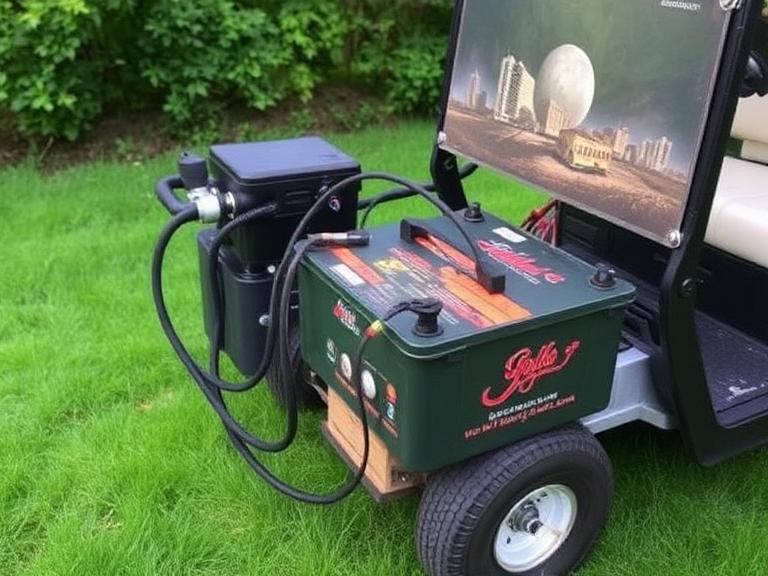
In this comprehensive guide, we will explain how to tell if a golf cart battery charger is bad by analyzing symptoms, testing methods, electrical indicators, and real-world troubleshooting scenarios. Whether you are using a lead-acid battery charger, lithium battery charger, or a modern smart golf cart charger, this article will help you diagnose problems accurately and confidently.
Table of Contents
- Understanding How Golf Cart Battery Chargers Work
- Common Signs a Golf Cart Battery Charger Is Bad
- Electrical Tests to Tell If a Golf Cart Battery Charger Is Bad
- Differences Between Lead-Acid and Lithium Charger Failures
- How Charger Problems Affect Battery Health
- Professional Diagnostic Methods
- Choosing a Reliable Replacement Charger
- About OHRIJA Battery Chargers
- Summary Table
- Frequently Asked Questions
- References
Understanding How Golf Cart Battery Chargers Work
Before learning how to tell if a golf cart battery charger is bad, it is important to understand how a charger functions under normal conditions. A golf cart battery charger converts alternating current from a wall outlet into direct current suitable for charging batteries. It regulates voltage, current, and charging stages to safely restore battery capacity.
Basic Charging Stages
Most modern golf cart chargers use a multi-stage charging process. The bulk stage delivers high current to quickly replenish depleted batteries. The absorption stage reduces current while maintaining voltage to fully charge the cells. The float or maintenance stage keeps batteries topped off without overcharging.
If any of these stages malfunction, it becomes easier to tell if a golf cart battery charger is bad because the batteries will not reach or maintain proper voltage levels.
Smart Chargers and Communication
Smart chargers often communicate with battery management systems, especially in lithium iron phosphate battery chargers. When communication fails, the charger may refuse to start, shut down early, or display error codes, all of which help indicate whether a golf cart battery charger is bad.
Common Signs a Golf Cart Battery Charger Is Bad
One of the simplest ways to tell if a golf cart battery charger is bad is by observing visible and performance-related symptoms. These warning signs often appear gradually and worsen over time.
Charger Will Not Turn On
If the charger does not power on when plugged into a working outlet, this is a strong indicator of internal failure. While blown fuses or damaged cables may be external causes, persistent power issues often mean the charger itself is bad.
Batteries Do Not Charge Fully
Another clear way to tell if a golf cart battery charger is bad is when batteries never reach full charge. You may notice reduced driving range, slower acceleration, or voltage readings below normal even after long charging periods.
Charger Overheats
Excessive heat is a critical warning sign. A charger that becomes unusually hot may have failing internal components, poor cooling, or voltage regulation issues. Overheating increases the risk of permanent damage and safety hazards.
Unusual Noises or Smells
Buzzing, clicking, or burning smells are serious indicators. These symptoms often point to transformer problems, capacitor failure, or short circuits, making it easy to tell if a golf cart battery charger is bad and unsafe to continue using.
Electrical Tests to Tell If a Golf Cart Battery Charger Is Bad
Visual symptoms are helpful, but electrical testing provides more definitive answers. Using a multimeter, you can accurately tell if a golf cart battery charger is bad.
Testing Output Voltage
Measure the charger output voltage while it is operating. Compare the reading to the manufacturer’s specifications. If the voltage is significantly lower or higher than expected, the charger is likely malfunctioning.
Testing Under Load
Some chargers show normal voltage when idle but fail under load. Connecting the charger to the battery bank and monitoring voltage drop can help tell if a golf cart battery charger is bad under real operating conditions.
Checking AC Input
Verify that the charger receives correct AC input voltage. If input is normal but output is unstable or absent, the internal circuitry is likely faulty.
Differences Between Lead-Acid and Lithium Charger Failures
Understanding battery chemistry helps you better tell if a golf cart battery charger is bad. Lead-acid and lithium batteries require different charging profiles, and chargers fail in different ways.
Lead-Acid Charger Issues
Lead-acid battery chargers often fail due to worn components, corroded connectors, or outdated charging algorithms. Overcharging is a common problem that leads to water loss and plate damage.
Lithium Battery Charger Issues
Lithium battery chargers are more sensitive to communication and voltage accuracy. A minor fault can cause the charger to shut down entirely. If a lithium charger repeatedly displays errors or stops prematurely, it is easier to tell if a golf cart battery charger is bad.
How Charger Problems Affect Battery Health
A bad charger does not only fail to charge batteries; it actively damages them. Knowing how to tell if a golf cart battery charger is bad helps prevent long-term battery degradation.
Undercharging Damage
Consistent undercharging leads to sulfation in lead-acid batteries and capacity imbalance in lithium batteries. This reduces usable capacity and shortens battery life.
Overcharging Damage
Overcharging causes excessive heat, electrolyte loss, and internal stress. If batteries frequently feel hot after charging, it may indicate that the charger is bad.
Professional Diagnostic Methods
When symptoms are unclear, professional diagnostics provide advanced ways to tell if a golf cart battery charger is bad.
Load Bank Testing
Technicians use load banks to simulate real charging conditions. This test reveals voltage stability, current delivery, and thermal behavior.
Firmware and Error Code Analysis
Modern chargers log fault codes that indicate specific issues. Reading these codes helps identify whether the charger, battery, or wiring is responsible.
Choosing a Reliable Replacement Charger
Once you confirm the charger is faulty, selecting a reliable replacement is critical. High-quality chargers ensure stable charging, safety, and battery longevity.
Key Features to Look For
- Accurate voltage and current regulation
- Compatibility with battery chemistry
- Over-voltage and over-temperature protection
- Waterproof or dustproof housing
Choosing a trusted manufacturer helps reduce the risk of future failures and makes it easier to tell if a golf cart battery charger is bad should issues arise again.
About OHRIJA Battery Chargers
OHRIJA brand belongs to Dongguan Hengruihong Technology Co., Ltd., which was established in 2020 and is headquartered in Dongguan, Guangdong Province, China. The company is a high-tech enterprise integrating research and development, production, and sales.
OHRIJA specializes in advanced power solutions designed for stability, safety, and long service life. Their products are widely used in electric vehicles, industrial equipment, and energy storage systems.
OHRIJA Product Categories
Using a high-quality golf cart charger from a reputable manufacturer like OHRIJA reduces the likelihood of charger failure and makes it easier to determine whether charging issues come from the charger or the battery system.
Summary Table
| Symptom | Possible Cause | Indicates Charger Is Bad |
|---|---|---|
| No power or lights | Internal component failure | Yes |
| Batteries never fully charge | Incorrect output voltage | Yes |
| Overheating during charge | Poor regulation or cooling | Yes |
| Error codes on display | Communication or firmware fault | Often |
Frequently Asked Questions
How often should I check my golf cart battery charger?
It is recommended to inspect the charger monthly and test output voltage at least twice a year. Regular checks help you quickly tell if a golf cart battery charger is bad.
Can a bad charger damage new batteries?
Yes. A bad charger can damage even new batteries through overcharging or undercharging, significantly reducing their lifespan.
Is it safe to keep using a charger that overheats?
No. Overheating is a serious warning sign. Continued use increases the risk of fire, electrical failure, and battery damage.
Do smart chargers last longer than traditional chargers?
Smart chargers generally last longer because they regulate charging more precisely and include built-in protections, but quality and brand still matter.